Aboriginal artists use their artwork as a powerful means to heal, share stories, and preserve their cultural traditions. Through vibrant symbols and techniques, they express emotions beyond words, reclaim narratives threatened by colonialism, and foster community resilience. Their art invites you to understand their history and struggles, building empathy and respect. By engaging with these stories, you can see how art becomes a tool for renewal and strength—continue, and you’ll uncover more about their inspiring journeys.
Key Takeaways
- Aboriginal artists use art as a personal and collective catharsis to express emotions and process trauma.
- Their artwork preserves cultural stories and symbols, fostering resilience and cultural continuity.
- Community-led art initiatives promote healing, understanding, and cultural reconnection within Aboriginal communities.
- Art invites broader society to witness resilience, fostering empathy and supporting reconciliation efforts.
- Creating and sharing art serves as a form of cultural revival, reinforcing strength and perseverance among Indigenous peoples.

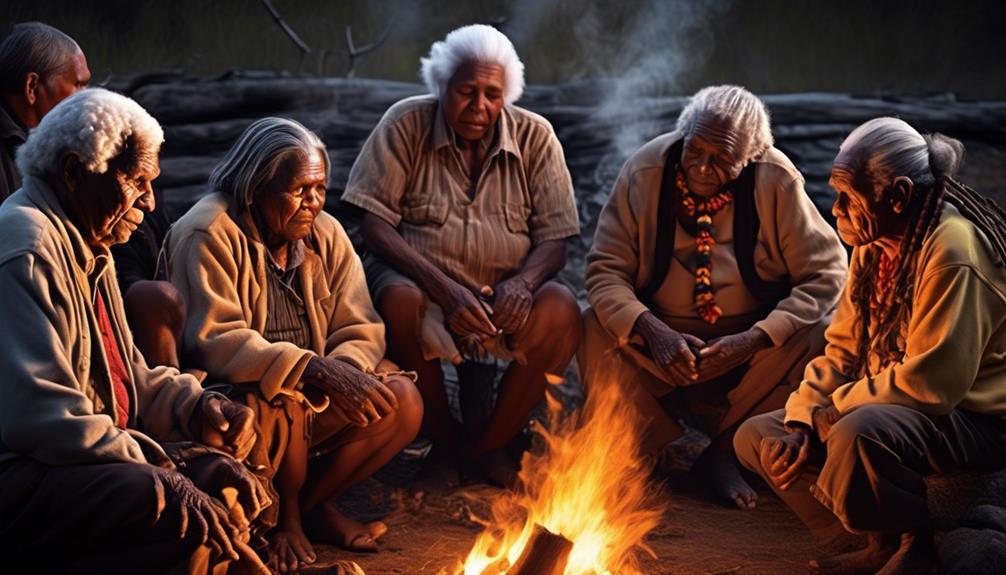
Art has long served as a powerful tool for healing, offering a way to express emotions that words often cannot capture. For Aboriginal artists, this connection runs deep, serving not only as personal catharsis but also as a means to strengthen cultural resilience. When you engage with their work, you’re witnessing more than just visual pieces; you’re experiencing stories rooted in history, tradition, and survival. These artworks become a testament to endurance, reminding you that even in the face of adversity, cultural identity persists. Through their creations, Aboriginal artists reclaim narratives that colonialism and displacement once threatened to erase, turning art into a form of resistance and renewal.
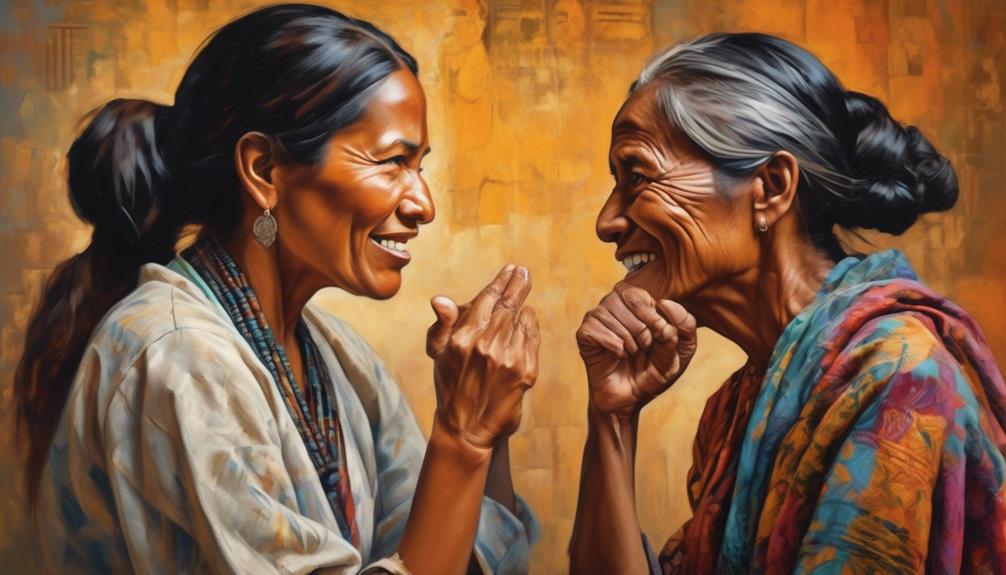
Art as healing and resilience: Aboriginal stories of endurance, tradition, and cultural renewal through powerful creative expression.
Community engagement plays a critical role in this healing process. When you participate in exhibitions, workshops, or cultural events led by Aboriginal artists, you’re actively supporting a movement that fosters collective well-being. It’s not just about appreciating artwork from afar; it’s about becoming part of a dialogue that values Indigenous voices and stories. This engagement helps bridge cultural gaps, allowing you to see the world through different lenses and to understand the significance of art as a communal act. By sharing their stories through art, Aboriginal artists invite you to witness their resilience firsthand, fostering empathy and respect within the community and beyond.
You’ll find that many of these artworks incorporate traditional symbols, techniques, and stories passed down through generations. This continuity sustains cultural resilience, ensuring that cultural practices survive despite historical challenges. When you view and support this art, you’re helping preserve these essential traditions, ensuring they remain alive for future generations. Furthermore, community engagement in this context isn’t passive; it becomes a shared experience that empowers Aboriginal communities and affirms their ongoing cultural relevance. Your participation can contribute to a broader movement of recognition and reconciliation, making you a part of a crucial process that promotes healing on multiple levels.
In essence, Aboriginal art serves as a living archive of resilience and community strength. It’s a powerful reminder that storytelling through art isn’t just about personal expression—it’s about collective survival and cultural revival. Your involvement in appreciating and supporting this art helps sustain the vibrant cultural fabric of Aboriginal communities, fostering understanding and healing. When you look at these works, remember they’re more than images—they’re stories of perseverance, community engagement, and the unbreakable spirit of cultural resilience. An understanding of color accuracy and its importance in visual storytelling enhances appreciation for their detailed and meaningful work. Through your support, you become an active participant in honoring and preserving these essential stories, helping to ensure their enduring legacy.

A Painting of an Aboriginal Dot Art Pattern with Trees and Circles Canvas Prints Bedroom Bathroom Wall Art Office Wall Picture Print Canvas Poster Wall Paint Art Posters Decor Modern 12x16inch Frameless
【Premium Quality and Durability】Crafted from high-quality canvas, this Canvas Wall Art resists fading and damage, ensuring vibrant colors…
As an affiliate, we earn on qualifying purchases.
As an affiliate, we earn on qualifying purchases.
Frequently Asked Questions
How Do Aboriginal Artists Choose Their Storytelling Mediums?
You choose your storytelling mediums based on their cultural significance and how well they allow your artistic expression. Traditional methods like painting, dance, or storytelling are often rooted in your community’s history and spiritual beliefs. You consider what best conveys your story’s message, respecting cultural protocols. Your decision reflects your connection to your heritage, ensuring your art remains authentic and meaningful while sharing your stories with others.
What Challenges Do Aboriginal Artists Face in Sharing Their Stories?
You face challenges sharing stories, caught between cultural preservation and contemporary expression. While you endeavor to honor traditions, modern platforms demand innovation, risking misrepresentation. Limited access to resources and recognition can hinder your voice, and societal misunderstandings may overshadow your message. Yet, through resilience, you find ways to bridge worlds, ensuring your stories remain vibrant and authentic, fostering connection and understanding across generations and communities.
How Does Art Impact Healing Within Aboriginal Communities?
You see, art plays a crucial role in healing within Aboriginal communities by fostering cultural resilience and facilitating emotional expression. When you engage in creating or appreciating art, you help preserve traditions, reconnect with your roots, and share stories that heal emotional wounds. This process strengthens community bonds and provides a safe space for expressing feelings, ultimately supporting collective and individual healing through the powerful language of art.
Are There Specific Symbols Unique to Different Aboriginal Groups?
You’ll notice that different Aboriginal groups have unique symbols, like swirling patterns or animal figures, embedded in their art. These traditional motifs and cultural symbolism serve as visual stories, connecting communities to their land and ancestors. Imagine vibrant ochre dots or intricate cross-hatching that carry deep meanings, helping individuals heal by preserving their identity. These symbols aren’t just art; they’re powerful stories etched into the fabric of each community’s cultural heritage.
How Can Non-Indigenous People Support Aboriginal Storytelling Through Art?
You can support Aboriginal storytelling through art by actively engaging with their cultural expressions and promoting cultural preservation. Attend exhibitions, buy authentic artwork, and share their stories on social media to raise awareness. Respect their traditions and seek opportunities to collaborate with communities, fostering meaningful connections. Your involvement helps sustain their cultural heritage, empowering Aboriginal artists and encouraging community engagement, ensuring their stories continue to be shared and celebrated across generations.

In Light and Shadow: A Photographic History from Indigenous America
As an affiliate, we earn on qualifying purchases.
As an affiliate, we earn on qualifying purchases.
Conclusion
As you step back and reflect on these powerful stories, you realize that art acts as a bridge, connecting wounds to healing like a gentle river carving its path through rock. Aboriginal artists use their creations not just to tell stories, but to mend hearts and strengthen communities. Their work proves that through art, the scars of the past can bloom into vibrant flowers of resilience, reminding us that healing is always within reach if we dare to listen and share.

Painted Anarchy Contemporary Aboriginal Wall Decoration – Aborginal, Traditional Symbols, Aboriginal Art, Home Decoration, 18" x 12"
Available in multiple size options to perfectly fit your wall space.
As an affiliate, we earn on qualifying purchases.
As an affiliate, we earn on qualifying purchases.

WorldBazzar Hand Carved Wooden SEA Turtle Aboriginal DOT Art Wall Sculpture Plaque
Absolutely Beautiful Piece of Art
As an affiliate, we earn on qualifying purchases.
As an affiliate, we earn on qualifying purchases.