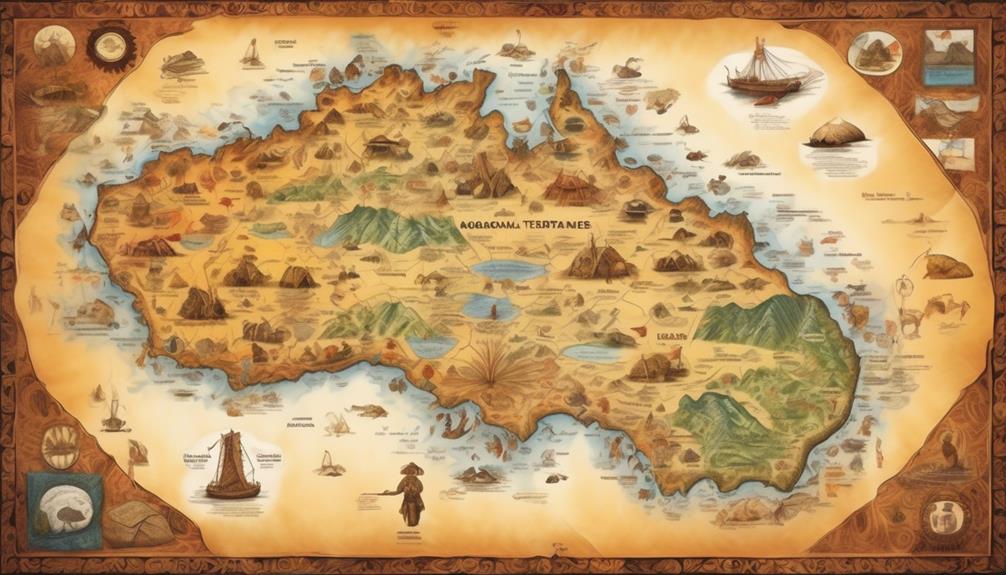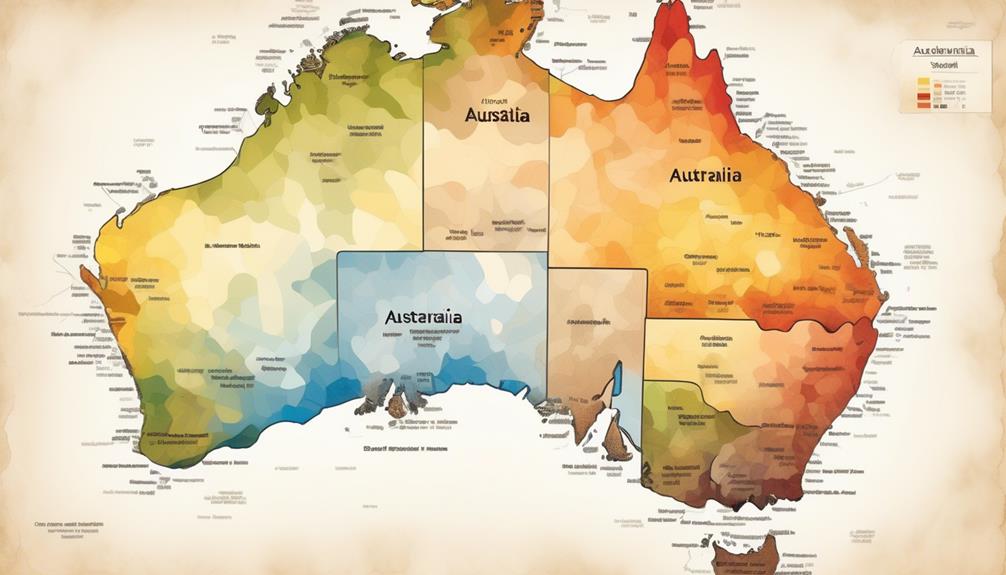

The Mabo case profoundly changed Australia’s legal landscape by recognizing Indigenous Australians’ ongoing connection to their land through native title, challenging the old myth of terra nullius. You learn that the High Court acknowledged native title as a real legal concept, paving the way for Indigenous land rights and greater respect for their sovereignty. This decision sparked new laws and feelings of reconciliation. If you keep exploring, you’ll discover how this case continues to influence Australian society today.
Key Takeaways
- The Mabo case invalidated terra nullius, recognizing Indigenous peoples’ ongoing land rights and sovereignty.
- The High Court acknowledged that native title can coexist with other land interests if proven continuous.
- The decision led to the enactment of the Native Title Act 1993, establishing a legal framework for Indigenous land claims.
- Mabo fundamentally transformed Australian land laws, promoting greater recognition of Indigenous connections to land.
- The case significantly influenced reconciliation efforts, empowering Indigenous communities and shaping Australia’s legal landscape.

Have you ever wondered how the landmark Mabo decision transformed native land rights in Australia? This pivotal case marked a turning point in recognizing Indigenous sovereignty, challenging long-held legal notions about land ownership. Before Mabo, Australian law operated under the doctrine of terra nullius, which falsely claimed that the land was empty before European settlement. This legal myth erased the existence of Indigenous peoples’ connection to their land and dismissed their sovereignty. But the Mabo case changed all that, shining a spotlight on the historical and ongoing injustices faced by Aboriginal and Torres Strait Islander peoples. It became a catalyst for the land rights movement, inspiring Indigenous communities to demand recognition and restitution of their traditional lands.
The Mabo decision reshaped Indigenous land rights, ending terra nullius and recognizing Native Title in Australia.
In 1992, Eddie Mabo and his co-plaintiffs took their fight to the High Court, challenging the government’s claim that Australia was terra nullius at the time of British colonization. Their case argued that Indigenous peoples had maintained continuous spiritual and cultural ties to their land long before European arrival. The court’s decision was revolutionary: it acknowledged that native title existed and had survived colonization, fundamentally recognizing Indigenous sovereignty in a legal sense. This ruling didn’t automatically transfer land back to Indigenous communities but opened the door for future negotiations and claims. It established that native title could coexist with other land interests, provided Indigenous groups could prove continuous connection to their land. Additionally, the ruling underscored the importance of appliance testing and compatibility, as understanding the nuances of legal and cultural recognition is vital for ensuring ongoing respect and proper integration of Indigenous rights within Australia’s legal framework.
The impact of the Mabo decision reverberated beyond the courtroom. It galvanized the land rights movement across Australia, encouraging more Indigenous groups to assert their rights and seek legal recognition of their claims. It also prompted Parliament to pass the Native Title Act in 1993, creating a framework for Indigenous Australians to register and pursue native title claims. The decision challenged the legitimacy of colonial land grants and paved the way for a more just and inclusive understanding of Australia’s history. It emphasized that Indigenous sovereignty isn’t just a symbolic concept but a legal and cultural reality that must be acknowledged and respected.
Today, the legacy of Mabo continues to influence debates about land, sovereignty, and reconciliation. It reminds Australians that acknowledging Indigenous connection to land is essential for healing historical wounds and building a more equitable future. The landmark case served as a critical turning point, empowering Indigenous peoples to reclaim their land and voice, fueling ongoing efforts within the land rights movement. It’s a powerful testament to how legal recognition can serve as a foundation for justice and respect for Australia’s First Peoples.

Australian Native Title Law
As an affiliate, we earn on qualifying purchases.
As an affiliate, we earn on qualifying purchases.
Frequently Asked Questions
How Did Mabo Influence Current Native Title Laws?
Mabo substantially influenced current native title laws by securing legal recognition for Indigenous land rights, which had previously been denied. You now see stronger protections that help preserve cultural heritage and traditions. This landmark case shifted the legal landscape, empowering Indigenous communities to assert their connection to land and enabling them to maintain cultural practices. As a result, native title laws now better support cultural preservation and acknowledge Indigenous Australians’ enduring ties to their land.
What Challenges Remain in Implementing Native Title Rights?
Did you know that only about 40% of native title claims are fully recognized? You face ongoing challenges with land rights and legal recognition, as many Indigenous communities struggle to prove continuous connection to their land or navigate complex legal processes. Securing native title rights requires overcoming bureaucratic hurdles and ensuring fair representation, making it difficult for all groups to achieve full recognition and control over their traditional lands.
Are There Cases Similar to Mabo Today?
Yes, there are cases today that focus on cultural recognition and land restitution, similar to Mabo. You might see disputes over land rights where Indigenous communities seek acknowledgment of their cultural ties and rightful ownership. These cases often aim to restore land and respect cultural heritage, reflecting ongoing efforts to address historical injustices. Through these legal actions, you can witness continued progress toward Native Title recognition and meaningful cultural acknowledgment.
How Does Native Title Impact Land Development Projects?
Native title can substantially impact your land development projects by protecting cultural heritage and securing land access for Indigenous communities. For example, if you plan a mine near traditional lands, native title claims might delay or alter your project to respect cultural sites. You’ll need to negotiate with Indigenous groups, ensuring their rights are acknowledged. This process encourages respectful development, but it also requires flexibility and thorough consultation to avoid conflicts.
What Role Do Indigenous Communities Play Post-Mabo?
You play a crucial role in post-Mabo efforts by actively engaging in cultural preservation and land rights activism. Indigenous communities assert their land rights, protect their heritage, and influence land use decisions. Your involvement helps guarantee their voices are heard, fostering respectful negotiations with developers and policymakers. By championing their land rights, you support a future where Indigenous cultures thrive and their connection to the land remains strong.

Land Back Indigenous Rights Floral Native American LandBack T-Shirt
For our Native folx. Black Lives Matter Ally for Allies to BLM. Anyone who supports the black lives…
As an affiliate, we earn on qualifying purchases.
As an affiliate, we earn on qualifying purchases.
Conclusion
Imagine the legal landscape as a vast, uncharted ocean. The Mabo decision is like a sturdy ship that finally uncovers hidden islands—native titles—that were long ignored. Now, you’re sailing toward a new horizon where Indigenous rights are recognized and respected. As you navigate this changing sea, remember that each wave of progress brings us closer to a fairer world. With Mabo as your compass, you steer toward justice and reconciliation.

Siveit CD Case, 40 Capacity CD/DVD Case Holders Wallet Hard Plastic DVD Disc Cases Storage Binder for Car Home Office Travel (Black)
Large Capacity: Siveit CD case can store 40 CDs/DVDs and keep them well organized, saving you more space….
As an affiliate, we earn on qualifying purchases.
As an affiliate, we earn on qualifying purchases.
Native Title Act 1993 legal guide
As an affiliate, we earn on qualifying purchases.
As an affiliate, we earn on qualifying purchases.