
TL;DR

Prime made for students and young adults
- Fast, free delivery for dorm and study essentials
- Prime Video and Amazon Music included
- Member-only deals
Wildfire smoke is causing unhealthy air quality across Minnesota. Authorities warn residents to take precautions as smoke levels rise and air quality deteriorates.
Wildfire smoke from regional fires is spreading into Minnesota, causing air quality levels to reach unhealthy ranges, according to state environmental agencies. This development poses health risks, especially for vulnerable populations, and has prompted officials to issue advisories for residents to limit outdoor activities.
State health authorities confirmed that air quality measurements across multiple Minnesota counties have fallen into the ‘unhealthy’ category, driven by smoke from wildfires burning nearby in regions such as North Dakota and Canada. The Minnesota Pollution Control Agency (MPCA) reported that particulate matter (PM2.5) levels have surged, exceeding safe thresholds established by the Environmental Protection Agency (EPA).
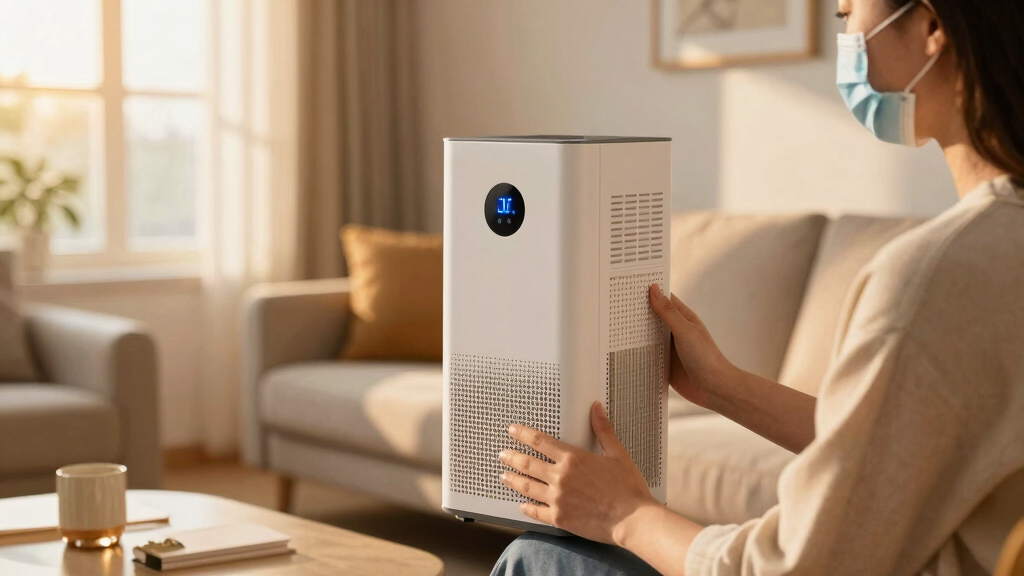
Officials warn that prolonged exposure to such air can cause respiratory issues, exacerbate asthma, and pose risks for children, the elderly, and those with pre-existing health conditions. The MPCA has issued air quality alerts for several counties, urging residents to stay indoors, reduce outdoor exertion, and use air purifiers if available.
Forecasts indicate that the smoke and poor air quality are expected to persist through the coming days, as wind patterns continue to carry smoke into the region. The Minnesota Department of Health has also advised residents to monitor air quality updates and heed local health guidance.
Impacts on Public Health and Local Response
This situation underscores the immediate health risks posed by wildfire smoke, which can lead to respiratory distress and other health problems, especially among vulnerable groups. The widespread nature of the smoke spread highlights the importance of public health advisories and preparedness. It also signals potential challenges for local healthcare services if conditions worsen or persist for extended periods.
As an affiliate, we earn on qualifying purchases.
Regional Wildfires and Air Quality Trends
Wildfires in North Dakota, Canada, and nearby regions have been burning for weeks, with some fires still active due to dry conditions and high winds. The smoke from these fires has historically traveled southward into Minnesota during this season, but recent weather patterns have intensified the spread. Previous years have seen similar episodes, but the current levels of particulate matter are among the highest recorded this season, according to the MPCA.
Environmental experts note that climate conditions, including drought and heat, are contributing to increased wildfire activity, which in turn influences air quality across multiple states. The last major wildfire smoke event in Minnesota occurred in 2020, but current levels are more widespread and persistent.
“We are seeing air quality levels reach unhealthy ranges across several counties, and residents should take precautions to protect their health.”
— Lisa Johnson, MPCA spokesperson
Duration and Future Air Quality Conditions
It is not yet clear how long the unhealthy air quality will persist, as it depends on wildfire activity, weather patterns, and wind directions. Forecasts suggest conditions may improve within a few days if weather patterns change, but persistent fires could prolong the situation. Authorities continue to monitor the situation and will update the public as more information becomes available.
Monitoring, Public Advisories, and Response Efforts
Officials will continue to track air quality levels daily and issue alerts as needed. Residents are advised to stay informed through local health and environmental agencies, follow safety guidelines, and prepare for potential extended periods of poor air quality. Emergency services are on standby to assist vulnerable populations if health issues increase.
Key Questions
How do I know if the air quality is unsafe for me?
Check local air quality reports from the Minnesota Pollution Control Agency or the EPA. If levels are in the ‘unhealthy’ range, residents should limit outdoor activities and stay indoors.
What health symptoms should I watch for during poor air quality?
Watch for coughing, throat irritation, shortness of breath, or worsening asthma symptoms. Seek medical attention if symptoms become severe.
How long will the smoke impact Minnesota?
The duration depends on wildfire activity and weather conditions. Current forecasts suggest several days, but this may change as conditions evolve.
Are there any protective measures I can take at home?
Use air purifiers with HEPA filters, keep windows and doors closed, and avoid outdoor exertion. Wearing masks is also recommended if you must go outside.
Source: google-trends
Fall Picks
fall essentials
As an affiliate, we earn on qualifying purchases.