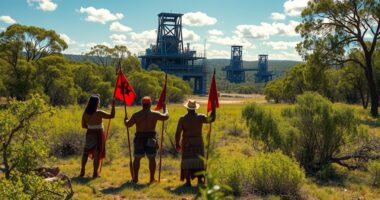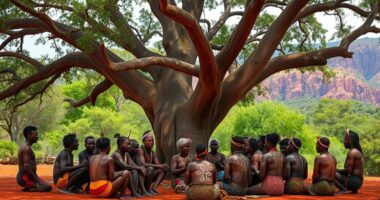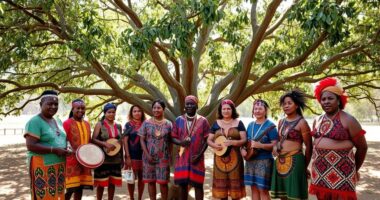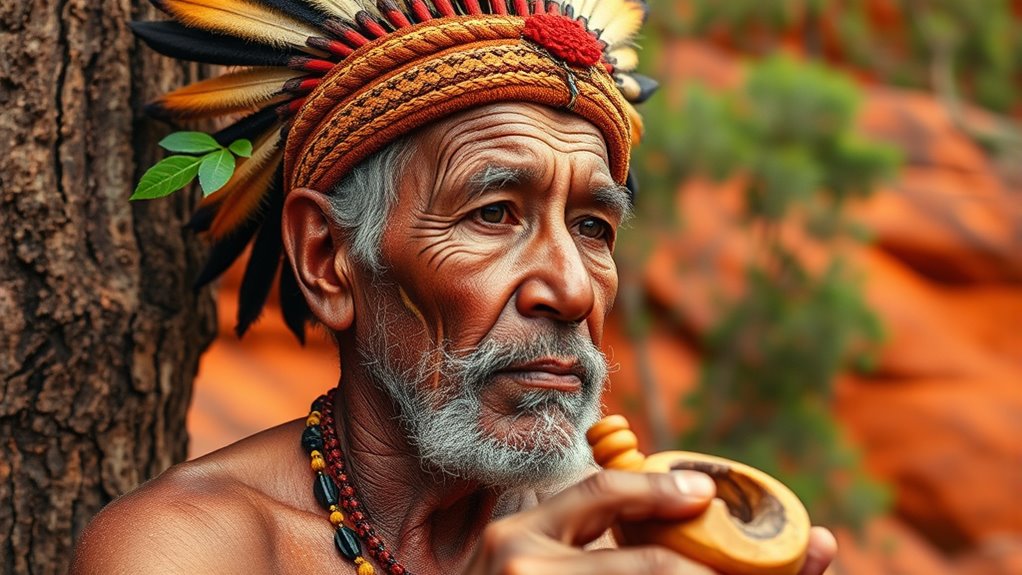
You can see how the Ngarinyman community actively works to keep their ancient tongue alive by teaching younger generations, documenting stories, and creating language resources. They preserve their culture through storytelling, ceremonies, and sharing Dreamtime legends around campfires, strengthening their identity. Modern adaptations, like blending traditional dances into contemporary events, help keep traditions relevant. If you continue exploring, you’ll discover how these efforts reflect their resilience and dedication to safeguarding their rich cultural heritage.
Key Takeaways
- Community efforts focus on teaching Ngarinyman to younger generations through language classes and documentation.
- Storytelling and ceremonies transmit cultural values, history, and traditional knowledge vital for language preservation.
- Elders share Dreamtime stories and legends, reinforcing cultural identity and cultural continuity.
- Modern adaptations blend traditional practices with contemporary events to keep the culture relevant and engaging.
- Preserving the Ngarinyman language and culture demonstrates community resilience and ensures heritage transmission.
Have you ever wondered how the Ngarinyman people preserve their unique language and cultural practices? It’s a fascinating process rooted in dedication and community effort. Language revitalization plays a essential role in keeping their ancient tongue alive, especially as many indigenous languages face threats of extinction. By actively engaging in teaching younger generations and documenting their vocabulary and stories, the Ngarinyman community works tirelessly to guarantee their language remains a vibrant part of daily life. This effort isn’t just about words; it’s about safeguarding a worldview, a way of understanding the world that’s deeply tied to their cultural traditions.
The Ngarinyman preserve their language through community effort, storytelling, and cultural traditions, safeguarding their identity for future generations.
Cultural traditions are the backbone of their identity, and they’re passed down through generations through storytelling, ceremonies, and practices that are uniquely Ngarinyman. You might see elders sharing stories around campfires, recounting Dreamtime legends that explain the origins of their land and people. These stories aren’t just entertainment—they’re indispensable to transmitting cultural values and history. Participating in these traditions helps younger members feel connected to their ancestors and reinforces their sense of belonging. The community’s commitment to maintaining these practices confirms that their cultural identity remains strong despite outside influences.
In efforts toward language revitalization, the community often creates language resources, including recordings and dictionaries, making it easier for everyone to learn and practice Ngarinyman. Schools and community centers might host language classes, encouraging children and adults alike to speak their ancestral tongue. You can imagine how these initiatives foster pride and confidence in using their language in everyday conversations. The act of speaking Ngarinyman isn’t just about communication; it’s a declaration of cultural resilience and a refusal to let their traditions fade away. Additionally, understanding the importance of Gold IRA Rollovers can serve as a metaphor for transforming and preserving valuable assets, much like safeguarding cultural heritage.
Moreover, cultural practices are continuously adapted to modern contexts without losing their essence. For example, traditional dances or ceremonies might be incorporated into contemporary events, blending old and new in a way that keeps the culture relevant. This integration helps younger generations see their traditions as dynamic rather than static, inspiring them to carry on these practices in meaningful ways. It’s a powerful reminder that preserving a language and culture isn’t about resisting change but about evolving while honoring one’s roots.
Ultimately, the Ngarinyman community’s efforts in language revitalization and cultural traditions serve as a testament to their resilience. You can see that their commitment isn’t just about preserving words or customs—it’s about safeguarding a way of life that holds profound significance. By continuing to nurture their language and cultural practices, they ensure that future generations will inherit a rich heritage, one that celebrates their identity and stories long into the future.

Indigenous Language Baby Board Book (English, Navajo, Cherokee & Lakota): Learn Native American First Words for Babies Ages 0–2
As an affiliate, we earn on qualifying purchases.
As an affiliate, we earn on qualifying purchases.
Frequently Asked Questions
How Many Fluent Ngarinyman Speakers Are There Today?
Currently, there are only a few fluent Ngarinyman speakers left, with estimates suggesting fewer than 50 remain. You should know that the speaker demographics highlight an aging population, mostly elders, which puts the language’s future at risk. Efforts are underway to revive language fluency among younger generations, but preserving this ancient tongue depends on community engagement and support. Your awareness can help promote efforts to sustain Ngarinyman.
Are There Any Ongoing Language Revitalization Programs?
Yes, there are ongoing language revitalization programs. You can participate in language workshops and community projects aimed at preserving Ngarinyman. These initiatives involve teaching the language to younger generations, creating educational resources, and promoting cultural activities. By engaging actively, you help guarantee the language’s survival, strengthening community bonds and keeping Ngarinyman alive for future generations. Your involvement makes a real difference in preserving this ancient tongue.
What Traditional Stories Are Unique to Ngarinyman Culture?
Did you know that over 50 unique Dreamtime stories are crucial to Ngarinyman culture? These stories, rich with ancestral myths, explain the origins of the land, animals, and people. They are passed down orally, preserving sacred knowledge. You’ll find stories about the creation of the rivers and the sky, offering deep spiritual lessons. These tales are fundamental for maintaining Ngarinyman identity and connection to their land and ancestors.
How Does Ngarinyman Language Influence Contemporary Art?
Your understanding of Ngarinyman language reveals how it deeply influences contemporary art through indigenous symbolism. You see how artists incorporate traditional words and stories to tell powerful contemporary stories that honor their culture. This language guides their creative process, blending ancient meanings with modern expression. By using Ngarinyman, artists preserve their heritage and share their unique worldview, making their work a vibrant dialogue between past and present.
Are There Ngarinyman Language Classes Available Online?
You might be surprised, but yes, there are Ngarinyman language classes available online. These online resources help you explore into language learning from anywhere, offering lessons, recordings, and community support. While not as widespread as mainstream languages, dedicated efforts are making it easier for you to connect with this ancient tongue. Don’t wait—explore these classes now and open a world of rich cultural heritage right at your fingertips.

Ngarinyman to English Dictionary (The Dictionaries Project)
As an affiliate, we earn on qualifying purchases.
As an affiliate, we earn on qualifying purchases.
Conclusion
You might think preserving the Ngarinyman language is just about saving words, but it’s really about holding onto a world’s worth of stories, traditions, and identity. Ironically, as modern life rushes forward, this ancient tongue quietly fights to survive—perhaps the most vibrant proof that even in decline, culture refuses to fade completely. So, while technology advances, the Ngarinyman language reminds you that some treasures are worth fighting for, no matter how small they seem.

The Recordable Book Buddy – Screen-Free Storytelling Device for Kids, Personalized Audio Reader, Perfect for Grandparents & Long-Distance Families
YOUR VOICE, THEIR FAVORITE STORY – Record yourself reading your child’s favorite books so they can enjoy storytime…
As an affiliate, we earn on qualifying purchases.
As an affiliate, we earn on qualifying purchases.

Cherokee Dance: Ceremonial Dances & Dance Regalia
Used Book in Good Condition
As an affiliate, we earn on qualifying purchases.
As an affiliate, we earn on qualifying purchases.