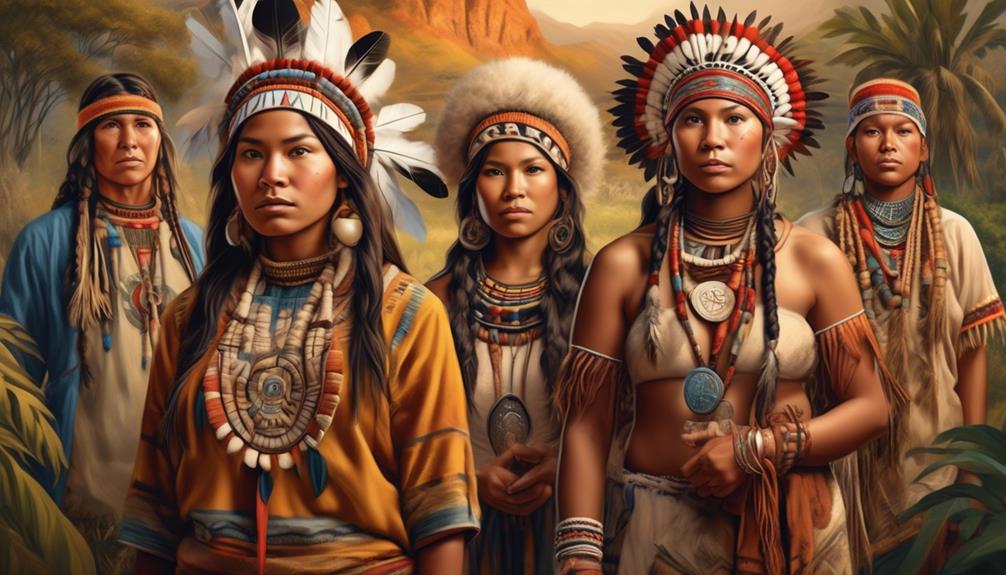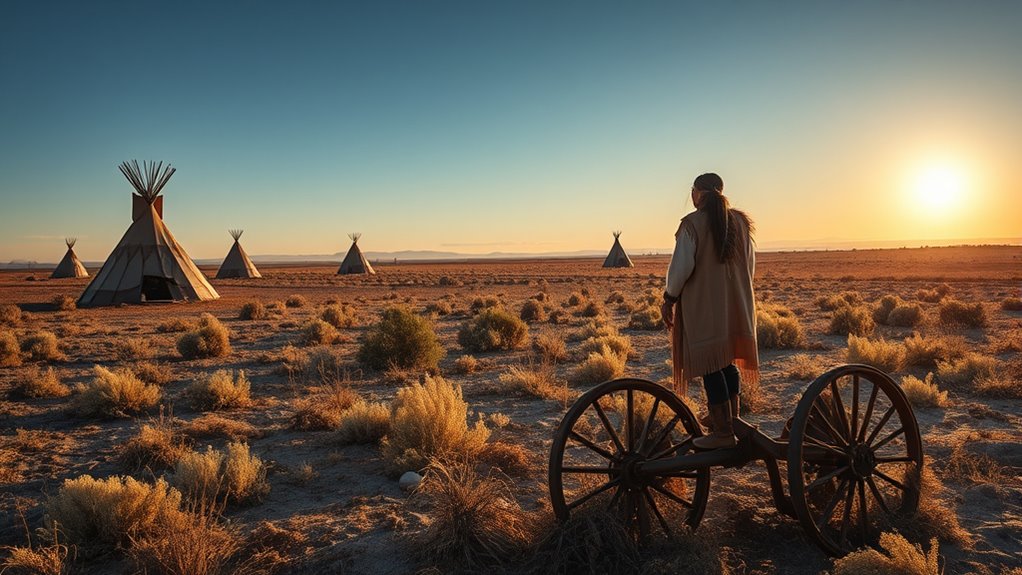

The Dawes Act caused significant harm to Indigenous communities by forcing the allotment of tribal lands into individual parcels, leading to widespread land loss and fragmentation. This weakened tribal sovereignty, disrupted traditional practices, and eroded cultural identities, as communal landholding was replaced with individual ownership. It also promoted assimilation efforts that suppressed languages, customs, and social structures. These policies have long-lasting effects that continue to impact Indigenous peoples today, and understanding these consequences can reveal how such policies shaped their present realities.
Key Takeaways
- The Dawes Act led to the fragmentation and loss of tribal lands, undermining Indigenous sovereignty and economic stability.
- It promoted individual landownership, eroding communal land practices central to Indigenous cultures.
- The Act facilitated large-scale land transfers to non-Indigenous settlers, reducing Indigenous landholdings.
- It contributed to cultural suppression through forced assimilation, including boarding schools and language loss.
- Long-term effects include persistent land dispossession, cultural erosion, and weakened community cohesion among Indigenous peoples.

The Dawes Act of 1887 profoundly transformed Indigenous communities by promoting the allotment of tribal lands into individual parcels. While the goal was to encourage farming and assimilation, the reality was far more destructive. You might not realize it, but this law led to widespread land dispossession, stripping Indigenous peoples of their ancestral territories. Instead of preserving communal landholdings, it fragmented them into smaller, individually owned plots, often insufficient for sustainable farming. This process opened the door for non-Indigenous settlers to acquire large portions of land, further diminishing Indigenous control. As a result, tribes lost significant portions of their land base, weakening their economic and cultural foundations.
Beyond land loss, the impact of the Dawes Act extended deep into the cultural fabric of Indigenous communities. You could see it as an effort to force assimilation, but it also caused profound cultural erosion. As tribal lands were parceled out and individualized, traditional practices tied to communal landownership and collective identity were undermined. Elders and community leaders saw their authority diminish as the government promoted individual land ownership over traditional communal stewardship. Children were encouraged or coerced into attending boarding schools, where they were forbidden to speak their languages or practice their customs. These measures aimed to erase Indigenous identities and replace them with Euro-American norms, but they resulted in a loss of cultural knowledge, language, and spiritual practices that had sustained communities for generations.
The disruption didn’t stop there. You might notice that with land dispossession and cultural erosion, Indigenous communities faced economic hardship and social disintegration. Many lost their ability to sustain traditional livelihoods like hunting, fishing, and gathering, which were deeply tied to their lands. The erosion of cultural practices further weakened community cohesion, leading to increased poverty and marginalization. The law’s legacy is a testament to how policies driven by assimilation goals can devastate Indigenous societies, stripping away their sovereignty and cultural identity. Today, many tribes continue to grapple with the long-lasting effects of land loss and cultural erosion caused by the Dawes Act, endeavoring to reclaim their heritage and restore their land rights.
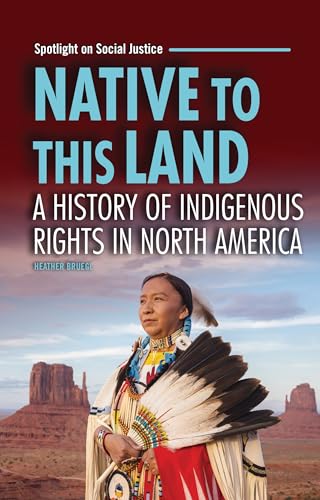
Native to This Land: A History of Indigenous Rights in North America (Spotlight on Social Justice)
As an affiliate, we earn on qualifying purchases.
As an affiliate, we earn on qualifying purchases.
Frequently Asked Questions
How Did the Dawes Act Influence Native American Cultural Practices?
The Dawes Act profoundly influenced your cultural practices by causing cultural erosion and spiritual disruption. It pushed you to adopt Western ways, undermining traditional ceremonies and communal bonds. Land allotments and forced assimilation aimed to erase your cultural identity, making it harder to practice your spirituality and preserve customs. This policy disrupted your community’s way of life, weakening the cultural foundation that once thrived through collective traditions and spiritual practices.
Were There Any Positive Outcomes for Indigenous Communities From the Dawes Act?
You might see some positive outcomes from the Dawes Act, such as encouraging individual land ownership, which could help some tribes regain tribal sovereignty by fostering self-sufficiency. Additionally, efforts toward cultural preservation emerged as tribes sought to maintain their identity amid pressures to assimilate. While these benefits were limited and often outweighed by negative effects, they provided a foundation for future Native American activism and resilience.
How Did the Dawes Act Affect Native American Land Ownership Long-Term?
The Dawes Act led to long-term land privatization, breaking up tribal lands and encouraging individual ownership. As a result, you’d see less land held collectively by tribes, which caused tribal disintegration. Many Native Americans lost significant portions of their land because of forced sales or unfair policies. Over time, this fragmented landholdings, weakening tribal sovereignty and eroding the cultural and social cohesion of Indigenous communities.
What Modern Policies Have Been Influenced by the Dawes Act?
You see, modern policies like land privatization and efforts to restore tribal sovereignty are directly influenced by the Dawes Act. It pushed for individual land ownership, weakening tribal authority. Today, policies aim to reverse that, promoting tribal self-governance and protecting communal lands. This legacy continues to shape how Native communities regain control over their lands and strengthen their sovereignty in the face of historical injustices.
How Did Indigenous Communities Resist or Oppose the Dawes Act?
Imagine a scene in an old telegram office—you’d see Native resistance and legal challenges unfolding against the Dawes Act’s forced allotments. You might have joined protests, refused to sign treaties, or supported tribal sovereignty efforts. Indigenous communities opposed the act through court cases, preserving their land rights, and rallying political support. Your ancestors fought to protect their culture, land, and identity from this government policy’s destructive impact.

First Peoples: A Documentary Survey of American Indian History
As an affiliate, we earn on qualifying purchases.
As an affiliate, we earn on qualifying purchases.
Conclusion
Understanding the Dawes Act’s impact helps you see how it tore communities apart, forcing Indigenous people to relinquish their land and culture. Imagine a family losing their ancestral land and watching traditions fade—this shows how policies can deeply affect lives. By learning this history, you recognize the importance of respecting Indigenous rights today. Protecting cultural heritage ensures future generations can thrive without repeating past injustices.
Cultural preservation kits for Indigenous communities
As an affiliate, we earn on qualifying purchases.
As an affiliate, we earn on qualifying purchases.

Indian Sign Language (Native American)
As an affiliate, we earn on qualifying purchases.
As an affiliate, we earn on qualifying purchases.