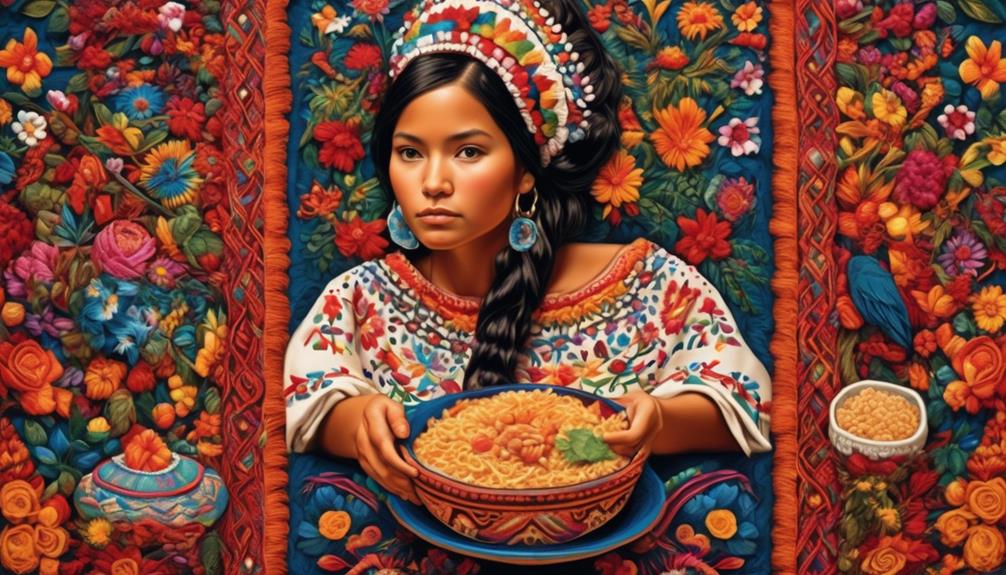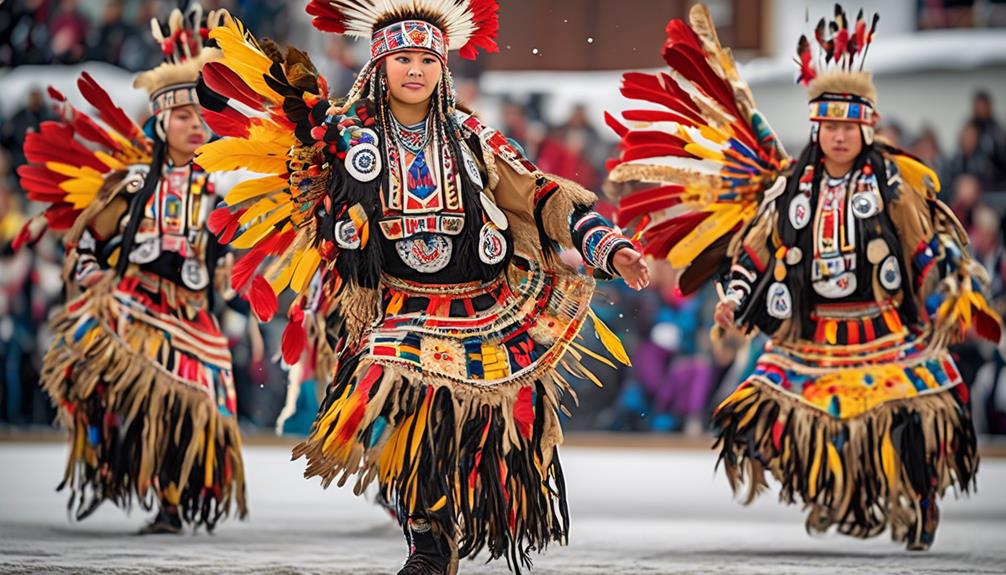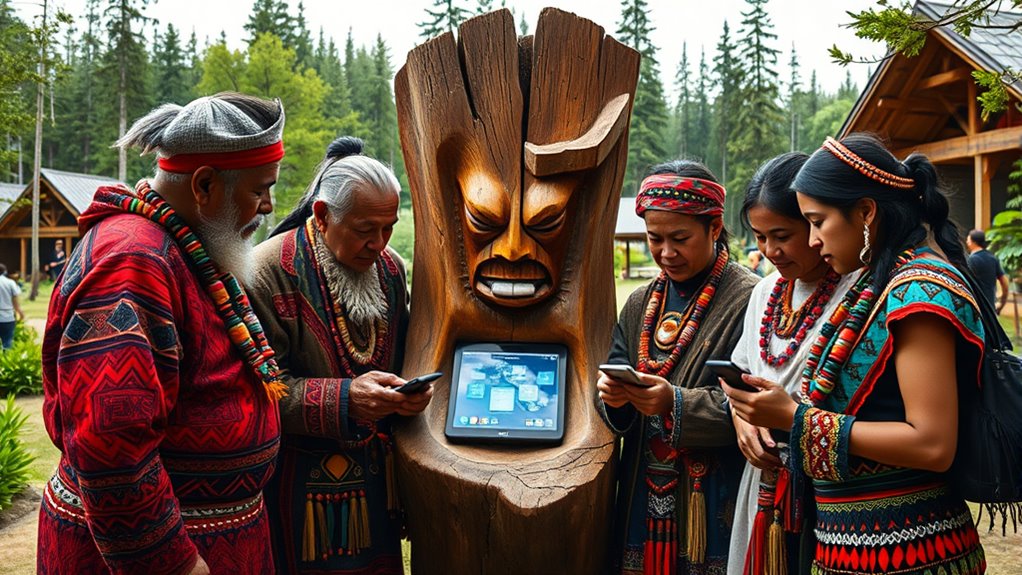

Data sovereignty lets Indigenous communities control their cultural knowledge online, protecting their rights in the digital world. It empowers you to manage how stories, languages, and traditions are shared, ensuring your cultural values aren’t misused or misrepresented. By establishing governance frameworks that respect your customs and consent, you maintain cultural integrity and self-determination. Continuing further reveals how these practices help preserve your cultural sovereignty and foster a respectful digital environment for future generations.
Key Takeaways
- Indigenous data sovereignty ensures communities control the collection, use, and sharing of their cultural data online.
- Implementing governance frameworks aligned with Indigenous laws protects cultural integrity and prevents misuse.
- Digital autonomy empowers Indigenous communities to maintain cultural identity and prevent exploitation of their knowledge.
- Respecting cultural protocols in data management safeguards sovereignty and promotes trust in digital spaces.
- Supporting Indigenous data rights fosters self-determination and equitable participation in the digital age.
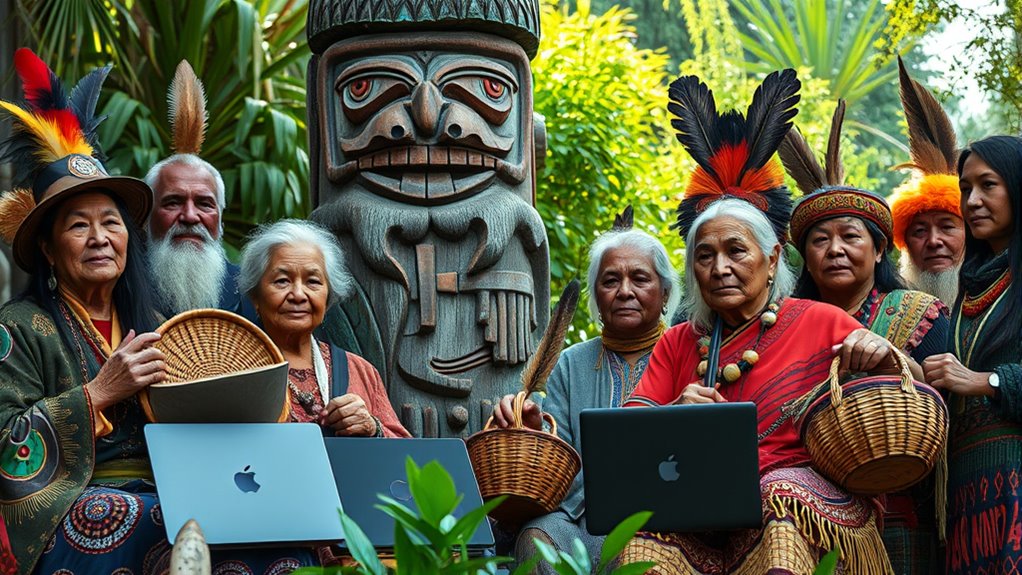
Have you ever wondered where your data truly resides and who controls it? In today’s digital world, understanding digital autonomy is essential, especially when it comes to Indigenous communities. These groups are increasingly aware of how their cultural data—stories, traditions, languages—are stored, shared, and used online. Indigenous data management isn’t just about safeguarding personal information; it’s about protecting their cultural sovereignty and ensuring that their knowledge isn’t exploited or misrepresented. As a result, many Indigenous communities are taking steps to regain control over their digital presence, emphasizing the importance of data sovereignty and the need to establish clear boundaries around their digital assets.
Digital autonomy empowers Indigenous peoples to decide how their data is collected, stored, and used. It means that they are no longer passive recipients of external data policies but active participants in shaping their digital futures. This control allows them to set rules for their data, ensuring that it aligns with their cultural values and aspirations. For example, Indigenous communities might establish policies that restrict access to sensitive cultural information or require that data be stored within their own territories or under their governance. This approach helps prevent misuse or misappropriation and supports the preservation of their cultural integrity online.
Indigenous communities shape their digital futures by controlling data access and aligning it with cultural values.
Effective Indigenous data management is central to achieving digital autonomy. It involves creating systems that respect Indigenous laws, customs, and consent processes. Many communities are developing their own data governance frameworks, which outline how data can be collected, shared, and protected. These frameworks often emphasize the importance of transparency and community participation, ensuring that Indigenous voices lead decision-making processes. By doing so, Indigenous peoples can better control their digital identities and cultural expressions, preventing external entities from appropriating or distorting their heritage. Incorporating cultural protocols into data governance further strengthens their sovereignty and ensures respect for traditional knowledge.
Furthermore, prioritizing Indigenous data management helps reinforce their right to self-determination in the digital sphere. It encourages collaborations where Indigenous communities retain ownership of their data, rather than surrendering it to corporations or governments that might not have their best interests at heart. This approach fosters trust and respect, laying the groundwork for digital spaces that honor Indigenous cultural rights. In essence, digital autonomy and effective data management are crucial tools for Indigenous communities to protect their cultural sovereignty online, ensuring their stories and traditions are preserved and shared on their own terms.
In a world where data can both empower and threaten, understanding and advocating for Indigenous data management is more important than ever. It’s about giving Indigenous peoples control over their digital lives, safeguarding their cultural rights, and shaping a future where their voices are heard and respected in the digital age.

The Cutting-Off Way: Indigenous Warfare in Eastern North America, 1500–1800
As an affiliate, we earn on qualifying purchases.
As an affiliate, we earn on qualifying purchases.
Frequently Asked Questions
How Can Indigenous Communities Enforce Data Sovereignty Laws Internationally?
You can uphold data sovereignty laws internationally by advocating for stronger cross border enforcement mechanisms and collaborating with global organizations. As a cultural data custodian, you should push for clear legal frameworks that respect Indigenous rights and establish enforceable standards. Building alliances with international bodies and sharing best practices helps ensure Indigenous communities maintain control over their cultural data, even across borders. Active engagement and advocacy are key to safeguarding your cultural data rights worldwide.
What Are the Main Challenges in Implementing Data Sovereignty for Indigenous Groups?
You face challenges in implementing data sovereignty for indigenous groups because enforcing sovereignty enforcement across borders is complex, often hindered by differing legal systems. Cultural preservation becomes difficult when digital data isn’t protected or controlled by indigenous communities. Limited resources and awareness can also impede efforts, making it harder to safeguard cultural rights online. Addressing these obstacles requires international cooperation and respect for indigenous sovereignty enforcement to truly protect their cultural heritage.
How Does Data Sovereignty Impact Access to Digital Resources for Indigenous Peoples?
Imagine a gatekeeper controlling your access—data sovereignty acts as that guardian for indigenous peoples, shaping digital access and cultural preservation. It guarantees you retain control over your cultural resources online, empowering you to access essential digital tools while protecting your heritage. By asserting sovereignty, you can preserve your traditions and knowledge, making sure your digital resources remain in your hands, fostering both cultural pride and meaningful engagement in the digital world.
Are There Existing Legal Frameworks Supporting Indigenous Data Sovereignty Globally?
Yes, there are some legal frameworks supporting indigenous data sovereignty globally. You’ll find legal recognition in various national laws and international policies that promote indigenous rights and data control. These frameworks often focus on policy development to protect indigenous cultural rights online. However, their effectiveness varies, and you should stay informed about evolving laws to guarantee your rights are safeguarded and your cultural data remains under your community’s control.
How Can Technology Be Used to Empower Indigenous Cultural Data Protection?
A picture is worth a thousand words, and technology can be your brush to protect indigenous cultural data. You can harness digital archiving to securely store and share cultural knowledge, ensuring community ownership remains intact. By empowering indigenous groups with these tools, you give them control over their data, fostering respect and safeguarding their cultural rights online. This approach makes sure their stories are preserved and respected for generations.

Indigenous Data Sovereignty: Empowering Indigenous Communities in the Digital Age
As an affiliate, we earn on qualifying purchases.
As an affiliate, we earn on qualifying purchases.
Conclusion
As you navigate the digital world, remember that data sovereignty isn’t just about regulations—it’s about respecting indigenous cultural rights. Just as land rights protect physical spaces, digital safeguards preserve identities and traditions online. Without them, cultural expressions risk vanishing into the virtual ether. So, you hold the power to champion these rights, bridging the gap between technological innovation and cultural preservation, ensuring that indigenous voices remain vibrant amid the vast, evolving digital landscape.

Cultures and Organizations: Software of the Mind, Third Edition
As an affiliate, we earn on qualifying purchases.
As an affiliate, we earn on qualifying purchases.

The Routledge Handbook of Endangered and Minority Languages (Routledge Handbooks of Language Learning in the Global Context)
As an affiliate, we earn on qualifying purchases.
As an affiliate, we earn on qualifying purchases.