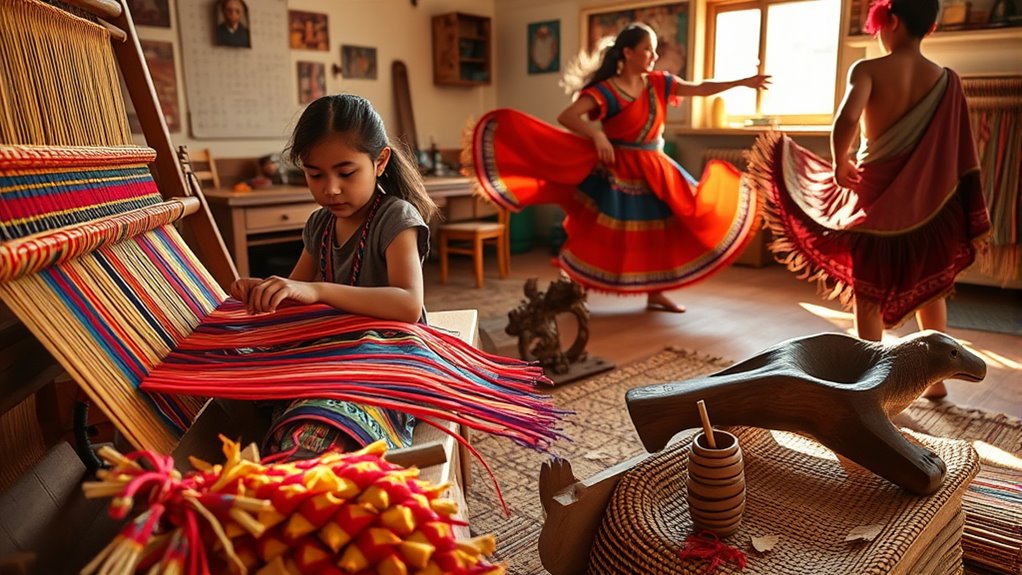

Teaching kids traditional skills like weaving, carving, and dance helps them understand and appreciate cultural diversity while keeping important traditions alive. You can share stories behind each craft, making learning engaging and meaningful. Active participation fosters respect and a sense of identity, encouraging children to connect emotionally and intellectually with their heritage. Organizing community events or family showcases offers supportive environments for skills to flourish. Keep exploring to discover more ways you can pass down these valuable traditions.

Get school and study supplies delivered free — and shop member deals
- Fast, free delivery on millions of items
- Access to Prime Big Deal Days deals on October 6–7
- Prime Video, Amazon Music and more included
Key Takeaways
- Incorporate storytelling to explain the cultural significance behind weaving, carving, and dance techniques.
- Engage children in active participation to preserve traditional skills and foster a sense of cultural identity.
- Organize community events that showcase children’s skills, reinforcing tradition and encouraging pride.
- Use hands-on activities to make learning engaging and memorable, deepening understanding of cultural practices.
- Teach the stories, history, and values associated with each craft to ensure meaningful cultural transmission.
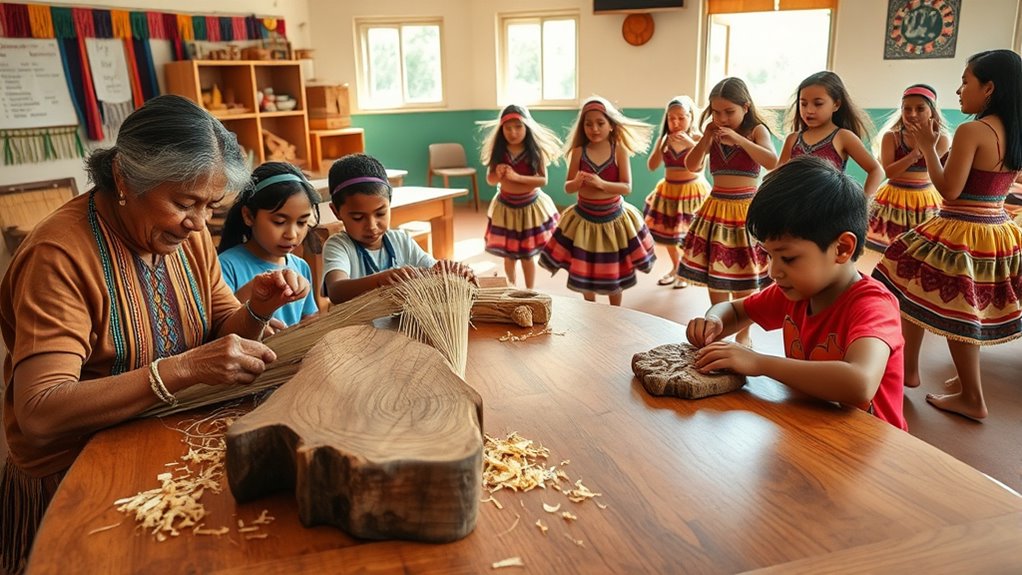
Teaching kids cultural skills is essential for helping them understand and appreciate the diversity of the world around them. When you introduce children to traditional crafts like weaving, carving, or dance, you’re not just teaching them a new activity—you’re opening a window into a culture’s history and values. One of the most effective ways to do this is through crafting storytelling, which makes the learning process engaging and meaningful. Instead of simply demonstrating a craft, you share stories behind each technique, the significance of patterns, or the history of the dance. This approach helps children connect emotionally and intellectually, making the skills more memorable and impactful.
Introducing cultural stories makes traditional crafts engaging and memorable for children.
As you guide your kids through these traditions, you’re actively participating in preserving them for future generations. When children learn to weave or carve, they’re doing more than acquiring a skill; they’re keeping alive a piece of cultural identity that might otherwise fade. Your role is to emphasize the importance of passing down these traditions, explaining how they’re woven into the fabric of community life. By doing so, you foster respect for cultural diversity and instill a sense of responsibility in your children to sustain these practices. The act of preserving traditions isn’t just about maintaining old techniques—it’s about honoring the stories, values, and identities that these practices represent. Additionally, utilizing cultural preservation methods can enhance the effectiveness of teaching these skills and ensure their longevity.
Involving children in dance or musical traditions also plays a vital role in cultural education. When you teach a traditional dance, you’re giving them a physical and emotional connection to the community’s heritage. Encourage them to ask questions and learn the stories behind each move or song. This active engagement helps deepen their understanding and nurtures curiosity. As they become more familiar with these practices, they gain confidence and develop a personal bond to their cultural roots.
You can make this learning process more dynamic by organizing family or community events where children can showcase what they’ve learned. These gatherings reinforce the importance of cultural skills and create a supportive environment for sharing traditions. Remember, the goal isn’t just to teach a craft or dance but to inspire children to see these skills as part of a larger story that they are now a part of. When they grasp the significance behind what they’re doing, they’re more likely to value and continue these traditions, ensuring that cultural diversity remains vibrant and alive through the generations.
As an affiliate, we earn on qualifying purchases.
Frequently Asked Questions
How Can I Make Cultural Activities More Engaging for Children?
You can make cultural activities more engaging for children by using storytelling techniques to bring traditions to life, making history feel vivid and relatable. Incorporate interactive tools like hands-on crafts or digital apps to keep them involved and excited. Encourage questions and participation, turning learning into a fun exploration. This approach helps kids connect emotionally and actively, ensuring they stay interested and retain cultural knowledge more effectively.
What Are Effective Methods to Teach Traditional Dance to Kids?
You can teach traditional dance to kids effectively by incorporating rhythmic movement and storytelling techniques. Make the lessons fun by breaking down dance steps into simple, rhythmic patterns they can follow easily. Use stories related to the dance’s cultural background to spark their interest and help them connect emotionally. Encouraging them to express themselves through movement and sharing stories makes learning engaging and memorable.
How Do I Preserve Authenticity While Teaching Kids Cultural Crafts?
Think of cultural authenticity as a fragile seed you nurture carefully. To safeguard it while teaching kids crafts, immerse them in authentic stories, tools, and techniques passed down through generations. Show respect for traditions, avoiding shortcuts or modern imitations. By fostering genuine understanding and skill preservation, you ensure the roots of your heritage stay strong, allowing the next generation to carry the same rich cultural legacy forward with pride.
What Age Is Best for Introducing Children to Weaving and Carving?
You should introduce children to weaving and carving during early childhood, around ages 4 to 7. This stage is ideal for skill development, as kids are naturally curious and enthusiastic to learn new crafts. Starting early helps them develop fine motor skills, cultural understanding, and appreciation for tradition. Keep activities age-appropriate, fun, and safe, encouraging their creativity while preserving authenticity in the learning process.
How Can Parents Encourage Intergenerational Learning of Cultural Skills?
Think of cultural skills as a bridge connecting generations. You can encourage intergenerational learning by sharing stories that breathe life into traditions, making cultural storytelling your secret ingredient. Use storytelling techniques to highlight the significance behind weaving, carving, or dance, inspiring your children to see their heritage as a living, vibrant part of their identity. Invite elders to demonstrate skills and share stories, turning learning into a cherished family ritual.
Conclusion
As you teach kids weaving, carving, and dance, you preserve ancient traditions, keeping cultures alive. While modern technology connects us instantly, these hands-on skills remind us of our roots. Passing down these arts may seem simple, but it’s a powerful act of cultural preservation. In a world rushing forward, slowing down to teach a child a craft guarantees that tradition endures, proving that sometimes, holding onto the old is the only way to truly move into the future.
Halloween Picks
halloween
As an affiliate, we earn on qualifying purchases.



![Competitive Programmer's Handbook (2018) [Pdf]](https://fatsil.org/wp-content/uploads/2026/10/competitive-programmer-s-handbook-2018-pdf-featured-260x140.jpg)