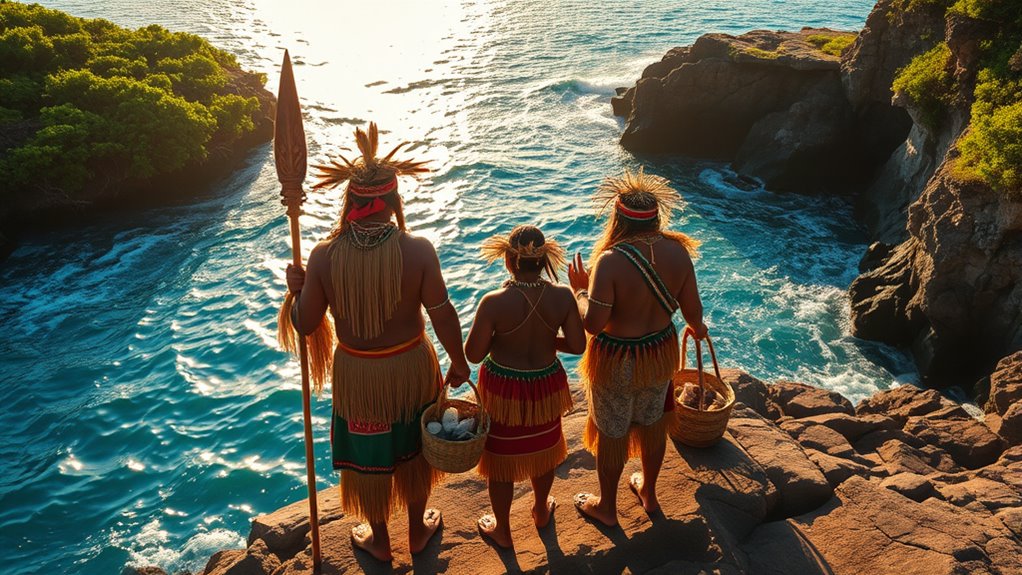

Indigenous communities view Sea Country as a sacred space tied to their culture, traditions, and identity. They are the true custodians and guardians of the ocean, practicing sustainable methods rooted in centuries-old knowledge. Recognizing their rights supports cultural preservation, strengthens conservation efforts, and promotes ecological health. Ignoring these rights can lead to conflicts and environmental harm. If you keep exploring, you’ll discover how their stewardship benefits everyone and why their role is essential for marine sustainability.
Key Takeaways
- Indigenous communities view Sea Country as sacred and integral to their cultural identity, emphasizing stewardship over ownership.
- Recognizing Indigenous rights supports cultural preservation, traditional practices, and sustainable management of marine environments.
- Indigenous knowledge offers centuries-old, sustainable conservation methods that complement modern marine protection efforts.
- Ignoring Indigenous rights can lead to conflicts, environmental degradation, and undermined cultural heritage.
- Recognizing Sea Country rights fosters collaboration, ecological health, and ensures sustainable marine resources for future generations.
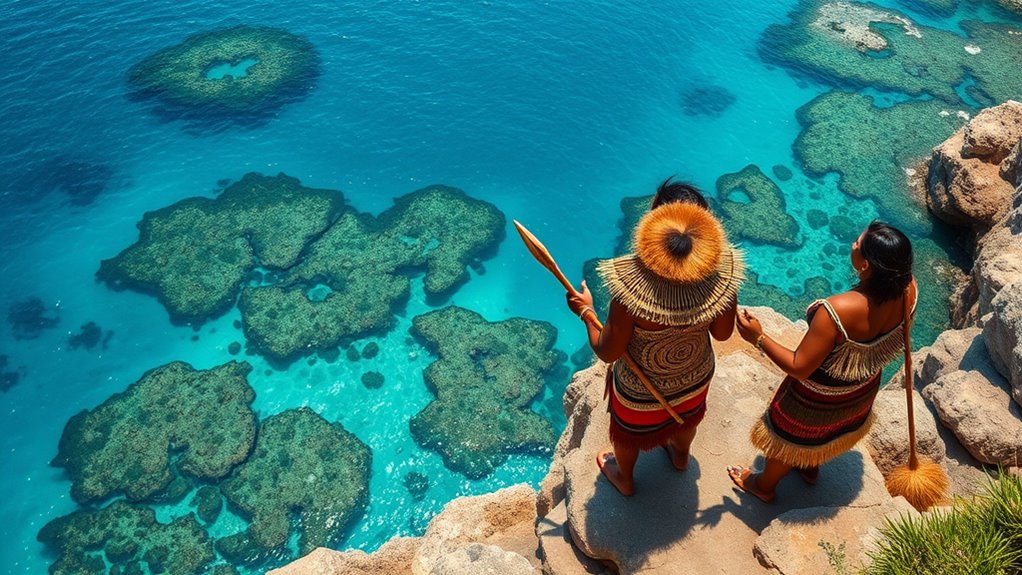
Have you ever wondered who truly owns or has rights to the sea? The answer isn’t as simple as borders on a map. For centuries, Indigenous communities have viewed the ocean not just as a resource, but as an integral part of their cultural heritage and identity. These communities possess a deep spiritual and practical connection to their Sea Country, which encompasses the waters, coastlines, and marine life surrounding their lands. Recognizing their rights is crucial because they are often the original custodians of these waters, practicing marine conservation long before modern environmental movements emerged. Their traditional knowledge and sustainable practices help maintain healthy ecosystems, ensuring that marine biodiversity flourishes for future generations.
Indigenous peoples see their Sea Country as a living part of their cultural heritage, a sacred space where ancestral stories, ceremonies, and traditions are rooted. Their relationship with the ocean is built on respect and stewardship, not ownership in a Western sense. When governments and international bodies ignore this perspective, it can lead to conflicts and environmental degradation. That’s why acknowledging Indigenous rights to their Sea Country is essential for both cultural preservation and ecological health. These communities often have detailed, centuries-old understanding of local marine species and ecosystems—knowledge that’s invaluable for effective marine conservation efforts. Their customary practices, such as sustainable fishing and marine protected areas, help protect vulnerable species and habitats, proving that traditional ways can complement modern conservation strategies. Additionally, recognizing their rights can foster greater public trust in sustainable management initiatives.

Sidomma Pro Fishing Gear and Equipment Tools Accessories Kit with Fishing Pliers Fillet Knife Scissors Fish Lip Gripper Fish Ruler Fishing Gifts for Men Saltwater Fishing Fly Fishing Ice Fishing
【 Complete Fishing Tool Kit Set】Item comes with fillet knife, fishing pliers with lanyard, fish lip gripper, fishing…
As an affiliate, we earn on qualifying purchases.
As an affiliate, we earn on qualifying purchases.
Frequently Asked Questions
How Do Indigenous Guardians Coordinate With Government Agencies?
You work with government agencies through cultural collaboration, sharing traditional knowledge and practices. This coordination helps develop policies that respect Indigenous rights and safeguard ocean ecosystems. You participate in joint meetings, contribute to policy development, and guarantee Indigenous perspectives are integrated into management plans. By actively engaging, you foster mutual understanding, build trust, and create effective strategies that benefit both the environment and Indigenous communities.
What Are the Biggest Challenges Faced by Indigenous Sea Rights?
You face the storm of resource competition and cultural preservation, battling to keep your traditions alive amidst external pressures. These challenges threaten your connection to the sea, risking the erosion of sacred practices and natural resources. The fight to protect your rights is like holding a fragile shell against relentless waves—difficult but essential. Your resilience is key to safeguarding both your cultural heritage and the ocean’s future.
How Is Traditional Knowledge Integrated Into Conservation Efforts?
You can integrate traditional knowledge into conservation efforts by actively involving Indigenous communities in marine stewardship initiatives. This approach honors their cultural preservation and leverages centuries of ecological understanding. By incorporating Indigenous practices and stories, you help create sustainable management plans that protect marine environments. Your collaboration guarantees that conservation efforts are culturally respectful, effective, and rooted in local, traditional insights, fostering a deeper connection between communities and their sea country.
Are There Legal Protections for Indigenous Guardians’ Roles?
Your role as an Indigenous Guardian is powerful, like a force of nature. Yes, there are legal protections through policy frameworks that recognize your essential contributions. Legal recognition elevates your guardianship, ensuring your role isn’t just symbolic but backed by law. These frameworks aim to safeguard your traditional knowledge and responsibilities, giving you the authority and support to protect your sea country effectively.
How Can Non-Indigenous Communities Support Sea Country Rights?
You can support sea country rights by actively engaging with Indigenous communities and respecting their cultural preservation efforts. Participate in community events, listen to their stories, and promote awareness of their guardianship roles. Advocating for policies that recognize Indigenous land and sea rights also helps. Your support strengthens their authority, fosters mutual respect, and ensures the protection of ocean ecosystems, empowering Indigenous guardians to continue their essential work.

2 Pack Warning Property Protected By A U.S. Marine 12 inch by 8 inch Metal Tin Sign
🔥➀【MATERIAL】Tin and metal. Color: as shown.
As an affiliate, we earn on qualifying purchases.
As an affiliate, we earn on qualifying purchases.
Conclusion
By respecting sea country rights, you become a guardian of the ocean’s soul. Imagine the ocean as a living, breathing entity that depends on your actions to thrive. When you honor Indigenous stewardship, you’re not just protecting waters—you’re safeguarding a legacy that connects us all. So, will you choose to stand with those who defend our seas, becoming a essential part of the ocean’s story for generations to come? The choice is yours—are you ready to answer the call?

BREAM FISH ESSENTIALS: Everything You Need To Know About Catching, Identifying And Enjoying Bream Expert Tips, Techniques, Habitats, Gear And Successful Fishing Strategies.
As an affiliate, we earn on qualifying purchases.
As an affiliate, we earn on qualifying purchases.

Sea Change: An Atlas of Islands in a Rising Ocean
As an affiliate, we earn on qualifying purchases.
As an affiliate, we earn on qualifying purchases.