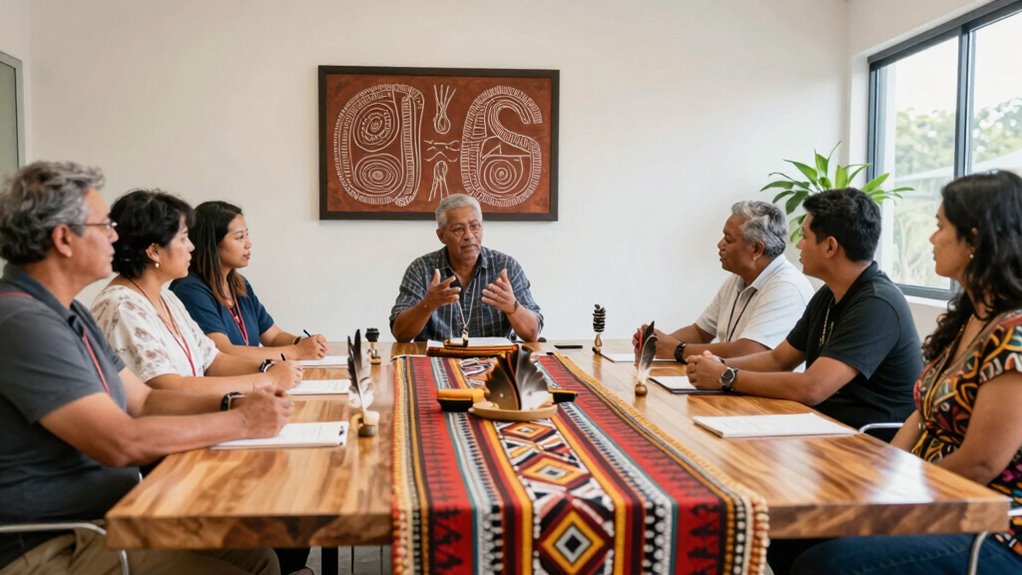

To host Aboriginal guest speakers respectfully and safely, start by understanding the importance of cultural safety and preparing your organization with cultural competence. Engage Indigenous communities early, build trust, and involve cultural advisors. Create an inclusive environment by respecting traditions, symbols, and protocols, while communicating expectations clearly. Be mindful of sensitivities, use respectful language, and seek feedback for ongoing improvement. If you want practical steps to guarantee a truly respectful experience, continue exploring these key practices.

Get school and study supplies delivered free — and shop member deals
- Fast, free delivery on millions of items
- Access to Prime Big Deal Days deals on October 6–7
- Prime Video, Amazon Music and more included
Key Takeaways
- Build relationships early with Indigenous communities and cultural advisors to ensure respectful engagement and appropriate protocols.
- Provide cultural awareness training for staff and organizers to foster understanding of Aboriginal histories, traditions, and protocols.
- Incorporate Indigenous artwork, symbols, and storytelling thoughtfully to create a respectful and inclusive event environment.
- Communicate clearly about cultural protocols, respectful language, and expectations to promote mutual understanding and respect.
- Gather and respond to feedback from Indigenous speakers and attendees to continuously improve cultural safety practices.
Indigenous artwork and symbols for events
As an affiliate, we earn on qualifying purchases.
As an affiliate, we earn on qualifying purchases.
Why Cultural Safety Matters When Hosting Aboriginal Guest Speakers

When hosting Aboriginal guest speakers, understanding why cultural safety matters is essential to creating a respectful and inclusive environment. Cultural safety promotes cultural competence, ensuring you recognize and honor Indigenous ways of knowing, being, and doing. By fostering respectful engagement, you demonstrate genuine respect for their cultural identity and lived experiences. Establishing clear communication protocols can also help prevent misunderstandings and demonstrate your commitment to respectful dialogue. When you prioritize cultural safety, you avoid inadvertently causing harm or discomfort, which can undermine meaningful dialogue. It’s about more than just awareness; it’s actively creating a space where Aboriginal voices are heard and respected. Incorporating cultural safety principles into your hosting practices ensures ongoing respect and understanding. Recognizing the importance of cultural safety in the context of Gold IRA markets can also help foster ethical and culturally sensitive investment discussions. Emphasizing cultural competence as a foundational element can further enhance the inclusivity of your hosting environment. Building trust and rapport is crucial to ensure open and honest communication during engagements. Ultimately, cultural safety enhances the integrity of your hosting, enriching the experience for everyone involved.
How to Prepare Your Organization for Culturally Safe Hosting

Preparing your organization for culturally safe hosting starts with intentional planning and commitment. You need to build cultural competence within your team by providing training that enhances understanding of Aboriginal histories, protocols, and perspectives. Engage with community members or Indigenous organizations early in the process to foster genuine relationships and ensure your approach aligns with cultural values. This community engagement demonstrates respect and helps identify specific needs or sensitivities that should guide your hosting plans. Establish clear guidelines that emphasize respect, listening, and humility. By actively involving community voices and prioritizing cultural competence, you create a welcoming environment that respects Indigenous traditions. Incorporating culturally appropriate performance parts and techniques can further enrich the experience and foster mutual respect. Understanding Free Floating concepts is also essential to ensure your hosting approach remains adaptable and respectful of diverse cultural expressions. Developing cultural safety awareness among your team can significantly improve interactions and foster trust. Additionally, incorporating authentic cultural elements can deepen the cultural experience and demonstrate genuine respect. Embracing innovative planter designs can also serve as a metaphor for fostering creative and respectful cultural exchanges. This preparation sets a strong foundation for a meaningful and culturally safe experience for your guest speakers.
Consulting With Indigenous Communities and Cultural Advisors Early

Engaging with Indigenous communities and cultural advisors early in your planning process guarantees your hosting is respectful and aligned with cultural values. This proactive community engagement shows your commitment to honoring cultural sovereignty and avoids misunderstandings. By consulting early, you can gather essential insights and guidance directly from those with lived experience and cultural authority. This collaboration helps you identify appropriate topics, language, and protocols, fostering trust and mutual respect. It also demonstrates your genuine intent to create a meaningful and respectful event. Remember, involving Indigenous voices from the start isn’t just respectful—it’s vital for ensuring your event’s success and authenticity. Building these relationships early sets a solid foundation for a culturally safe and inclusive hosting experience. Understanding the importance of cultural safety and creating an environment where Indigenous guests feel respected and valued is essential for a successful event. Incorporating sustainable practices in your event planning can further demonstrate respect for Indigenous perspectives, especially when considering environmental impacts and community well-being. Recognizing the significance of energetic alignment can also help foster positive interactions and mutual understanding during your event. Additionally, paying attention to cultural protocols ensures that your engagement remains respectful and culturally appropriate throughout the planning process. Being aware of community consultation practices can help you build trust and ensure your event aligns with Indigenous expectations and needs.
Creating a Respectful and Inclusive Event Environment
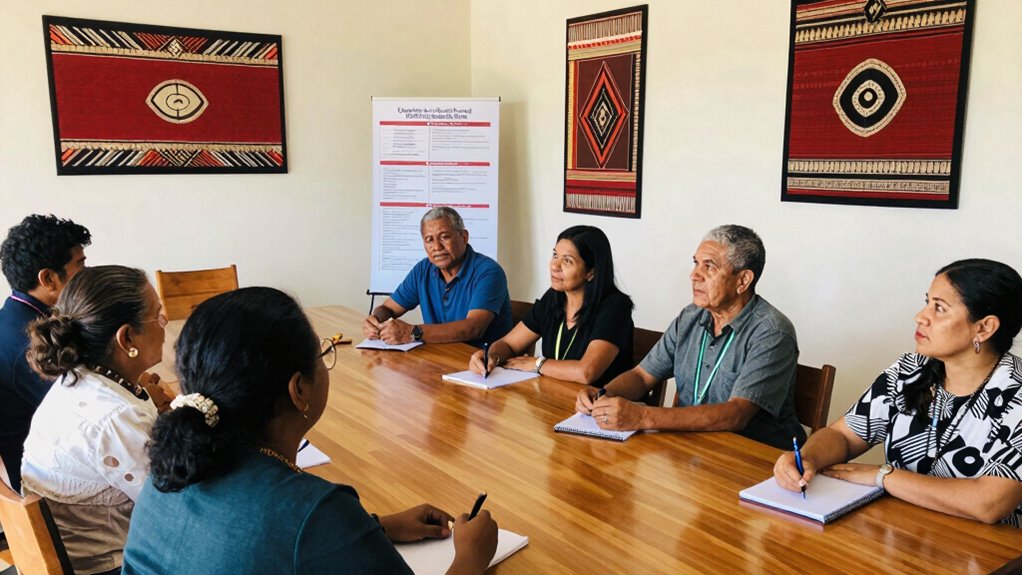
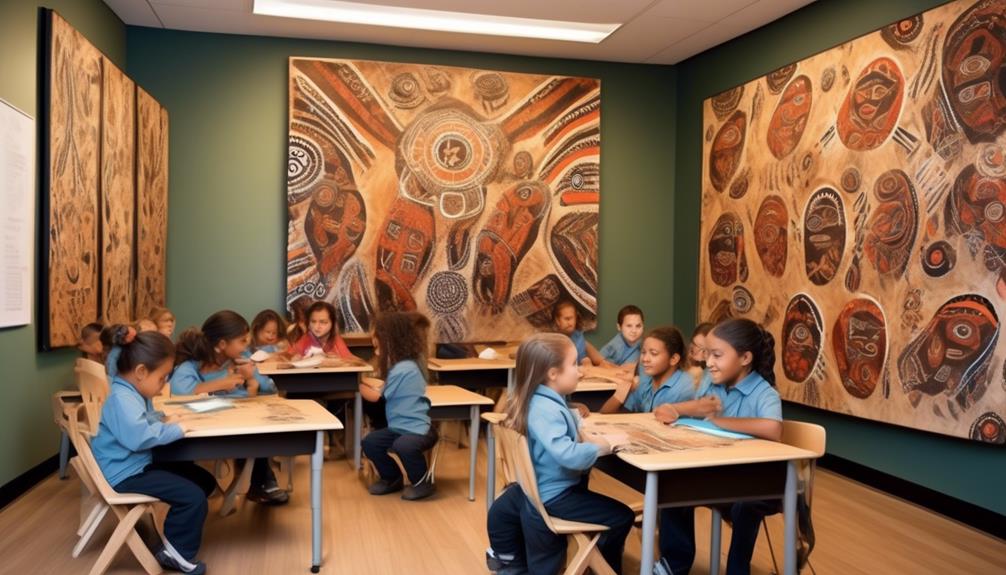
Creating a respectful and inclusive event environment requires intentional planning and thoughtful practices. To foster cultural awareness and inclusive engagement, guarantee your space reflects respect for Indigenous cultures. This can include:
- Arranging seating to promote open dialogue and comfort
- Displaying Indigenous artwork or symbols thoughtfully
- Providing materials that acknowledge cultural significance
- Incorporating cultural storytelling to deepen understanding and connection
- Considering cultural protocols to ensure respectful interaction and representation
- Educating yourself and your team about cultural safety principles to create a supportive environment, including understanding the importance of cultural competence in interactions
- Being aware of wave and wind patterns that can influence outdoor event arrangements to ensure safety and comfort for all attendees
Communicating Cultural Protocols Clearly to Your Guest Speakers
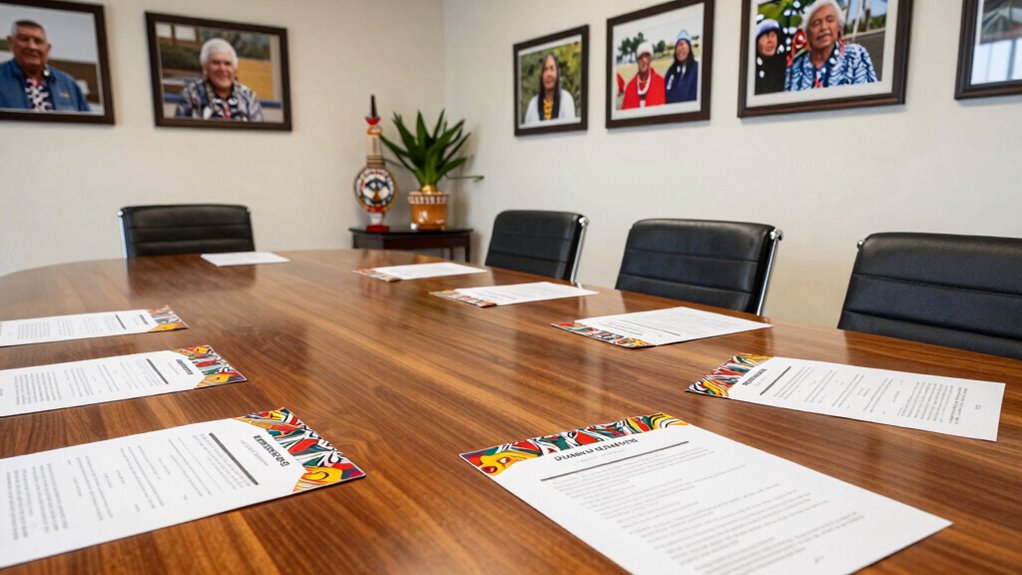
To guarantee your guest speakers honor cultural protocols, you need to clearly explain your expectations upfront. Use respectful language that acknowledges their traditions and sensitivities. This approach helps prevent misunderstandings and fosters a more inclusive, respectful environment. Incorporating cultural awareness into your planning can further enhance the experience for all participants. Additionally, understanding the power and influence of respectful communication can strengthen mutual trust and collaboration.
Clarify Cultural Expectations
Clear communication of cultural protocols is essential when preparing your guest speakers. This guarantees everyone understands the cultural expectations and respects guest etiquette. To do this effectively, provide detailed guidance on appropriate behaviors, dress code, and participation. For example, you might clarify:
- Proper ways to address community elders and respect traditional titles
- Appropriate attire that honors cultural norms
- Expected gestures or actions during ceremonies or presentations
- Emphasize the importance of cultural safety to ensure respectful and inclusive interactions.
Use Respectful Language
How can you guarantee your guest speakers communicate cultural protocols respectfully? Start by emphasizing the importance of using appropriate terminology and respectful language. Clearly explain any specific words or phrases preferred within the community, and encourage your speakers to avoid stereotypes or outdated terms. Providing them with cultural context helps ensure they convey messages thoughtfully. Remind them to speak with humility and sensitivity, recognizing the significance of their words. You can also offer resources or examples of respectful language to guide their communication. By setting clear expectations and promoting awareness of culturally appropriate terminology, you help foster an environment of mutual respect and understanding. This approach ensures your guest speakers honor cultural protocols through respectful language throughout their presentation.
Navigating Cultural Sensitivities and Common Pitfalls

You need to be mindful of cultural protocols to create a respectful environment. Addressing stereotypes and biases helps prevent misunderstandings and shows genuine respect. By staying aware of these sensitivities, you can avoid common pitfalls and foster trust.
Respect Cultural Protocols
Respecting cultural protocols is essential for fostering trust and demonstrating genuine appreciation for diverse traditions. When hosting Aboriginal guest speakers, honoring these protocols shows respect and helps build meaningful connections. Be mindful of:
- Participating appropriately in traditional ceremonies, understanding which aspects you can observe or join.
- Wearing cultural attire correctly, ensuring you follow guidance on when and how to wear it respectfully.
- Asking permission before taking photos, especially during sacred activities or when cultural items are involved.
Address Stereotypes and Biases
Managing cultural sensitivities requires awareness of common stereotypes and biases that can unintentionally cause harm or reinforce misunderstandings. To foster genuine respect, focus on stereotype awareness by recognizing and challenging assumptions about Aboriginal cultures. This helps prevent reinforcing stereotypes that may diminish the guest speaker’s credibility or perpetuate misconceptions. Bias reduction involves actively questioning your own preconceptions and avoiding generalizations. Approach the conversation with openness, listening carefully and asking respectful questions instead of relying on stereotypes. Educate yourself beforehand about the specific community or group, and be mindful of language that might reinforce bias. By consciously addressing stereotypes and biases, you create a welcoming environment that values authentic cultural expression and promotes respectful dialogue.
Gathering Feedback From Indigenous Guests and Participants for Improvement

Gathering feedback from Indigenous guests and participants is essential for fostering meaningful improvements in your programs and services. It helps you understand their experiences and identify areas for growth. Prioritize open dialogue, actively listen, and show genuine appreciation for their insights. To make feedback collection effective, consider methods like anonymous surveys, follow-up conversations, and suggestion boxes. This ongoing process supports continuous improvement by informing your cultural safety practices. Encourage honesty and reassure participants that their input leads to positive change. Remember, feedback isn’t a one-time activity but a crucial part of evolving your approach. By valuing Indigenous perspectives, you build trust and foster an environment of respect and inclusion. Your commitment to listening demonstrates your dedication to culturally safe hosting.
Resources and Tools to Support Culturally Safe Hosting Practices

Building on your efforts to gather meaningful feedback, utilizing the right resources and tools can considerably enhance your ability to foster culturally safe hosting environments. Resources such as cultural awareness training programs and community engagement guides help you develop a deeper understanding of Aboriginal traditions and protocols. These tools equip you to create respectful, inclusive spaces where Indigenous speakers feel valued and understood. Engaging with local Indigenous organizations or cultural advisors offers firsthand insights and fosters authentic relationships. By leveraging these resources, you demonstrate your commitment to cultural safety, ensuring your hosting practices are respectful, informed, and responsive. In turn, this promotes trust and meaningful dialogue, enriching the experience for both your guests and your community.
Frequently Asked Questions
How Can I Handle Cultural Misunderstandings During the Event?
When cultural misunderstandings happen, you should foster respectful communication and encourage open dialogue. Address issues promptly, listen actively, and apologize if needed. You can facilitate cultural dialogue by asking questions and showing genuine interest in learning. Stay humble, avoid assumptions, and create a safe space for all participants to share their perspectives. This approach helps build trust, promotes understanding, and guarantees everyone feels valued during the event.
What Are Some Signs of Cultural Insensitivity to Watch For?
You’ll know cultural insensitivity when you see it—like blatant cultural appropriation or tokenism that screams, “I don’t get it!” Watch for dismissive body language, interrupting, or making stereotypical jokes. If speakers or audience members act as if Aboriginal culture is a costume or a prop, that’s a red flag. Stay alert, respectful, and guarantee everyone understands the importance of genuine acknowledgment, not just surface-level gestures.
How Do I Ensure Ongoing Cultural Safety Beyond the Event?
To guarantee ongoing cultural safety, you should prioritize community engagement and build genuine relationships with Aboriginal communities. Keep learning about their cultures and histories to enhance your cultural competence continuously. Seek feedback regularly, listen actively, and make adjustments based on their input. Maintain open communication, respect boundaries, and demonstrate your commitment to cultural safety beyond the event, fostering trust and ongoing collaboration.
What Should I Do if a Guest Feels Uncomfortable or Disrespected?
If a guest feels uncomfortable or disrespected, listen carefully and acknowledge their feelings without defensiveness. Encourage them to share their guest feedback openly, and express genuine cultural apologies if needed. Take immediate steps to address their concerns, such as clarifying misunderstandings or adjusting future practices. Showing respect and commitment to learning demonstrates your dedication to creating a safe, inclusive environment, fostering trust and ongoing positive relationships.
Are There Specific Legal Considerations When Hosting Indigenous Speakers?
When hosting Indigenous speakers, you must prioritize legal compliance and respect for intellectual property. You should guarantee agreements clearly define rights, responsibilities, and cultural sensitivities. Respect traditional knowledge, avoid misappropriation, and obtain necessary permissions. By doing so, you honor their contributions, uphold legal standards, and foster a respectful environment. The key is to act ethically, protect rights, and promote mutual understanding, creating an inclusive space that values Indigenous voices and their cultural heritage.
Conclusion
Hosting Aboriginal guest speakers isn’t just about protocol; it’s about honoring history and building trust. While cultural protocols may seem like barriers, they’re actually bridges to genuine respect and understanding. By prioritizing safety over assumptions, you create spaces where voices are valued and stories are shared authentically. Embrace the complexity—it’s what transforms a simple event into a meaningful exchange that benefits everyone involved.
Halloween Picks
halloween
As an affiliate, we earn on qualifying purchases.



![Competitive Programmer's Handbook (2018) [Pdf]](https://fatsil.org/wp-content/uploads/2026/10/competitive-programmer-s-handbook-2018-pdf-featured-260x140.jpg)