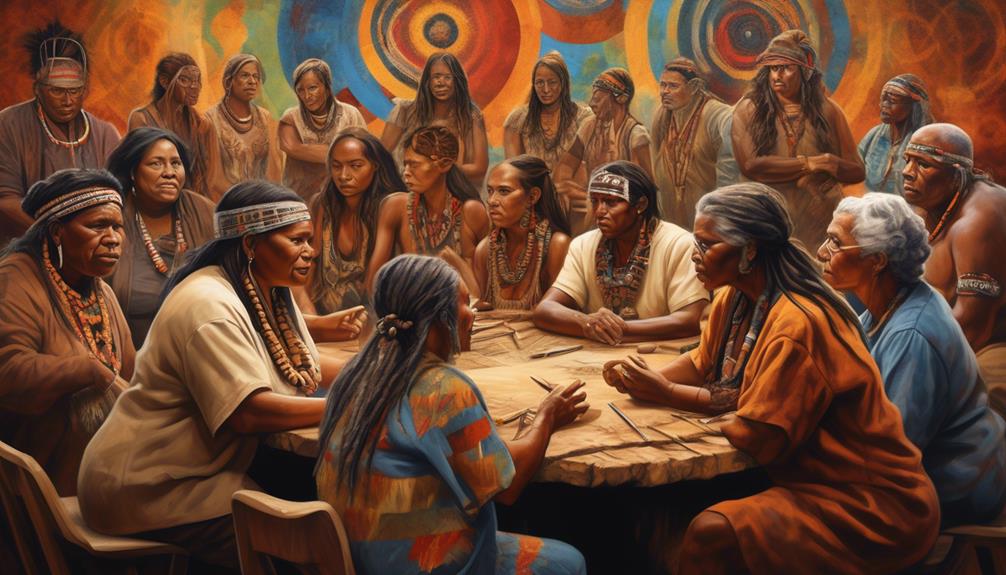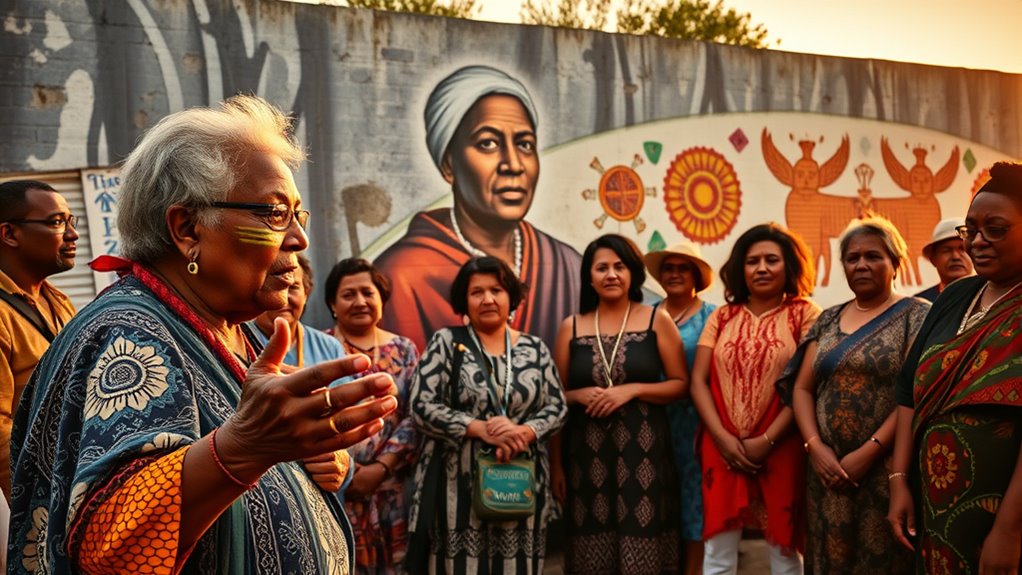

From Oodgeroo Noonuccal’s inspiring efforts to today’s Indigenous leaders, Aboriginal political voices have long rallied for land rights, cultural recognition, and sovereignty. You see how these advocates shifted from grassroots activism to influencing national policies and legal victories. Their resilience highlights the ongoing fight for justice and self-determination. If you want to understand how these voices shape Australia’s future, exploring their stories reveals a powerful journey of resistance and hope.
Key Takeaways
- Indigenous political voices have evolved from early activism by leaders like Oodgeroo Noonuccal to modern advocates shaping policy.
- Leaders emphasize land rights, sovereignty, and cultural preservation as core components of Indigenous political movements.
- Oodgeroo Noonuccal’s activism challenged injustices and elevated Indigenous issues on national and international stages.
- Contemporary leaders continue to fight for land restitution, legal recognition, and self-governance through protests and legal battles.
- The progression of Indigenous leadership underscores resilience, unity, and ongoing efforts toward sovereignty and cultural integrity.

Have you ever wondered how Aboriginal communities shape their political futures? It’s a complex journey rooted in the pursuit of Indigenous sovereignty and land rights movements. These movements aren’t just about reclaiming land; they’re about asserting cultural identity, securing political recognition, and building a future where Indigenous voices are central to decision-making. From early advocates like Oodgeroo Noonuccal to today’s emerging leaders, each generation has pushed boundaries to challenge systemic injustices and push for self-determination. Land rights movements have been pivotal in this fight, emphasizing the importance of returning traditional lands and gaining legal recognition. These struggles have often faced resistance from governments and corporations, but they serve as powerful symbols of resilience and resistance. When Indigenous communities rally around land rights, they’re asserting that land isn’t just property—it’s a crucial part of their cultural and spiritual identity.
As you explore these movements, you’ll see how they evolve from grassroots activism to influence national policies. Indigenous sovereignty, in particular, represents a fundamental assertion of autonomy—an acknowledgment that Indigenous peoples have the right to govern themselves and maintain their cultural practices. Leaders have used various strategies, from peaceful protests to legal battles, to push this agenda forward. These efforts have led to landmark victories, like land claim settlements and constitutional recognitions, which serve as stepping stones toward full sovereignty. Yet, challenges remain. Governments often delay or dilute commitments, and ongoing disputes over land and resource rights continue to fuel tensions. Still, Indigenous leaders refuse to give up. They understand that their fight isn’t just about land; it’s about sovereignty, respect, and the right to shape their political destinies. Building on this foundation, advancements in cultural preservation have strengthened their ability to advocate for rights and recognition.
Throughout history, Aboriginal voices have been integral to these movements, inspiring younger generations to carry the torch. They remind us that political change is a gradual process rooted in perseverance and unity. Today’s leaders draw strength from the foundations laid by pioneers like Oodgeroo Noonuccal and others who used their voice to challenge injustice and elevate Indigenous issues on national and international stages. Their activism has helped create spaces for dialogue and reconciliation, even if the journey toward true sovereignty is ongoing. As you reflect on this history, remember that each step forward, each victory, reaffirms the importance of Indigenous sovereignty and land rights movements. They serve as a testament to the resilience of Aboriginal communities and their unwavering commitment to securing a future where their voices are heard and respected.
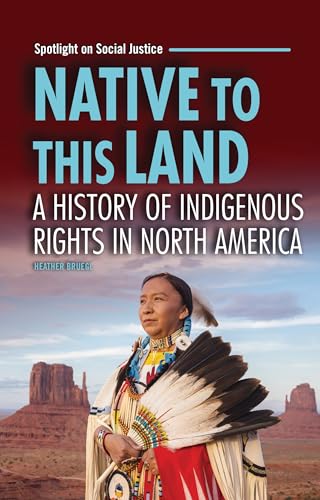
Native to This Land: A History of Indigenous Rights in North America (Spotlight on Social Justice)
As an affiliate, we earn on qualifying purchases.
As an affiliate, we earn on qualifying purchases.
Frequently Asked Questions
How Have Aboriginal Leaders Influenced Australian National Policies?
You see, Aboriginal leaders have profoundly influenced Australian national policies by advocating for Indigenous sovereignty and cultural preservation. They push for recognition of land rights, self-determination, and respect for cultural practices, shaping government decisions. Their voices challenge policies that harm Indigenous communities, ensuring that cultural identity remains essential in national discussions. Through activism and negotiation, they help foster a more inclusive Australia that respects its Indigenous peoples and their heritage.
What Role Do Indigenous Women Play in Political Activism?
You see that Indigenous women play a crucial role in political activism through their leadership and cultural advocacy. They challenge injustices, amplify Indigenous voices, and preserve traditions while pushing for policy change. Their activism inspires communities and influences national conversations, demonstrating resilience and strength. By stepping into leadership roles, Indigenous women guarantee their perspectives shape Australia’s future, making them powerful agents of change within both cultural and political spheres.
How Has Social Media Impacted Indigenous Political Engagement?
You might think social media trivializes serious issues, but it actually amplifies indigenous voices through digital activism and online advocacy. It puts political engagement at your fingertips, making it easier to share stories, mobilize support, and challenge injustices. While some see it as superficial, social media fosters real connections and awareness, empowering you to participate actively in indigenous politics, transcending geographical barriers and sparking global solidarity.
What Are the Biggest Challenges Faced by Contemporary Aboriginal Politicians?
You face significant challenges as a contemporary Aboriginal politician, especially in balancing cultural preservation and land rights. You often struggle to protect your community’s traditions while advocating for land claims and sovereignty. Political obstacles, limited resources, and systemic discrimination make it harder to achieve meaningful change. You need to navigate complex legal and social landscapes, all while ensuring your community’s voice stays strong and their cultural identity remains intact.
How Do Traditional Aboriginal Governance Systems Influence Modern Politics?
Like roots anchoring a tree, traditional Aboriginal governance deeply influences modern politics. You see, kinship governance and cultural sovereignty shape decision-making, ensuring community voices stay central. These systems foster respect, reciprocity, and collective responsibility, guiding contemporary leaders to honor Indigenous laws and customs. By integrating these principles, you help maintain cultural identity and strengthen political advocacy, creating a more inclusive and respectful political landscape rooted in age-old traditions.
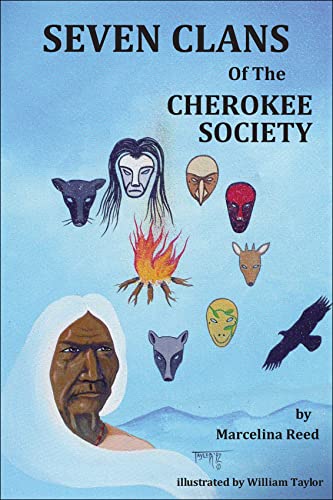
Seven Clans of the Cherokee Society
Used Book in Good Condition
As an affiliate, we earn on qualifying purchases.
As an affiliate, we earn on qualifying purchases.
Conclusion
As you reflect on the journey from Oodgeroo Noonuccal’s heartfelt activism to today’s vibrant leaders, you realize that their voices, once seemingly distant, now echo closer than ever. It’s almost as if history’s threads unexpectedly intertwine, reminding you that change often arrives quietly, shaped by those who dared to speak out. In this coincidence, you see hope—a reminder that your voice, too, can spark the ongoing story of Aboriginal advocacy.

Indigenous Data Sovereignty and Policy (Routledge Studies in Indigenous Peoples and Policy)
As an affiliate, we earn on qualifying purchases.
As an affiliate, we earn on qualifying purchases.

Smead Pressboard Guides, 1/5-Cut Tab, Daily (1-31), Legal Size, Gray/Green, Set of 31 (52369)
Includes 31 legal size (14-3/4” W x 10” H) filing guides to serve as signposts and make chronological…
As an affiliate, we earn on qualifying purchases.
As an affiliate, we earn on qualifying purchases.