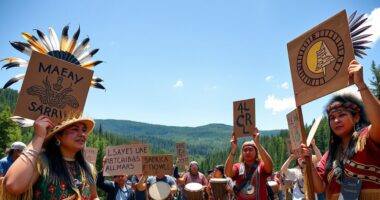
International efforts like UNDRIP aim to protect Indigenous land, culture, and rights while promoting inclusive, sustainable development. They emphasize respecting Indigenous traditions, involving communities in decision-making, and safeguarding their cultural identities. Policies are created to give Indigenous peoples control over their lands and resources, ensuring progress doesn’t erase their way of life. If you explore further, you’ll discover how these initiatives shape a more respectful and equitable future for Indigenous communities worldwide.
Key Takeaways
- UNDRIP promotes indigenous land rights, cultural preservation, and involvement in decision-making processes globally.
- International efforts focus on integrating indigenous knowledge with sustainable development practices.
- Legal frameworks aim to empower indigenous communities to control their lands, resources, and cultural expressions.
- Policies support safeguarding languages, rituals, and traditions to maintain indigenous cultural identity.
- Beyond UNDRIP, global initiatives seek inclusive progress respecting indigenous rights and fostering cultural diversity.
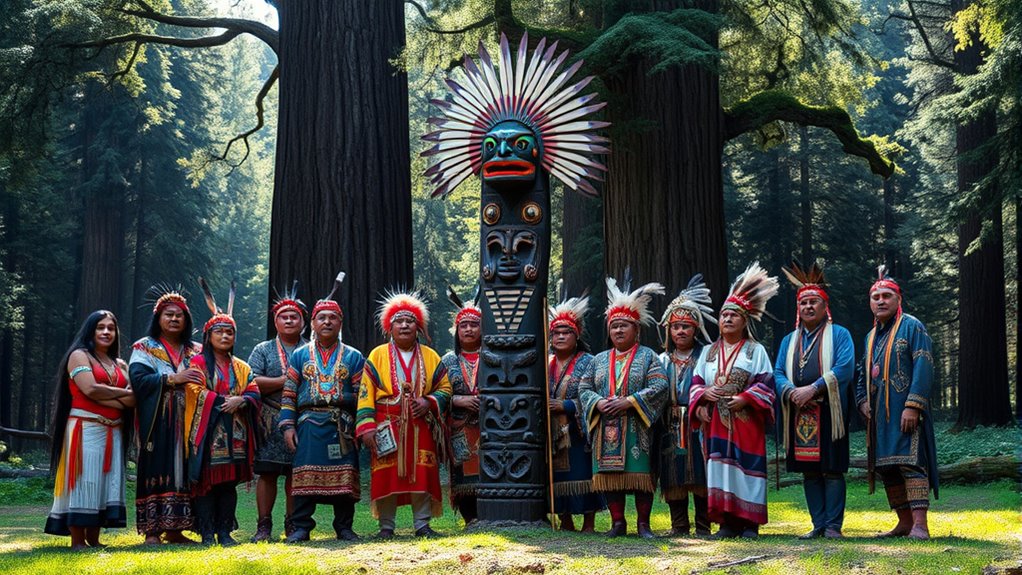
Have you ever wondered how the United Nations is working to protect the rights of Indigenous peoples worldwide? It’s a fundamental question, especially as many Indigenous communities face threats to their way of life, land, and cultural identity. The UN has taken significant steps through initiatives like the UN Declaration on the Rights of Indigenous Peoples (UNDRIP), aiming to promote respect, equality, and justice. These efforts emphasize sustainable development—assuring Indigenous communities can grow economically without sacrificing their environment or traditions. By integrating Indigenous knowledge and practices, the UN encourages development that benefits communities today while safeguarding resources for future generations.
The UN promotes Indigenous rights through UNDRIP, fostering sustainable development that respects land, culture, and traditional knowledge.
Sustainable development isn’t just about economic progress; it’s about creating a balanced approach that respects Indigenous peoples’ unique relationship with their land. Many Indigenous communities have a deep spiritual and cultural bond with their environment, which forms the foundation of their identity. Recognizing this, UNDRIP urges nations to involve Indigenous peoples in decision-making processes that directly impact their lands and resources. This participation guarantees that development projects do not undermine their cultural integrity or lead to displacement. Instead, they promote models of progress rooted in Indigenous values, blending traditional knowledge with modern technology to forge sustainable solutions.
Furthermore, recognizing the importance of cultural preservation helps ensure that Indigenous languages, rituals, and customs continue to thrive amidst modern challenges. When you support Indigenous rights, you’re helping communities maintain their languages, rituals, and customs that are at risk of fading away. The UN recognizes that cultural identity is fundamental to individual and collective well-being, and that erasing or marginalizing Indigenous cultures diminishes the richness of global diversity. That’s why UNDRIP emphasizes respecting Indigenous peoples’ rights to practice their traditions, access their ancestral lands, and pass their cultural knowledge to future generations. Protecting these aspects isn’t just about safeguarding tradition; it’s about honoring their dignity and ensuring their voices remain part of the global conversation.
The UN’s work also involves creating legal frameworks and policies that empower Indigenous communities. These measures enable them to control their lands, resources, and cultural expressions. When you see efforts like these, you realize that protecting Indigenous rights goes beyond human rights—it’s about fostering a world where diverse ways of life thrive in harmony. Ultimately, the UN aims to build a future where Indigenous communities can pursue development without losing their identity, making sure that progress is inclusive, respectful, and sustainable. By supporting these initiatives, you contribute to a global movement that values cultural diversity and promotes sustainable development rooted in respect for Indigenous peoples’ rights.

Learn Nahuatl, Language of the Aztecs and Modern Nahuas: Second Edition
As an affiliate, we earn on qualifying purchases.
As an affiliate, we earn on qualifying purchases.
Frequently Asked Questions
How Do Indigenous Communities Enforce UNDRIP Provisions Locally?
You can enforce UNDRIP provisions locally by actively engaging in cultural preservation and community empowerment. This involves advocating for your rights, participating in local decision-making, and working with authorities to guarantee your traditions are respected. By building strong community networks, you can hold governments accountable and push for policies that protect your land, culture, and resources. Your proactive efforts help translate international standards into tangible, local protections.
What Are the Main Challenges in Implementing UNDRIP Globally?
You face main challenges like sovereignty conflicts, which hinder indigenous communities’ ability to fully exercise their rights. Cultural preservation becomes difficult when governments or corporations threaten their traditions and lands. These issues often delay or block effective implementation of UNDRIP provisions. You must navigate complex political landscapes, advocate for respect of indigenous sovereignty, and support efforts to preserve their cultural heritage amid these global obstacles.
How Does UNDRIP Address Land Disputes Between States and Indigenous Peoples?
You’re wondering how UNDRIP addresses land disputes between states and indigenous peoples. It promotes sovereignty conflicts resolution by emphasizing cultural recognition, encouraging dialogue, and respecting indigenous land rights. While it doesn’t enforce legal boundaries, UNDRIP advocates for respectful reconciliation, urging states to acknowledge indigenous claims, consult communities, and honor traditional ties. This approach fosters fairness, forging a foundation for peaceful, participatory progress despite ongoing disputes.
Are There Any Legal Consequences for Violating UNDRIP?
You won’t face direct legal consequences for violating UNDRIP because it isn’t legally binding. However, violations can lead to weak legal enforcement and international sanctions, pressuring your country to change course. While UNDRIP sets important standards, enforcement relies on political will and international pressure. So, if you ignore indigenous rights, expect criticism and possible sanctions, but no automatic legal penalties.
How Can Indigenous Voices Influence International Policy Beyond UNDRIP?
You can influence international policy beyond UNDRIP by actively sharing your stories and advocating for cultural preservation and educational empowerment. Engage with global platforms, participate in international forums, and collaborate with organizations that support Indigenous rights. Your voices highlight unique perspectives, shape policies, and push for meaningful change, ensuring that Indigenous communities’ needs are prioritized and respected at the international level. Your participation makes a real difference in advancing Indigenous rights worldwide.
Conclusion
So, after all these years, you might think that Indigenous rights would be fully respected and protected. But here’s the irony: despite UNDRIP’s promises, many Indigenous communities still face discrimination, land theft, and neglect. It’s almost like the world’s commitments are just words on paper, meant to look good rather than actually bring change. Maybe, just maybe, true progress means moving beyond promises and finally listening to those who’ve been unheard for too long.