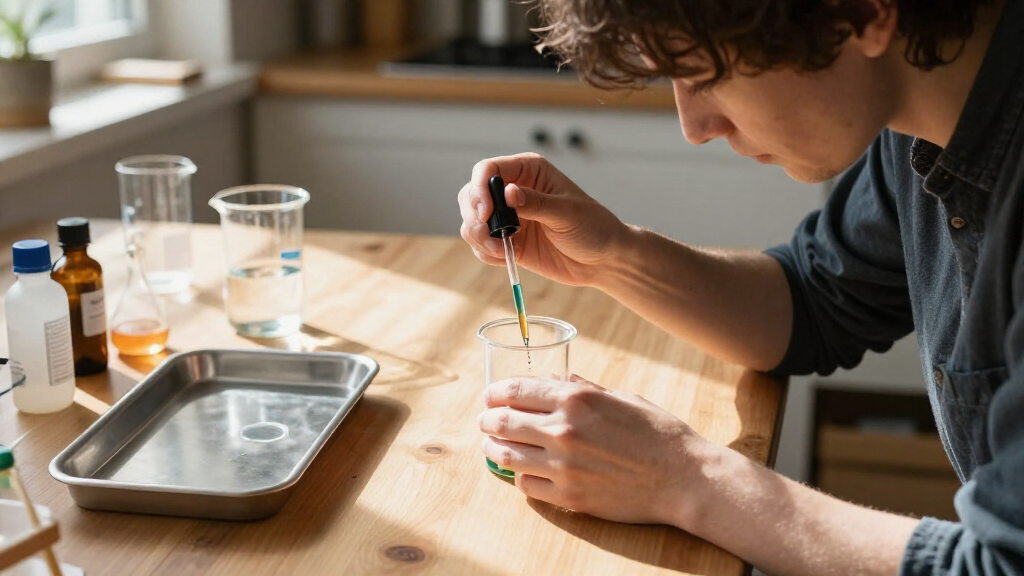

Adults looking for a hands-on way to explore science have two different routes here: build a working chemistry practice or focus on a single subject such as genetics. I rank the Thames & Kosmos Chem C2000 first for most adult beginners because its 250 experiments and real lab equipment offer breadth without the C3000’s much larger scope. The Chem C3000 is my pick for depth, with 333 experiments and the most extensive manual, while the Genetics & DNA Lab is the better fit for a targeted biology project rather than a general chemistry course.

Prime made for students and young adults
- Fast, free delivery for dorm and study essentials
- Prime Video and Amazon Music included
- Member-only deals
The central tradeoff is scope versus approachability. More experiments and equipment can support longer-term study, but they also bring more setup, supervision, and learning overhead. The C1000 gives adults a gentler starting point, though its child-oriented age guidance and smaller chemical selection may feel limiting to some. These kits are marketed largely for younger learners, so I judge them for adult buyers by the quality of their hands-on learning, how much structure they provide, and whether their subject matter matches an adult’s goals.
Key Takeaways
- Best starting point for most adults: Chem C2000 balances 250 experiments, real equipment, and a more manageable scope than the C3000.
- Best for sustained chemistry study: Chem C3000 has 333 experiments, 103 pieces, and a 192-page manual, but calls for more patience and supervision.
- Best low-barrier chemistry option: Chem C1000 introduces core techniques through 125 experiments, though its seven included chemicals set a limit on variety.
- Best for a specific biology interest: Genetics & DNA Lab includes 20 focused activities, including tomato DNA isolation and a DNA model.
- Adult buyers should plan around safety and supplies: The chemistry sets involve chemicals and, in the C2000 and C3000 descriptions, burner-based work that requires adult supervision.


| science experiment kits for adult | Experiments | Manual | Age guidance | Safety standard |
|---|---|---|---|---|
| Thames & Kosmos Chem C2000 Int | 250 | 128-page full-color manual | 11+ with adult supervision | EN 71-4 |
| Thames & Kosmos Chem C3000 Che | 333 | 192-page full-color manual | 12+ with adult supervision | EN 71-4 |
| Thames & Kosmos Chem C1000 | 125 | 80-page full-color manual | 10+ | EN 71-4 |
| Thames & Kosmos Genetics & DNA | 20 | 48-page full-color manual | — | — |
More Details on Our Top Picks
Thames & Kosmos Chem C2000 Intermediate Chemistry Set – 250 Experiments, Full-Color Lab Manual, Real Lab Equipment & Alcohol Burner – Parents’ Choice Silver Award – Ages 11+
I put the Chem C2000 first because it balances breadth with a workable learning curve. Its 250 experiments span topics such as oxidation, neutralization, electrochemistry, and chromatography, giving an adult a structured route through several branches of chemistry rather than a short sequence of introductory demonstrations. The 128-page full-color manual adds the context needed to connect a procedure with the underlying idea.
Compared with the C1000, the C2000 offers twice the listed experiment count and a wider range of equipment, so it is better suited to someone who wants a continuing project rather than a first taste of chemistry. It also has a larger scope than the C1000’s 125 activities, but does not demand the same commitment as the C3000, with its 333 experiments and 192-page manual. That middle position is why I see it as the most versatile adult pick.
The equipment is a meaningful part of the case: glass test tubes, graduated beakers, a carbon electrode, wires, an immersion heater, a tripod, and an alcohol burner let learners encounter techniques that a simplified household-only kit cannot offer. The tradeoff is that authentic equipment brings real handling demands. Adult supervision is specified, and burner use requires a careful workspace and attention to the manual. The set includes 13 chemicals, which is enough to support its outlined activities but may limit experimentation beyond them.
This is an especially sensible choice for an adult who wants guided, curriculum-like chemistry with a substantial activity list but does not need the largest available set. Compared with the Genetics & DNA Lab, it is less focused and more equipment-intensive; choose the DNA kit instead if heredity and molecular biology are the point. I would skip the C2000 if you want a compact, low-preparation activity or are unwilling to supervise flame and chemical work.
Pros:- 250 experiments cover several chemistry topics, including electrochemistry and chromatography.
- 128-page full-color manual supports step-by-step learning and repeat reference.
- Includes varied lab equipment such as glassware, an electrode, wires, and an alcohol burner.
- Sits between the C1000’s introductory scope and the C3000’s larger commitment.
Cons:- Requires adult supervision, including for work involving chemicals and the alcohol burner.
- The 13 included chemicals may constrain experimentation beyond the manual’s activities.
- More equipment and setup make it less convenient than a focused, low-preparation kit.
Best for: Adults starting a structured chemistry course at home who want broad subject coverage, real lab tools, and detailed step-by-step guidance.
Not ideal for: Buyers who want a compact, low-supervision kit, a narrowly focused biology project, or extensive chemistry beyond the included 13 chemicals.
- Experiments:250
- Manual:128-page full-color manual
- Chemicals:13 real chemicals
- Equipment:Glass test tubes, graduated beakers, funnel, pipettes, electrode, wires, heater, tripod, alcohol burner, and safety goggles
- Age guidance:11+ with adult supervision
- Safety standard:EN 71-4
- Award listed:Parents’ Choice Silver Award
Our verdict“For most adults who want to study chemistry hands-on, the C2000 offers the strongest balance of depth, guidance, and manageable scope.”
Thames & Kosmos Chem C3000 Chemistry Set – 333 Experiments, 103 Pieces (Ages 12+)
The Chem C3000 is the broadest chemistry program in this lineup. With 333 experiments across inorganic, organic, and electrochemistry, plus 103 pieces and a 192-page full-color manual, it makes the strongest case for an adult who wants a substantial sequence of activities rather than a weekend project. The real glassware and lab-oriented equipment also give the work a more authentic feel than a kit built around simple demonstrations.
Its lead over the C2000 is primarily depth and scale: the C3000 lists 83 more experiments and a longer manual, with explicit coverage of organic chemistry alongside other areas. That added reach suits adults who expect to return to the kit over time. The C2000 remains the easier recommendation for a first chemistry set, however, because its 250 experiments offer considerable breadth without asking the buyer to manage quite as many components. For an adult who already knows they want a long-form chemistry project, the C3000’s larger scope can be the better fit.
The manual is a key asset because a large activity count is only useful when instructions and explanations help a learner connect results to concepts. Yet the same scale creates a genuine downside: 103 pieces and a large collection of experiments can feel demanding to organize, especially for someone new to lab procedures. Its age guidance is 12+ with adult supervision, and the stated EN 71-4 standard does not remove the need to follow the instructions, use care, and plan for safe handling.
Compared with the C1000, this is not the one I would choose for a gentle introduction. The C1000 is more approachable on paper, while the C3000 is intended for greater range and sustained study. It also differs from the Genetics & DNA Lab in being a broad chemistry set rather than a focused investigation of heredity. Choose the C3000 if chemistry is the main interest and the buyer is ready for setup and supervision; skip it if a smaller activity list or a specific biology theme better matches the goal.
Pros:- 333 experiments cover inorganic, organic, and electrochemistry.
- A 192-page full-color manual gives the set substantial instructional support.
- 103 pieces and real laboratory glassware support a more involved home-lab experience.
- EN 71-4 safety standard is listed for the chemistry set.
Cons:- The component count and experiment range may overwhelm a beginner.
- Requires adult supervision and careful handling of chemicals and equipment.
- Its large scope can be more kit than a buyer seeking occasional, simple activities needs.
Best for: Adults who want the most extensive chemistry option here and are willing to organize equipment, follow detailed procedures, and supervise lab work.
Not ideal for: First-time learners who prefer a smaller, less involved starting point, or buyers whose main interest is genetics rather than chemistry.
- Experiments:333
- Chapters:27
- Pieces included:103
- Manual:192-page full-color manual
- Subject areas:Inorganic, organic, and electrochemistry
- Age guidance:12+ with adult supervision
- Safety standard:EN 71-4
- Country of manufacture:Germany
Our verdict“Choose the C3000 over the C2000 when maximum chemistry breadth matters more than a gentler, easier-to-manage starting point.”
Thames & Kosmos Chem C1000 (V 2.0) Beginner Chemistry Set | 125 Experiments, Full-Color Lab Manual, Real Lab Equipment & Chemicals | STEM Science Kit Ages 10+
The Chem C1000 is the easiest chemistry entry point in this group. It includes 125 experiments, seven named chemicals, real lab equipment, and an 80-page illustrated manual. That combination gives an adult a defined place to start: learn basic procedures, work through introductory concepts, and decide whether a larger chemistry program is worth the extra commitment.
Its scale is deliberately smaller than the C2000 and C3000. Compared with the C2000’s 250 experiments and 13 chemicals, the C1000 offers less variety and a more introductory scope; that can be an advantage when the buyer values a shorter learning path over long-term breadth. Against the C3000, it is much less demanding in component count and manual length, though it cannot match the larger kit’s stated coverage of organic chemistry and electrochemistry.
The included tools—test tubes, graduated beakers, droppers, a glass tube, copper wire, and safety goggles—make this more than a set of reading exercises. The manual is also a practical strength: illustrations and clear instructions can help an independent learner follow a procedure without turning each session into a research task. Still, the product is designed for ages 10 and up, and its activities may feel basic to an adult with chemistry experience. Only seven chemicals are listed, and additional supplies may be needed for extended use, so buyers should not mistake the experiment count for unlimited repeatability.
Compared with the Genetics & DNA Lab, the C1000 is the better pick for someone who specifically wants foundational chemistry; the DNA set is more suitable for a focused biology interest. I recommend the C1000 for an adult returning to science after a long gap or wanting a straightforward first lab kit. I would move up to the C2000 if the goal is a more substantial chemistry curriculum, and skip this set if introductory material would feel too limited.
Pros:- 125 experiments introduce foundational chemistry through hands-on activities.
- The 80-page full-color manual provides illustrated instructions.
- Includes real lab equipment, chemicals, and safety goggles.
- Its smaller scope is less intimidating than the C2000 and C3000.
Cons:- Seven included chemicals offer less variety than the C2000’s 13.
- Some experiments may feel too introductory for adults with prior chemistry knowledge.
- Additional supplies may be needed to extend activity options.
Best for: Adults new to hands-on chemistry who want a guided introduction with real lab tools and a smaller commitment than the C2000 or C3000.
Not ideal for: Experienced chemistry learners seeking advanced variety, broader chemical supplies, or a long-term curriculum with more subject depth.
- Experiments:125
- Manual:80-page full-color manual
- Chemicals:Seven listed chemicals
- Lab equipment:Test tubes, graduated beakers, funnel, droppers, copper wire, glass tube, stoppers, brush, measuring spoon, and goggles
- Age guidance:10+
- Safety standard:EN 71-4
- Version:V 2.0
Our verdict“The C1000 is the most approachable chemistry choice here, provided the buyer is comfortable with introductory scope and a limited chemical selection.”
Thames & Kosmos Genetics & DNA Lab Science Kit
This kit is the specialist in the group, not a smaller alternative to the chemistry sets. Its 20 experiments focus on DNA, heredity, and chromosomes, with activities that include isolating tomato DNA and building a DNA model. For an adult curious about how genetic material is studied, that concentration gives the kit a clear purpose that none of the broad chemistry options can match.
Compared with the C1000, the DNA Lab has fewer experiments and a narrower subject range, but its activities stay centered on one area of biology. It is therefore a stronger match when the buyer has a particular question or interest rather than wanting a general introduction to lab science. The C2000 and C3000 offer far more experiments and chemistry equipment, so they are better for someone aiming to develop broader experimental skills across chemical topics.
The 48-page full-color manual and included materials—such as a glass bottle, test tubes, funnel, filter paper, pipette, measuring cup, DNA model, and petri dish—support a sequence of practical activities. That focus also limits what the kit can provide: 20 experiments do not establish the same long-running curriculum as the chemistry sets, and the listed age range of 10–16 signals that the explanations are aimed at younger learners. Some experiments involve materials such as agar and a petri dish, so buyers should read activity requirements before starting. The supplied specifications do not state a safety standard, unlike those for the three chemistry kits.
I would select this over the chemistry sets only when genetics is the main attraction. Adults seeking detailed, ongoing chemistry work will get more range from the C2000 or C3000, while a newcomer wanting a gentler chemistry introduction should look at the C1000. This is the best fit for a short, themed biology project, but not for a general-purpose adult science lab.
Pros:- Activities focus on DNA, inheritance, and chromosomes rather than general science topics.
- Includes tomato DNA isolation and a buildable DNA model.
- The 48-page full-color manual supports the focused experiment sequence.
- Supplied components include lab items such as test tubes, filter paper, a pipette, and a petri dish.
Cons:- Only 20 experiments are listed, far fewer than any chemistry set here.
- The 10–16 age range may make explanations feel basic to some adults.
- Some activities involve lab materials such as agar and a petri dish; listed details do not specify a safety standard.
Best for: Adults drawn specifically to DNA, heredity, chromosomes, and a guided set of biology activities.
Not ideal for: Buyers who want broad chemistry coverage, a large experiment library, or an adult-level genetics course with advanced depth.
- Experiments:20
- Subject:DNA, genetics, inheritance, and chromosomes
- Manual:48-page full-color manual
- Age range:10–16 years
- Included components:Glass bottle, test tubes, funnel, filter paper, pipette, measuring cup, DNA model, petri dish, and other materials
- Brand:Thames & Kosmos
- Model number:665007
Our verdict“For adult buyers whose interest is specifically DNA and heredity, this is the most relevant choice, but it cannot replace a broad chemistry kit.”
How We Picked
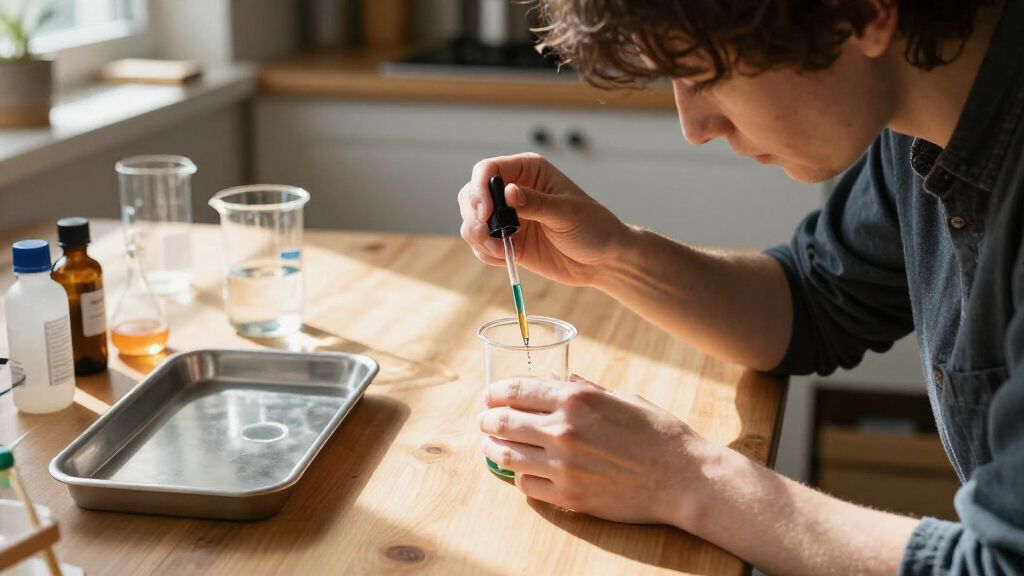
I ranked these kits for adults who want to learn through experiments, not simply buy a science-themed activity. That means I gave weight to subject depth, experiment variety, instructional support, and the practical demands of the equipment. A kit earns a higher place when it gives an adult enough structure to start while leaving room to build understanding beyond a single demonstration.
I also compared how each set fits a different level of commitment. The C2000 leads because it has a broad chemistry program, real lab gear, and 250 activities without reaching the scale of the C3000. The C3000 follows for its stronger long-term scope, but its extensive components and supervision needs make it less approachable as a default choice. The C1000 is ranked as a beginner-friendly chemistry entry, while the Genetics & DNA Lab ranks as a specialized pick: it can be the right choice for a biology-focused buyer, but it is not a substitute for a general chemistry kit.
Safety and audience fit matter because the listed age ranges are aimed at children and teens, not adults. I do not treat those labels as a measure of adult suitability; instead, they signal that the manuals and activities are designed to teach foundational concepts. The chemistry products state that adult supervision is needed, and their real equipment and chemicals call for careful handling. I also distinguish the safety standard stated for the three chemistry sets from the DNA kit’s supplied information, which does not list that standard.
Finally, I kept the comparison grounded in the supplied product details. Experiment counts show breadth, but they do not by themselves prove that every activity will be equally challenging or reusable. For adult buyers, the best match depends on whether the goal is a structured chemistry curriculum, an easier introduction, or a concentrated exploration of genetics.
Factors to Consider When Choosing Science Experiment Kits For Adults
For an adult, the right kit is less about the age printed on the box and more about the subject you want to study and the amount of lab work you are ready to manage. The three chemistry sets form a clear progression in breadth, while the Genetics & DNA Lab follows a separate, focused biology path. I would match the kit to your learning goal before comparing experiment counts.
Choose breadth or a focused subject
If you want to move between several chemistry topics, start with the C2000 or C3000. The C2000 covers 250 experiments and topics such as oxidation, neutralization, electrochemistry, and chromatography. The C3000 reaches 333 activities and explicitly includes inorganic, organic, and electrochemistry. The difference is not simply a larger count: the C3000 asks for a deeper commitment, while the C2000 gives most buyers a substantial program with less scope to organize.
The Genetics & DNA Lab serves a different purpose. It has just 20 listed experiments, but those are centered on DNA, heredity, and chromosomes. If your aim is to understand genetics through activities such as isolating tomato DNA and constructing a model, the smaller count is not a weakness in the same way it would be for a chemistry course. It is the wrong choice only when you expect a general science curriculum.
Match the learning curve to your background
Adults returning to science after years away may prefer the C1000’s introductory structure. Its 125 experiments and 80-page manual give a clear starting point, and its smaller scope can make it easier to begin. That approach is less suited to someone who already knows basic lab technique or wants advanced chemistry coverage. In that case, the C2000 offers a more substantial middle ground, and the C3000 is the choice for a buyer seeking the broadest program.
Do not assume that an adult audience means advanced explanations. These products are marketed for children and teens, so the instruction may be foundational. That can be helpful if you want guided, self-paced learning, but it may not satisfy a reader seeking university-level theory, independent research, or open-ended experimentation. Consider the manual’s role: it is a teaching guide, not a full textbook or a substitute for formal lab training.
Look beyond experiment counts
Experiment totals give a rough sense of how much activity is outlined, but they do not tell you how varied, repeatable, or demanding each experiment will be. Compare the count with the manual length, topic range, and included materials. The C3000 has the longest manual and widest chemistry scope; the C2000 combines a substantial activity list with a more moderate setup; the C1000 has fewer experiments and fewer chemicals; the DNA kit offers a shorter but more specialized sequence.
Also think about what happens after the first set of activities. The C1000 description notes that additional supplies may be needed for extended use, and the C2000 lists 13 chemicals. A large number of instructions does not automatically mean the same materials can support endless repeats. If you plan to revisit experiments, read the manual and component details to understand any consumables or extra household materials involved.
Treat equipment and safety as part of the decision
Real laboratory equipment makes these sets more engaging, but it also changes the practical demands. The chemistry options include glassware and chemicals, and the C2000 description specifically includes an alcohol burner; the C3000 description also references a burner. The product information calls for adult supervision for the chemistry kits. That remains relevant when the buyer is an adult: you still need a suitable workspace, careful procedure, and responsible storage and handling.
The three chemistry kits list the EN 71-4 safety standard. That is useful information, but it should not be read as permission to ignore instructions or precautions. The Genetics & DNA Lab lists components such as a petri dish and activities involving agar, but its supplied details do not name a safety standard. Review the included manual and materials before selecting a kit, especially if your workspace or comfort with lab handling is limited.
Decide how much setup you want
More equipment can make an experiment feel closer to lab practice, but it also means more sorting, cleaning, and storage. The C3000’s 103 pieces and extensive activity plan make it the most involved option. The C2000 still includes a broad array of lab tools, while the C1000 is a smaller chemistry entry. The DNA Lab has a distinct collection of components, but fewer experiments and a tightly defined subject.
If you have room to keep a kit organized and want to revisit it over time, the C3000 may justify its extra complexity. For a first purchase, the C2000 is a more balanced way into equipment-based chemistry. If your available space, time, or interest is limited, choose the C1000 or DNA Lab based on subject rather than buying the largest assortment by default.
Use the adult age range as a clue, not a verdict
The listed age guidance runs from 10+ to 12+ for the chemistry products and 10–16 for the DNA Lab. Those labels describe the intended youth audience; they do not guarantee that every adult will find the material challenging. A curious adult beginner may appreciate the clear instructions and foundational pace, while someone with prior lab experience may find the C1000 or DNA set too introductory.
My practical rule is to choose by the kind of learning you want next: start with the C1000 for approachable chemistry, pick the C2000 for a broad but manageable chemistry course, move to the C3000 for greater range, or choose the DNA Lab for a concentrated genetics project. If you need advanced theory or professional lab practice, none of these should be treated as a replacement for a textbook course or supervised laboratory training.
Frequently Asked Questions
Which kit is best for an adult who is new to chemistry?
I would start with the Chem C1000 if you want the most approachable chemistry option, since its 125 experiments and 80-page illustrated manual introduce foundational work. If you already know you want a longer curriculum, the C2000 is a stronger step up: it doubles the listed experiment count and covers more topics. The right choice depends on whether you value a gentler start or more room to keep studying.
Is the Chem C3000 a better choice than the C2000?
It is better for an adult who wants the broadest chemistry scope, with 333 experiments, 103 pieces, and a 192-page manual. The C2000 is a better fit for many beginners because it still offers 250 activities and substantial equipment in a less expansive program. I would choose the C3000 for a sustained chemistry project and the C2000 for a balance of depth and manageability.
Can these kits replace an adult chemistry course?
No. These kits offer guided activities and useful hands-on introductions, but their age ranges and manuals indicate foundational learning rather than a full adult course. The C2000 and C3000 provide the most chemistry breadth in this comparison, yet neither replaces formal instruction, advanced theory, or supervised professional lab training. They make more sense as structured home learning or as a practical supplement.
Which option is best if I am interested in DNA rather than chemistry?
The Genetics & DNA Lab is the direct match. Its 20 experiments focus on DNA, heredity, and chromosomes, including tomato DNA isolation and a DNA model. It does not offer the breadth of the chemistry sets, so I would not choose it as a general science kit. Pick it when a focused biology project matters more than a long list of chemistry activities.
What should I know about safety before choosing a kit?
The chemistry kits include chemicals and real equipment, and their product details call for adult supervision; the C2000 also lists an alcohol burner. All three chemistry sets state the EN 71-4 safety standard, but that does not replace careful reading of the manual and responsible handling. The DNA Lab’s supplied details include items such as a petri dish and agar-related activities but do not list a safety standard, so review its instructions before starting.
Conclusion
For most adults beginning hands-on chemistry, I recommend the Chem C2000: it gives a broad activity range and real equipment without the C3000’s larger organizational commitment. Choose the C3000 if chemistry is a serious ongoing interest and you want the most extensive scope in this lineup. The C1000 makes the most sense for a beginner who wants a smaller, foundational starting point, while the Genetics & DNA Lab is the clear choice for someone more interested in heredity and DNA than chemistry.
Before deciding, match the kit to your available space and comfort with lab procedures. The chemistry sets involve chemicals and equipment that require careful handling; their listed safety standard is not a substitute for following instructions. For adults who want guided learning rather than formal lab training, the best kit is the one whose subject, scope, and setup demands you will genuinely want to return to.
Halloween Picks
halloween
As an affiliate, we earn on qualifying purchases.