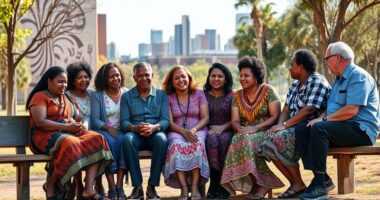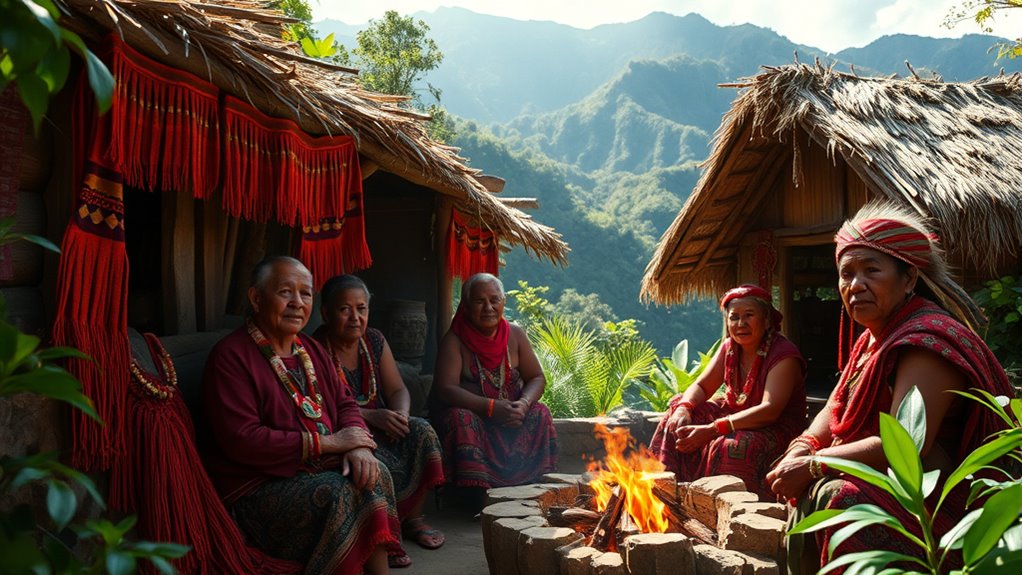

UNDRIP provides a global standard that supports your rights as an Indigenous person by emphasizing cultural preservation, sovereignty, and self-determination. It encourages governments to actively engage with Indigenous communities, respecting their unique traditions and governance. The framework promotes legal reforms that protect land rights and foster mutual trust. By following UNDRIP, you help guarantee Indigenous identities and cultures are safeguarded now and for future generations. To understand how UNDRIP achieves this, explore further details below.
Key Takeaways
- UNDRIP establishes international standards supporting Indigenous peoples’ cultural preservation, self-determination, and sovereignty worldwide.
- It emphasizes the importance of active, participatory engagement of Indigenous communities in governance processes.
- The framework promotes legal reforms to recognize land rights and protect Indigenous traditions and customs.
- UNDRIP fosters trust, cooperation, and respect between governments and Indigenous populations globally.
- It serves as a guiding document to ensure the protection and promotion of Indigenous rights and cultural heritage.
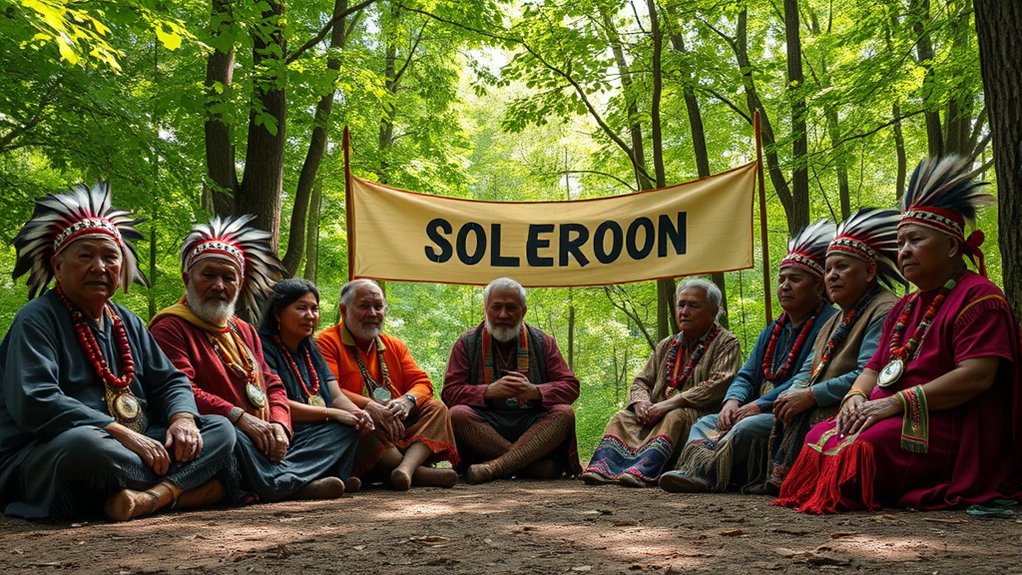
Have you ever wondered how countries recognize and protect the rights of Indigenous peoples? The United Nations Declaration on the Rights of Indigenous Peoples (UNDRIP) provides a essential framework that helps guide this process. It emphasizes the importance of cultural preservation, making sure that Indigenous communities can maintain their languages, traditions, and customs without interference. By acknowledging the significance of cultural identity, UNDRIP aims to prevent the erosion of Indigenous ways of life in the face of globalization and modernization. This focus on cultural preservation is fundamental because it affirms Indigenous peoples’ unique heritage and fosters respect for their diversity.
UNDRIP emphasizes cultural preservation to protect Indigenous languages, traditions, and customs from globalization and modernization impacts.
Sovereignty recognition is another key element of UNDRIP, reinforcing Indigenous peoples’ right to govern themselves. It affirms their authority to make decisions about their land, resources, and social policies without external control. This recognition isn’t just about legal acknowledgment; it’s about respecting their inherent right to self-determination. When a country recognizes Indigenous sovereignty, it validates their status as distinct peoples with their own systems of governance and cultural practices. This fosters a sense of autonomy and empowerment, which are essential for addressing historical injustices and promoting equitable relationships.
Implementing UNDRIP’s principles involves more than just signing declarations or passing laws. It requires governments to actively engage with Indigenous communities, listening to their concerns and incorporating their perspectives into policymaking. This participatory approach helps make sure that Indigenous voices are heard and their rights are genuinely protected. It also encourages the development of legal frameworks that recognize Indigenous land rights, cultural practices, and governance structures. By doing so, nations can work toward reconciling their legal systems with Indigenous worldviews, creating a more inclusive society.
Furthermore, respecting Indigenous sovereignty and cultural preservation through UNDRIP can lead to tangible benefits, like improved social and economic conditions for Indigenous communities. When their rights are acknowledged and upheld, communities can thrive, preserving their traditions while participating more fully in national development. It also helps build trust between governments and Indigenous peoples, fostering cooperation and mutual respect. Recognizing Indigenous rights ensures that their unique identities are preserved and celebrated for generations to come.

Preservation of an African Indigenous Language: The Diary of Edo Language Day Worldwide
As an affiliate, we earn on qualifying purchases.
As an affiliate, we earn on qualifying purchases.
Frequently Asked Questions
How Does UNDRIP Impact Non-Indigenous Communities?
You benefit from UNDRIP because it promotes cultural preservation and encourages social integration, fostering a more inclusive society. By respecting indigenous rights, you help create harmony and understanding among diverse communities. This framework encourages non-indigenous communities to recognize indigenous cultures, traditions, and land rights, which ultimately strengthens social cohesion. Embracing these principles can lead to richer cultural exchanges and a more equitable society for everyone involved.
Are There Legal Consequences for Countries Not Complying With UNDRIP?
Think of UNDRIP as a guiding star, but not all countries follow its light. While it doesn’t have direct legal enforcement, ignoring its principles can lead to sovereignty challenges and diplomatic friction. Countries may face international criticism, damage their reputation, or face pressure to change policies. So, if you neglect UNDRIP, you risk weakening your sovereignty and falling into a web of legal and diplomatic consequences that can hinder progress and trust.
How Are Indigenous Voices Included in UNDRIP Implementation?
You are involved in guaranteeing Indigenous voices are included in UNDRIP implementation through active community engagement and Indigenous participation. Countries are encouraged to consult with Indigenous communities, listen to their needs, and incorporate their input into policies. This participatory approach helps uphold their rights, fosters trust, and ensures that Indigenous people have a meaningful role in decision-making processes affecting their lands, cultures, and futures.
What Funding Is Available to Support Indigenous Rights Initiatives?
You can access funding sources like international grants, government programs, and NGO-supported initiatives to support indigenous rights. Many grant programs are specifically designed to empower indigenous communities, offering financial aid for cultural preservation, legal advocacy, and land rights projects. By applying to these opportunities, you can secure the resources needed to advance indigenous rights initiatives effectively, ensuring their voices are heard and their needs addressed through sustainable, targeted funding.
How Does UNDRIP Address Conflicts Over Land and Resources?
Think of UNDRIP as a bridge over turbulent waters, helping resolve land and resource conflicts. It emphasizes respecting indigenous land sovereignty and involving communities in resource management decisions. You’re encouraged to recognize indigenous peoples’ traditional connections to their lands, ensuring fair negotiations. By prioritizing their rights and promoting shared stewardship, UNDRIP aims to reduce disputes and foster peaceful coexistence, turning conflicts into opportunities for mutual respect and sustainable development.

Fun Express 96 Pieces Native American Gifts Heritage Handout Kit – Educational Native American Crafts for Kids Classroom Activities | Teacher Kit for Kids with Bookmarks, Pencils & Slap Bracelets
Celebrate Native American Heritage Month with this comprehensive 96-piece educational handout kit featuring culturally inspired designs perfect for…
As an affiliate, we earn on qualifying purchases.
As an affiliate, we earn on qualifying purchases.
Conclusion
By embracing UNDRIP, you empower indigenous communities and promote justice worldwide. Some might say it’s too idealistic or hard to implement, but history shows that change begins with awareness and action. When you support these rights, you’re helping to correct centuries of marginalization, fostering respect and equality. So, don’t let doubts hold you back—stand with indigenous peoples, and together, you can make a meaningful difference for future generations.

Framed Indigenous Rights Awareness Poster Canvas Print Art Vintage Minimalist Aesthetic Wall Art Painting Pictures Wall Decor Stunning Home Decor for Office Living Room Bedroom Wall Decoration Art (Retro frame,12L"X16W")
Versatile Wall Art Decor: This framed poster print enhances empty walls with artistic flair, blending seamlessly with modern,…
As an affiliate, we earn on qualifying purchases.
As an affiliate, we earn on qualifying purchases.
UNDRIP informational brochure
As an affiliate, we earn on qualifying purchases.
As an affiliate, we earn on qualifying purchases.