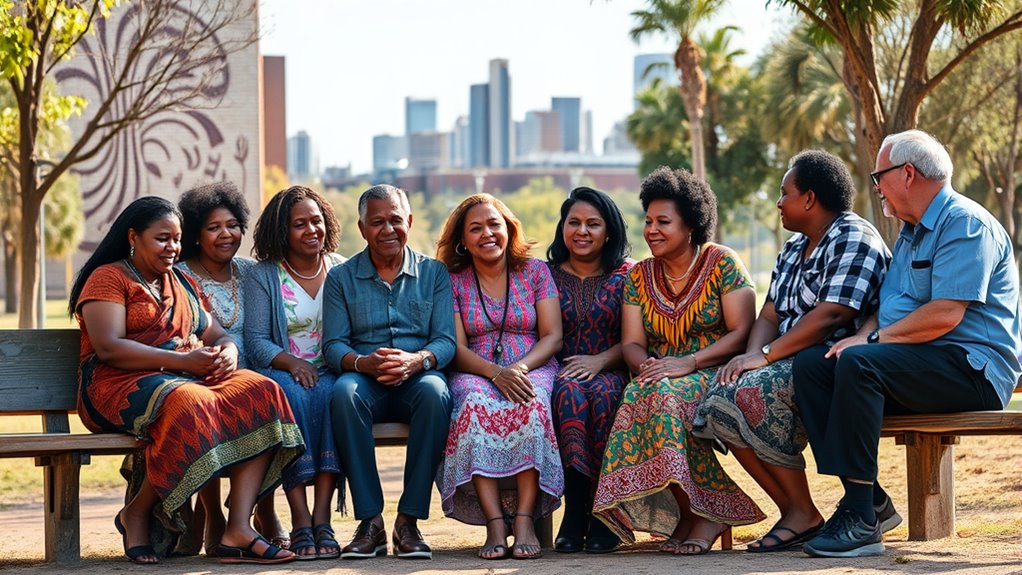

Reconciliation policies have developed considerably since Paul Keating’s powerful 1992 Redfern Speech, which acknowledged Australia’s colonial past and the need to address Indigenous injustices. Today, efforts focus on implementing systemic change, including land rights, health, education, and legal reforms, aiming for genuine recognition and equality. While progress varies, ongoing commitment from governments and communities continues to shape these policies. To understand how these initiatives have evolved and what challenges remain, there’s more to explore.
Key Takeaways
- Keating’s Redfern Speech in 1992 marked a pivotal moment, emphasizing acknowledgment of past injustices as a foundation for reconciliation.
- Reconciliation policies have expanded from symbolic gestures to include legal reforms, education, health, and cultural preservation initiatives.
- Effective implementation remains challenging due to bureaucratic hurdles, political resistance, and the need for genuine Indigenous community engagement.
- Progress is uneven across regions and sectors, requiring ongoing commitment, transparency, and participatory approaches.
- Long-term reconciliation depends on translating policies into tangible improvements, respecting Indigenous sovereignty, and fostering societal unity.
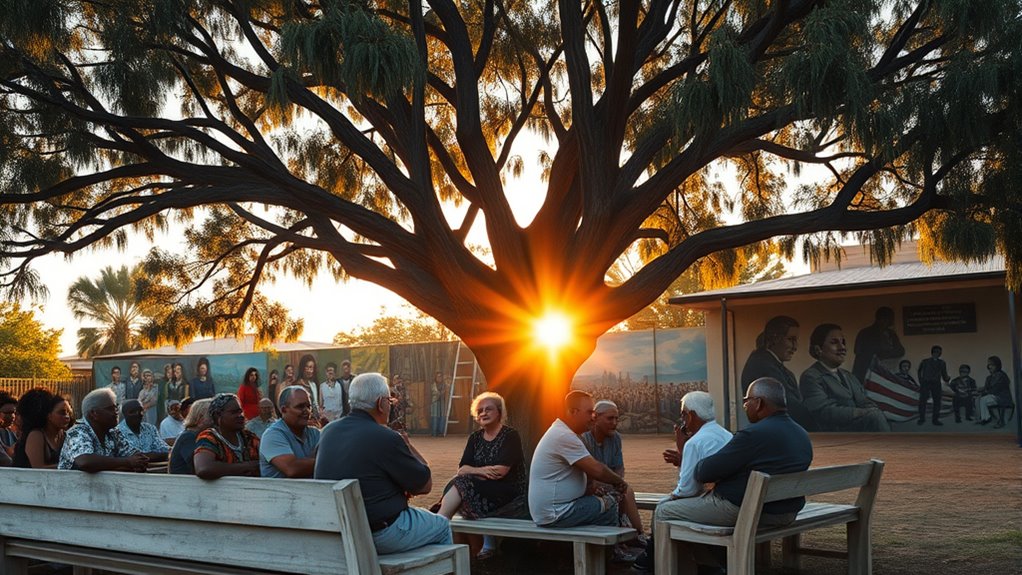
Reconciliation policies are essential tools governments use to address past injustices and foster national unity. When it comes to Indigenous recognition, these policies serve as a crucial step toward acknowledging the history and contributions of Indigenous peoples. You might see this recognition reflected in official apologies, legal reforms, or symbolic gestures aimed at repairing relationships. The success of reconciliation depends heavily on effective policy implementation—ensuring that commitments translate into tangible actions, not just words. As you examine the evolution of these policies, you’ll notice that genuine Indigenous recognition involves more than surface-level acknowledgments; it requires structural change and ongoing engagement with Indigenous communities.
Back in the 1990s, leaders like Paul Keating made significant strides with speeches like the Redfern Address, emphasizing the importance of acknowledging historical injustices. Keating’s speech marked a turning point, urging Australians to confront their collective past and recognize Indigenous peoples’ suffering. This moment underscored that reconciliation isn’t just about symbolic gestures but about meaningful policy shifts that address systemic inequalities. Governments responded by initiating policies aimed at Indigenous recognition, such as land rights reforms and cultural preservation initiatives. However, you should be aware that policy implementation can be complex, often hampered by bureaucratic hurdles or political resistance. Effective recognition requires persistent effort to ensure that these policies reach Indigenous communities, respect their sovereignty, and promote genuine inclusion.
Over time, reconciliation policies have expanded to encompass various domains, including education, health, and legal rights. Yet, progress remains uneven, and challenges persist. You might notice that while some policies are well-intentioned, their execution falls short of delivering long-term benefits. For instance, land rights claims may be recognized on paper but face delays or resistance in practice. To truly advance Indigenous recognition, governments need to prioritize policy implementation that is participatory, transparent, and accountable. This means engaging Indigenous leaders early in the process, respecting their expertise, and ensuring that policies are aligned with their needs and aspirations. Additionally, understanding the importance of policy effectiveness can help in assessing long-term impacts and ensuring genuine progress.
Today, reconciliation continues to evolve, with a focus on building relationships rooted in respect and justice. You’re encouraged to see it as an ongoing effort, one that demands persistent commitment from governments and society alike. It’s about transforming recognition from symbolic acts into concrete improvements in Indigenous peoples’ lives. As you follow this journey, remember that policy implementation is key—only through dedicated, inclusive action can reconciliation truly become a reality, addressing past injustices and shaping a more equitable future for all Australians.

You Are On Native Land: A Charity Comic for Indigenous Rights
As an affiliate, we earn on qualifying purchases.
As an affiliate, we earn on qualifying purchases.
Frequently Asked Questions
How Have Reconciliation Policies Evolved Since Keating’s Speech?
Since Keating’s speech, reconciliation policies have evolved to emphasize cultural recognition and land rights. You now see more efforts to acknowledge Indigenous cultures through formal apologies and recognition initiatives. Governments have also strengthened land rights, returning land and supporting native title claims. These changes reflect a shift from symbolic gestures to concrete actions that respect Indigenous identities, rights, and contributions, fostering genuine reconciliation and fostering a more inclusive society.
What Role Do Indigenous Communities Play in Shaping Policies?
You might think policymakers lead the way, but Indigenous communities actually shape policies through community empowerment and cultural preservation. Ironically, it’s often their voices that are overlooked, yet their active participation guarantees policies reflect true reconciliation. By advocating for their rights and traditions, Indigenous communities drive meaningful change, reminding us that genuine reconciliation depends on respecting their leadership and preserving their rich cultural heritage.
Are Current Policies Effectively Addressing Historical Injustices?
Current policies aren’t fully effective in addressing historical injustices because they lack exhaustive truth acknowledgment. You need to see genuine progress through initiatives that openly recognize past wrongs, fostering trust and healing. When policies incorporate truth acknowledgment, they become more effective, empowering indigenous communities and ensuring their voices shape the future. Without this, efforts remain superficial, and injustices persist, hindering true reconciliation and meaningful change.
How Do Reconciliation Efforts Impact National Identity?
Reconciliation efforts shape your national identity by fostering cultural integration and honoring collective memory. When you participate in acknowledging past injustices, you help build a more inclusive society. These initiatives encourage you to understand diverse perspectives, strengthening national unity. By embracing reconciliation, you contribute to a shared sense of identity rooted in respect and understanding, which ultimately defines your nation’s character and promotes a more cohesive, empathetic community.
What Challenges Hinder the Implementation of Reconciliation Initiatives?
You know what they say, “Rome wasn’t built in a day.” Cultural barriers and funding limitations hinder reconciliation initiatives because they slow progress and create gaps in understanding and resources. These challenges make it hard to foster genuine dialogue and long-term commitment. Overcoming these obstacles requires persistent effort, increased investment, and breaking down stereotypes to truly advance reconciliation efforts.
Reconciliation policy educational kits
As an affiliate, we earn on qualifying purchases.
As an affiliate, we earn on qualifying purchases.
Conclusion
As you reflect on reconciliation policies, think of them as a journey along a winding path. Each step, from Keating’s Redfern speech to today, builds bridges over past divides. While progress may seem slow, every effort adds a stone to the foundation of understanding. Keep walking forward, knowing that unity is a garden you nurture with patience and compassion. Together, you can transform the landscape into a place where everyone’s story can flourish.
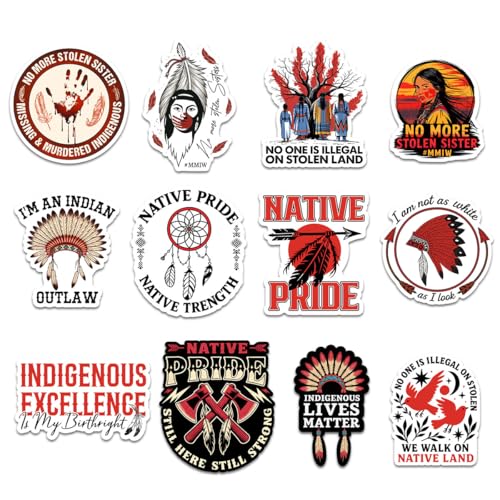
12 Pcs Indigenous Awareness Sticker, Native Pride Vinyl Decals, MMIW Advocacy and Activism Stickers, Waterproof for Laptops, Water Bottles, Notebooks, Gifts for Indigenous Peoples Day (3 inches)
Material: Vinyl-cut Sticker
As an affiliate, we earn on qualifying purchases.
As an affiliate, we earn on qualifying purchases.

Dark Emu: Aboriginal Australia and the birth of agriculture
As an affiliate, we earn on qualifying purchases.
As an affiliate, we earn on qualifying purchases.