When conducting night-time surveys, prioritize safety by using reliable equipment, maintaining clear communication, and staying alert to hazards like wildlife and unstable terrain. Practice light discipline by turning off unnecessary lights and using focused, low-impact illumination to protect wildlife and cultural sites. Respect country by following indigenous protocols, engaging local knowledge, and avoiding sacred or sensitive areas. Staying prepared and mindful guarantees you conduct ethical, safe, and respectful fieldwork, with more valuable tips available if you keep exploring.
Key Takeaways
- Implement light discipline by using low-intensity, directional lights to minimize wildlife disturbance and ecological impact.
- Conduct thorough hazard assessments and maintain proper equipment calibration for safe navigation in low visibility.
- Follow cultural protocols and engage with Indigenous communities to respect land and sacred sites during night surveys.
- Ensure clear communication, regular check-ins, and emergency procedures to enhance team safety in darkness.
- Minimize artificial light use and avoid unnecessary illumination to protect wildlife and preserve country integrity.

Celestron – Night Vision Headlamp – Multiple Light Modes – Includes SOS Setting – Ideal for Astronomy and Camping – 100 Hours of Usage – 45° Adjustable Angle
PROTECT YOUR NIGHT VISION: Preserve your eyes’ dark adaptation while navigating your environment safely with this red-only LED…
As an affiliate, we earn on qualifying purchases.
As an affiliate, we earn on qualifying purchases.
Why Night-Time Surveys Need Special Safety Precautions
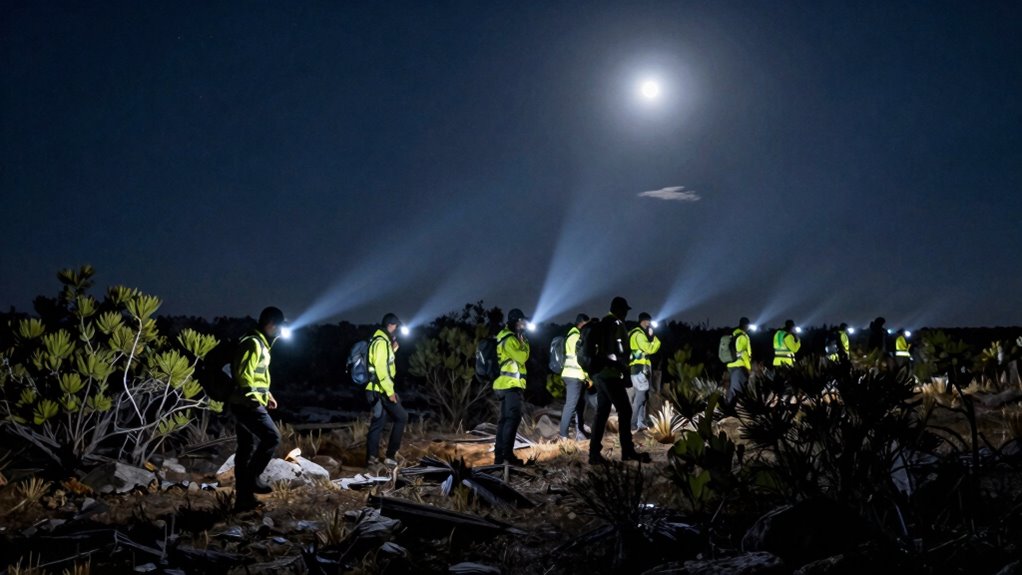
Night-time surveys pose unique safety challenges because visibility is limited, making it harder to spot hazards or navigate unfamiliar terrain. You need to be especially cautious of wildlife interactions, which can occur suddenly and unpredictably in low light. Proper equipment calibration becomes critical to ensure your devices function accurately, helping you identify potential dangers and avoid missteps. Misaligned or improperly calibrated equipment can lead to misinterpretation of signals or environmental cues, increasing risk. Additionally, wildlife may be more active at night, heightening the chance of encounters. To stay safe, you must double-check your gear’s calibration, remain alert for unexpected animal movements, and plan your route carefully. Implementing light discipline techniques can further reduce your visibility to wildlife and enhance safety during your survey. Practicing consistent gear maintenance ensures your safety equipment remains reliable throughout your nocturnal activities. These precautions are essential to protect yourself and respect the environment during nocturnal fieldwork. Furthermore, paying attention to environmental conditions can help you better anticipate and respond to potential hazards during night-time surveys. Being aware of local wildlife behavior patterns can also improve your safety and understanding of the ecosystem you’re working in. Engaging in proper planning also allows you to adapt to changing weather and terrain, minimizing risks.

TOUGHSOUL Hunting Flashlight Red Light, Low Profile Mlok Picatinny Mounted Portable Flashlight for Coyote Hog Varmint Night Hunt
Dual control switch design: one click to 50% brightness, so you can save the battery energy.
As an affiliate, we earn on qualifying purchases.
As an affiliate, we earn on qualifying purchases.
How to Prepare Your Equipment and Team for Nocturnal Fieldwork

Before heading out at night, you need to double-check that all your equipment is in top shape and functioning properly. Make sure your team is clear on safety protocols and has reliable communication devices. Proper preparation guarantees your survey runs smoothly and everyone stays safe. Additionally, understanding the importance of high-quality projectors can help in planning visual aids or displays that enhance communication and safety during nocturnal surveys. Ensuring that your team is familiar with piercing care and hygiene protocols can also reduce risks associated with equipment handling and personal safety in field conditions. Incorporating emotional needs awareness into your planning can improve team cohesion and resilience during challenging night operations. Recognizing the significance of security protocols can further safeguard data collection and team members in sensitive environments. Being aware of privacy policies related to data collection during surveys can help maintain ethical standards and trust with local communities.
Equipment Checks and Maintenance
Proper equipment checks and maintenance are essential to guarantee your team is prepared for nocturnal fieldwork. Start by verifying that all gear, including lights, GPS devices, and measuring tools, are properly calibrated to ensure accurate readings. Regular calibration prevents errors during surveys and maintains data integrity. Follow strict maintenance schedules for your equipment, inspecting batteries, seals, and connectors to prevent failures in the field. Clean lenses and sensors to maximize visibility and functionality. Keep spare batteries, bulbs, and essential parts on hand to avoid interruptions. Document all maintenance activities systematically to track equipment performance. Well-maintained gear minimizes risks and helps your team work efficiently and safely during the night. Proper preparation ensures you’re ready for any challenges that may arise. Additionally, regularly reviewing equipment performance can help identify potential issues before they become critical. Incorporating routine light discipline checks can further enhance safety and operational efficiency during nocturnal surveys. Regularly updating your maintenance protocols ensures that your procedures stay current with evolving technology and field conditions. Conducting pre-survey equipment checks routinely can further reduce the likelihood of unexpected failures during critical moments.
Team Safety and Communication
To guarantee your team stays safe and communicates effectively during nocturnal fieldwork, thorough preparation of both equipment and personnel is essential. Clear team coordination ensures everyone knows their roles, signals, and emergency protocols. Make sure each member has a flashlight, radio, and first aid kit, and that communication devices are tested beforehand. Establish a check-in schedule and designated signals for emergencies to prevent confusion. Use the following table to clarify your safety plan:
| Role | Communication Method | Emergency Protocols |
|---|---|---|
| Team Leader | Radio/Verbal | Evacuate, first aid, call for help |
| Field Staff | Hand signals/Radio | Seek shelter, alert leader |
| Support Crew | Phone/Radio | Monitor, assist as needed |
| Backup Team | Radio/Signal Light | Standby for rapid response |
Proper planning enhances team safety and ensures swift, coordinated responses during night surveys.
9" GPS Navigator for Car Truck RV, GPS Navigation System with 2026 Maps Free Lifetime Updates, Custom Truck Routing, Speed Camera Alerts, Day/Night Mode (Blue)
【2026 Lifetime Free Map Updates】This premium car GPS comes preloaded with the latest maps for North America (United…
As an affiliate, we earn on qualifying purchases.
As an affiliate, we earn on qualifying purchases.
Essential Safety Tips for Conducting Night Surveys

When conducting night surveys, your safety depends on simple precautions. Wearing reflective gear, using proper lighting, and maintaining clear communication help keep everyone visible and connected. These tips are essential for a safe and successful night-time fieldwork. Additionally, having reliable data storage and backup solutions ensures that your collected data remains secure and accessible after the survey. Implementing safety protocols and being aware of local regulations further enhance the safety of all participants. Incorporating proper equipment maintenance can also prevent unexpected failures during your survey activities. Regularly reviewing risk assessment procedures can help identify potential hazards before starting your survey. Recognizing environmental conditions is also crucial to adapt safety measures appropriately.
Wear Reflective Gear
Wearing reflective gear is crucial for your safety during night surveys, as it makes you visible to others in low-light conditions. Make certain you wear high-visibility clothing, such as reflective jackets or vests, to enhance your visibility. Your visibility gear should be bright and easily recognizable from a distance, especially in areas with moving vehicles or other survey teams. Avoid dark or dull clothing that can blend into the environment. Proper reflective clothing helps prevent accidents by alerting others to your presence. Always check that your visibility gear is in good condition, with reflective strips intact and functioning. Using high-quality reflective materials can significantly improve visibility in various lighting conditions. Additionally, understanding the effectiveness of reflective gear can help you select the most suitable options for different environments. Incorporating research-backed safety standards ensures your gear meets proven criteria for visibility and durability. By wearing the right reflective clothing, you considerably reduce the risk of accidents and ensure you remain safe while conducting night surveys. Utilitarian Thinkers’ Declarations
Use Proper Lighting
Using proper lighting is essential for your safety during night surveys, as it guarantees you can see your surroundings clearly and are visible to others. It’s important to follow lighting ethics by avoiding excessive or intrusive illumination that could disturb wildlife or nearby communities. Use focused, low-impact lights to minimize light pollution and respect cultural sensitivity, especially when working near Indigenous lands or culturally significant sites. Make sure your lighting is reliable and appropriate, avoiding bright, blinding beams that could compromise your night vision or disturb the environment. Proper lighting not only safeguards you but also demonstrates respect for the land and its cultural significance. Always assess your lighting needs carefully and use equipment that supports ethical and culturally sensitive survey practices.
Maintain Clear Communication
Clear communication is essential for guaranteeing safety and coordination during night surveys. Using reliable radio communication allows you to stay connected with your team at all times, especially in low visibility conditions. Establish clear protocols for reporting your location, progress, and any hazards encountered. Regular check-ins help maintain team coordination and ensure everyone’s safety. Keep radio channels open and use concise, standardized language to avoid misunderstandings. Make sure all team members know how to operate communication devices properly before heading out. If someone is out of contact for a set period, initiate a predefined emergency procedure. Maintaining clear communication minimizes risks, keeps your team synchronized, and helps you respond quickly to any unforeseen situations during your night survey.
indigenous protocol guide for fieldwork
As an affiliate, we earn on qualifying purchases.
As an affiliate, we earn on qualifying purchases.
Using Light Discipline to Protect Wildlife and Cultural Heritage

Have you ever considered how artificial lights at night can harm wildlife and damage cultural sites? Using light discipline helps protect these precious resources. Bright lights can cause wildlife disturbance, startling animals and disrupting their natural behaviors. For cultural sensitivities, unnecessary lighting can damage ancient sites and disturb sacred spaces. To minimize impact, consider these tips:
- Use low-intensity, directional lights to limit light spill
- Turn lights off when not actively surveying
- Stick to pre-approved lighting plans that respect cultural and ecological needs
Navigating and Communicating Effectively in the Dark

Moving through and communicating effectively in the dark requires careful planning and awareness. You need to rely on visual signaling methods, such as reflective gear or hand signals, to stay coordinated with your team. Nocturnal navigation depends on familiar landmarks, compass use, and natural cues to avoid disorientation. Keep your movements deliberate and predictable to ensure others can follow your lead without confusion. Use your voice sparingly and clearly, establishing simple signals or codes for communication. Regular check-ins help confirm everyone’s position and intentions. Remember, maintaining awareness of your environment and your team’s signals enhances safety and efficiency. Effective navigation and communication in low-light conditions protect both your team and the land, ensuring the survey proceeds smoothly and respectfully.
Respectting Country and Cultural Protocols During Night Surveys
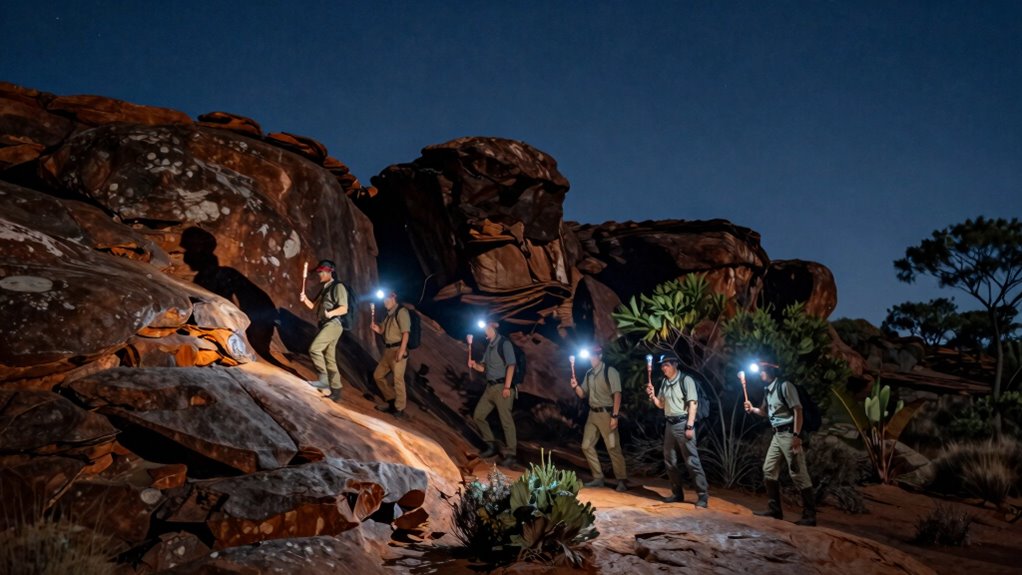
Respecting country and cultural protocols during night surveys is essential to honoring the land and its traditional owners. You demonstrate cultural sensitivity by understanding and respecting local customs, traditions, and expectations. It’s important to carry out a land acknowledgment before starting, recognizing the custodians of the land you’re on. This shows respect and helps build trust with the community.
Remember to:
- Engage with local Indigenous representatives if possible, to gain insights into appropriate protocols.
- Avoid disturbing sacred sites or culturally sensitive areas.
- Respect the land by minimizing your impact and leaving the environment undisturbed.
Managing Risks: Common Hazards in Night Surveys and How to Avoid Them
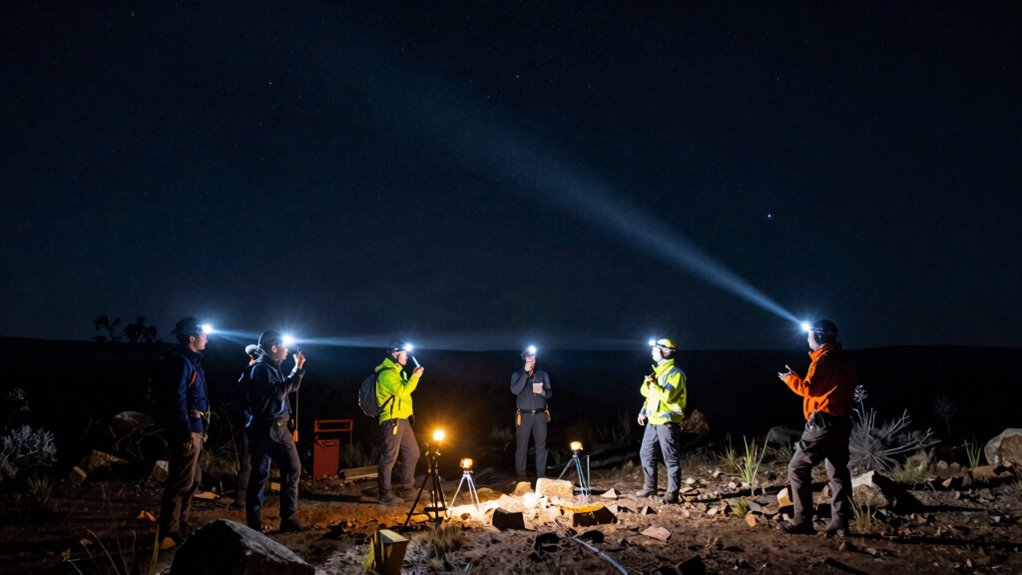
Night surveys pose several hazards that can compromise safety if not properly managed. To stay safe, you must focus on hazard identification—spotting potential dangers like uneven terrain, low visibility, or wildlife encounters. Once hazards are identified, risk mitigation strategies help reduce the chance of accidents. Use proper lighting, such as headlamps and torches, to improve visibility and avoid trips or falls. Maintain clear communication with your team and establish safety protocols. Be alert for environmental risks like unstable ground or water crossings. Regularly assess your surroundings and adapt your approach accordingly. By proactively identifying hazards and applying risk mitigation techniques, you minimize dangers and ensure a safer night survey experience for everyone involved.
Incorporating Local Knowledge and Indigenous Protocols
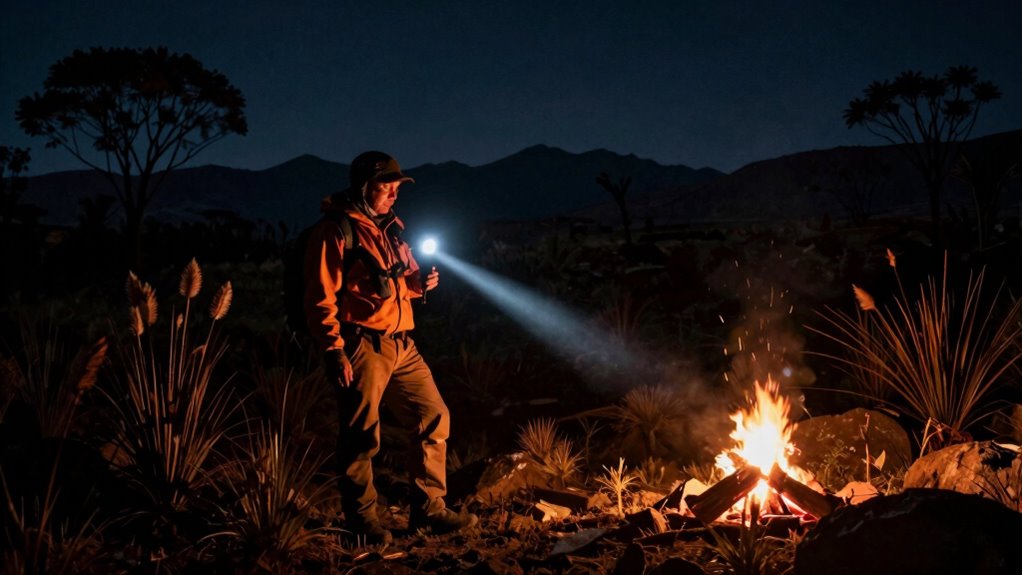
Incorporating local knowledge and Indigenous protocols enhances safety and effectiveness during night surveys by providing insights that might not be apparent through standard hazard assessments. By engaging with community members and respecting their traditions, you gain valuable context about the land, wildlife, and potential hazards. This understanding helps you navigate safely and builds trust with the community.
- Respect local customs and seek guidance on appropriate behaviors
- Listen carefully to elders and community leaders for specific protocols
- Use local knowledge to identify safe routes and avoid sensitive sites
Following Indigenous protocols and valuing local knowledge ensures your survey respects the country and improves safety outcomes. It fosters collaboration and demonstrates cultural sensitivity, essential for successful night-time fieldwork.
Post-Survey Responsibilities: Reporting and Respectful Data Handling

After completing your survey, it’s crucial to report your findings accurately and promptly to relevant authorities and communities. Ensure your data handling prioritizes data security, protecting sensitive information from unauthorized access. Follow ethical data collection practices by respecting the privacy of individuals and the cultural significance of the data. When sharing results, use clear, honest communication, avoiding misrepresentation or bias. Proper documentation of your methods and findings helps maintain transparency and accountability. Always store data securely and delete or anonymize personal details when appropriate. Respect for country and community relationships extends beyond the field, so handle all data with integrity. Your responsible reporting and respectful data management foster trust and uphold the principles of ethical research.
Frequently Asked Questions
How Can Night Surveys Minimize Disturbance to Nocturnal Wildlife?
You can minimize wildlife disturbance during night surveys by using red or infrared lights, which reduce light pollution and avoid startling nocturnal animals. Keep lights low and avoid shining directly into habitats, moving quietly to prevent noise disturbance. Planning surveys during less sensitive periods and limiting the duration also help protect wildlife. These steps make certain your activities have minimal impact on nocturnal creatures, preserving their natural behaviors and habitats.
What Are the Best Practices for Cultural Sensitivity During Nocturnal Fieldwork?
You should follow indigenous protocols and prioritize community engagement to guarantee cultural sensitivity during nocturnal fieldwork. Respect local customs, seek permission before starting surveys, and involve community members in planning. Listen actively, honor their knowledge, and adapt your practices accordingly. By building trust and understanding, you demonstrate respect for the country and its people, fostering positive relationships and ensuring your work aligns with cultural values.
How Do Weather Conditions Impact Safety and Survey Accuracy at Night?
Weather conditions can turn your night survey into a maze of hazards, like steering through a shadowy forest. Weather hazards and visibility challenges directly impact your safety and survey accuracy, making it harder to spot wildlife or landmarks. Rain, fog, or strong winds reduce visibility, increase the risk of accidents, and compromise data quality. Always check forecasts beforehand, plan for adverse conditions, and stay alert to guarantee safety and reliable results.
What Training Is Recommended for Team Members New to Night Surveys?
You should undergo thorough training that covers night safety, effective equipment handling, and situational awareness. Focus on understanding how to use lighting tools properly, maintain clear communication, and recognize potential hazards in low-light conditions. Practice safe navigation techniques and familiarize yourself with emergency procedures. This training ensures you can confidently perform night surveys while prioritizing safety, respecting the environment, and maintaining accuracy despite challenging visibility.
How Should Emergency Responses Be Managed During Overnight Field Operations?
Emergency responses during overnight field operations are vital, and you must act swiftly. Follow established emergency protocols precisely, ensuring everyone knows their roles. Maintain clear communication planning with radios or mobile phones to coordinate effectively. Stay calm, assess the situation, and prioritize safety. Remember, quick, organized action can be the difference between disaster and safety, so always be prepared and ready to adapt to unexpected situations.
Conclusion
As you plan your night-time surveys, remember that safety, respect, and awareness are your best tools. Every step you take under the cover of darkness holds the potential for discovery—and danger. Will you be ready to navigate unforeseen challenges and honor the land and its people? Stay vigilant, prepared, and respectful. The night has secrets waiting—are you prepared to uncover them safely and responsibly?