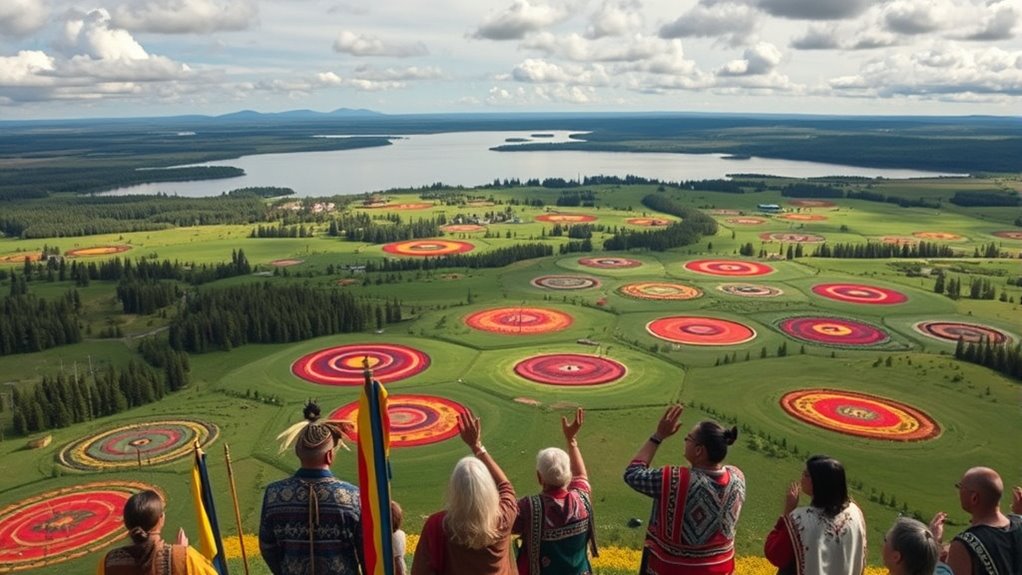

Land acknowledgment protocols have shifted from simple symbolic gestures to meaningful acts that recognize Indigenous peoples’ enduring connection to land. You’re encouraged to approach these acknowledgments with respect and understanding, emphasizing cultural significance and ongoing relationships. They are more than words—they serve as a foundation for reconciliation, honoring spiritual and community ties. By embracing this shift, you support tangible actions that honor Indigenous sovereignty. Keep exploring to discover how these protocols can create authentic change and respect.
Key Takeaways
- Develop clear, respectful guidelines that recognize Indigenous sovereignty and cultural protocols during land acknowledgment practices.
- Incorporate meaningful engagement with Indigenous communities to ensure authenticity and relevance in acknowledgments.
- Move beyond symbolic gestures by supporting Indigenous-led initiatives and tangible actions addressing land rights.
- Educate stakeholders on the historical and cultural significance of land to deepen understanding and respect.
- Regularly review and adapt protocols to reflect evolving relationships and ongoing commitments to reconciliation.
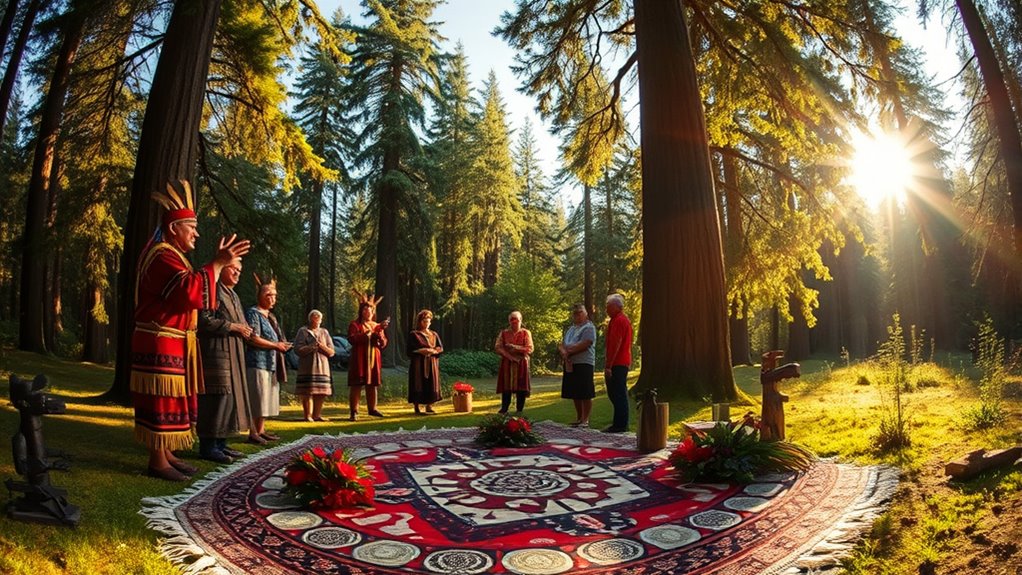
Land acknowledgment protocols are essential practices that recognize the enduring relationship between Indigenous peoples and their ancestral lands. When you participate in these acknowledgments, you’re not just paying lip service; you’re honoring a deep cultural significance rooted in centuries of history. Understanding the historical context behind these lands helps you see why acknowledgment is so crucial. Indigenous communities have stewarded these territories long before colonization, and their connection to the land is woven into their cultural identity. By acknowledging this, you respect their sovereignty and recognize the lasting impacts of historical injustices, including displacement and marginalization.
Recognizing Indigenous lands honors history, sovereignty, and cultural ties rooted in centuries of stewardship and resilience.
You might wonder why such protocols matter beyond being mere formalities. When you approach land acknowledgment with genuine intent, you’re contributing to a broader effort to address historical wrongs and foster reconciliation. It’s about more than words; it’s about acknowledging the stories, traditions, and ongoing relationships that Indigenous peoples maintain with their lands. This recognition can serve as a reminder of the resilience and significance of Indigenous cultures, which have persisted through centuries of colonization and suppression. Incorporating these acknowledgments into your routines signals your awareness of the ongoing legacy of colonization and your commitment to respecting Indigenous sovereignty. Additionally, understanding the cultural significance of land helps you appreciate why these protocols are more than symbolic gestures. For many Indigenous communities, land is sacred, representing life, ancestry, and community cohesion. When you recognize this, your acknowledgment becomes a meaningful act that honors their spiritual and cultural ties. It also encourages you to move beyond performative gestures toward tangible actions—such as supporting Indigenous-led initiatives, advocating for land rights, and fostering ongoing dialogue about sovereignty and cultural preservation.
In practicing land acknowledgment, you’re participating in a tradition that emphasizes respect, recognition, and humility. It’s an opportunity to educate yourself and others about the layered history embedded in the land, fostering a deeper connection and understanding. As you do so, you help shift the focus from mere symbolism to substantive respect and action. This process involves listening to Indigenous voices, learning their histories, and acknowledging the ongoing relationships they hold with these lands. Ultimately, meaningful land acknowledgment transforms from a simple statement into a powerful act of reconciliation and respect rooted in the cultural significance and historical context of Indigenous peoples’ enduring connection to the land. Recognizing the importance of cultural significance enriches your understanding and supports ongoing efforts toward reconciliation.
land acknowledgment guidebook
As an affiliate, we earn on qualifying purchases.
As an affiliate, we earn on qualifying purchases.
Frequently Asked Questions
How Do Land Acknowledgment Protocols Vary Globally?
You’ll notice land acknowledgment protocols vary globally based on cultural sensitivity and historical context. In some countries, acknowledgments are formal, rooted in legal or governmental traditions, while others focus on respectful recognition within community practices. You should consider local customs, history, and values to guarantee your acknowledgment is meaningful, authentic, and shows genuine respect. This approach helps transform symbolism into substance, fostering trust and understanding across diverse cultural landscapes.
What Training Is Recommended for Effective Land Acknowledgments?
Think of land acknowledgments as bridges that connect you to history and community. To build these bridges effectively, you should undergo cultural sensitivity training to understand indigenous perspectives deeply. Additionally, honing communication strategies will help you convey respect authentically. This training empowers you to approach land acknowledgments with sincerity, ensuring your words honor the land’s true significance. By doing so, you create meaningful connections that foster trust and understanding.
How Can Organizations Ensure Genuine Ongoing Relationships?
You can guarantee genuine ongoing relationships by prioritizing community engagement and practicing cultural sensitivity. Regularly connect with Indigenous communities, listen to their needs, and involve them in decision-making processes. Build trust through transparency, respect, and meaningful collaboration. Avoid tokenism by demonstrating your commitment beyond formal acknowledgments. By fostering authentic dialogue and honoring their perspectives, your organization creates lasting relationships rooted in mutual understanding and respect.
Are There Legal Implications for Land Acknowledgments?
Think of land acknowledgments as a bridge—you need to build it carefully. Yes, there are legal ramifications and liability concerns to contemplate. If your acknowledgment is seen as false or misleading, you could face legal challenges or damage your credibility. To avoid this, ensure your statements are accurate and sincere. Being transparent and respectful helps safeguard against legal issues and demonstrates genuine commitment, turning symbolism into meaningful action.
How Do Land Acknowledgments Impact Indigenous Communities?
Land acknowledgments impact indigenous communities by highlighting their cultural significance and fostering community engagement. When you actively participate in meaningful acknowledgments, you help honor their history and traditions, which can strengthen relationships and promote respect. This recognition encourages ongoing dialogue and collaboration, making indigenous voices more visible. Ultimately, your genuine efforts can contribute to healing, understanding, and supporting their sovereignty and cultural vibrancy within broader society.
Indigenous land recognition poster
As an affiliate, we earn on qualifying purchases.
As an affiliate, we earn on qualifying purchases.
Conclusion
So, here you are, reading about land acknowledgment protocols, thinking they’re just symbolic. Ironically, these gestures often hold more weight than actual change. If you truly want to honor Indigenous communities, maybe it’s time to go beyond words and take real action. Because, after all, acknowledging the land shouldn’t just be a checkbox—it should be the start of meaningful respect and genuine partnership, not just a fleeting performance.
cultural sensitivity training kit
As an affiliate, we earn on qualifying purchases.
As an affiliate, we earn on qualifying purchases.
Indigenous sovereignty educational materials
As an affiliate, we earn on qualifying purchases.
As an affiliate, we earn on qualifying purchases.