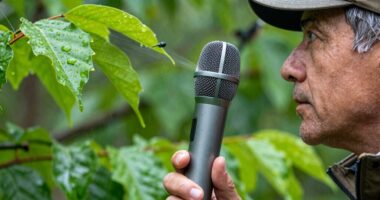
Community-based Landcare projects led by Indigenous communities showcase how traditional knowledge and cultural practices support successful conservation. By involving elders and community members, these projects foster a strong sense of stewardship and guarantee land management respects ecological and cultural values. Practices like controlled burning help prevent wildfires and maintain ecosystems. Supporting these initiatives strengthens environmental resilience and cultural heritage. Keep exploring to discover how Indigenous-led efforts continue to shape sustainable Landcare approaches.
Key Takeaways
- Indigenous-led Landcare projects utilize traditional practices like controlled burning to enhance ecosystem health and prevent wildfires.
- Community involvement and collaboration foster shared responsibility and strengthen cultural connections to land management.
- Integrating indigenous knowledge with modern science improves conservation outcomes and promotes ecological sustainability.
- Successful projects often include cultural activities that reinforce land stewardship and cultural heritage preservation.
- Supporting indigenous initiatives boosts environmental resilience while honoring cultural practices and fostering community ownership.
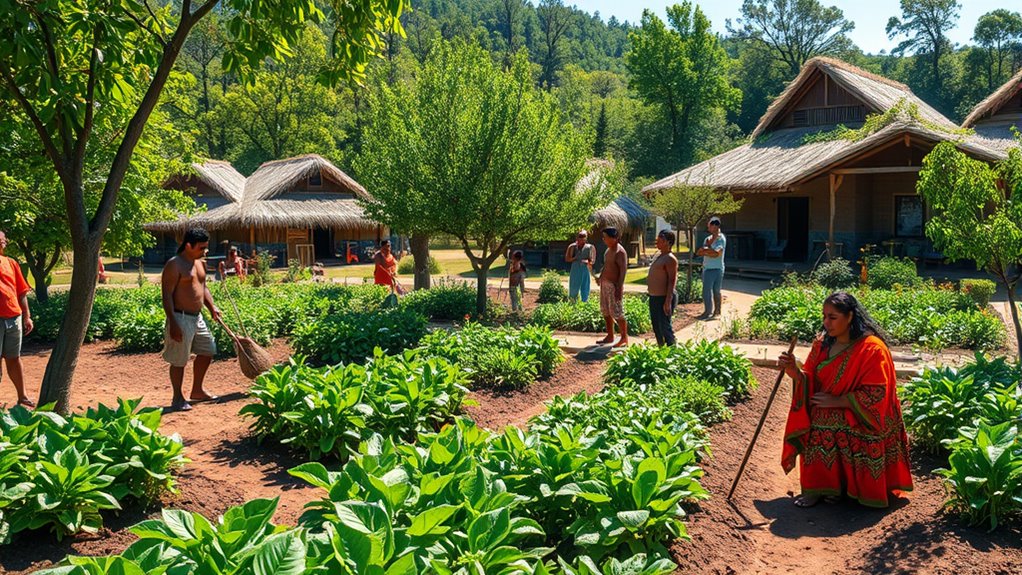
Community-based Landcare empowers local people to take ownership of their land and natural resources, fostering sustainable practices that benefit both the environment and the community. When you get involved in these initiatives, you tap into the rich knowledge and traditions of indigenous conservation, which often serve as the foundation for successful land management practices. Indigenous communities have long understood their environment deeply, developing ways to sustainably utilize resources while maintaining ecological balance. By integrating these traditional practices into modern Landcare projects, you can create more resilient and effective conservation efforts. These indigenous approaches emphasize respect for the land, water, and animals, ensuring that resource use doesn’t lead to degradation. Additionally, incorporating nutritional benefits of traditional plants can enhance community health and food security. When you participate in community-led projects that honor indigenous conservation methods, you help preserve cultural heritage while promoting ecological sustainability. Many indigenous land management practices are tailored to local ecosystems, making them highly effective. For example, controlled burning—used by Aboriginal communities—reduces fuel loads and prevents larger wildfires, supporting healthier forests and grasslands. Such techniques, rooted in indigenous knowledge, are increasingly recognized as essential tools in contemporary conservation. You’ll find that these practices often involve a collaborative approach, where elders and community members work together to make decisions that balance ecological health with cultural values. This cooperative spirit is a hallmark of successful indigenous-led Landcare projects. Involving indigenous communities in land management practices also fosters a sense of stewardship and responsibility. You’ll see that when local people take ownership of land, they become more committed to its care. Indigenous conservation strategies often include storytelling, ceremonies, and traditional land use planning, which reinforce a deep connection to the land. These methods can be adapted to modern conservation efforts, enriching them with cultural significance and ensuring long-term sustainability. By supporting indigenous-led initiatives, you contribute to the preservation of endangered ecosystems and cultural practices simultaneously. Ultimately, the strength of community-based Landcare lies in its ability to blend traditional knowledge with contemporary science. When you champion indigenous conservation and land management practices, you help create projects that are not only effective but also culturally respectful and inclusive. These successful initiatives demonstrate that when communities, especially indigenous ones, lead the way, environmental outcomes improve, and cultural heritage is preserved for future generations. Your involvement in such projects helps foster a sustainable future rooted in respect, tradition, and shared responsibility.
Land, Women, Youths, and Land Tools or Methods
As an affiliate, we earn on qualifying purchases.
As an affiliate, we earn on qualifying purchases.
Frequently Asked Questions
How Do Indigenous Projects Secure Long-Term Funding?
You secure long-term funding for Indigenous projects by implementing strong funding strategies and fostering ongoing community engagement. Building partnerships with government agencies, NGOs, and private donors helps diversify your funding sources. Demonstrating clear social, environmental, and cultural benefits keeps funders invested. Regularly involving the community guarantees projects remain relevant and supported, encouraging continued investment over time. Transparent reporting and showcasing success stories also attract sustained financial support.
What Challenges Do Communities Face in Project Implementation?
You face challenges like cultural barriers that can hinder understanding and trust within your community. Limited resources and funding complications often slow progress. Engaging community members consistently can be tough, especially when priorities differ or there’s historical distrust. To succeed, you need to foster open communication, respect cultural practices, and build strong relationships, ensuring everyone feels involved and committed to the project’s long-term success.
How Is Traditional Knowledge Integrated Into Landcare Practices?
Imagine weaving a tapestry, where each thread enriches the whole—this is how traditional knowledge enhances landcare practices. You integrate Indigenous wisdom by actively respecting cultural preservation and applying age-old ecological insights. This approach fosters ecological resilience, ensuring land management is both sustainable and culturally meaningful. By doing so, you honor ancestors’ teachings while strengthening the land’s health, creating a legacy that benefits future generations.
What Role Do Government Policies Play in Project Success?
Government policies greatly influence project success through policy impact and stakeholder engagement. When policies support Indigenous land management, they create a conducive environment for collaboration and resource allocation. Your active involvement in advocating for inclusive policies guarantees that Indigenous voices are heard, fostering stronger stakeholder engagement. This, in turn, leads to more effective landcare practices, sustainable outcomes, and long-term project success.
How Can New Communities Start Similar Landcare Initiatives?
You can start similar landcare initiatives by engaging your community early, focusing on cultural preservation and empowering local voices. Gather local knowledge, build strong relationships, and involve elders to guarantee projects align with cultural values. Secure support from local organizations and government agencies, and promote community participation. By prioritizing cultural preservation and community empowerment, you create sustainable projects that respect traditions and foster long-term engagement.
controlled burning tools for land conservation
As an affiliate, we earn on qualifying purchases.
As an affiliate, we earn on qualifying purchases.
Conclusion
So, despite all the talk about modern technology and top-down policies, it turns out that Indigenous communities, with their deep-rooted connection to the land, often find better solutions. It’s almost ironic how success comes from grassroots efforts rather than distant bureaucracies. When you empower those who truly understand the land, you realize that sometimes, the most effective strategies are the simplest—yet most overlooked. Maybe it’s time we listened to those who’ve been caring for the land all along.
Traditional Ecological Knowledge: Learning from Indigenous Practices for Environmental Sustainability (New Directions in Sustainability and Society)
As an affiliate, we earn on qualifying purchases.
As an affiliate, we earn on qualifying purchases.
community-led conservation supplies
As an affiliate, we earn on qualifying purchases.
As an affiliate, we earn on qualifying purchases.