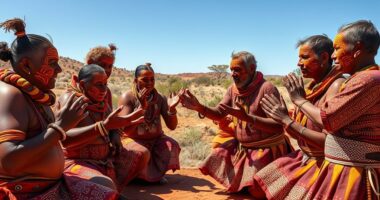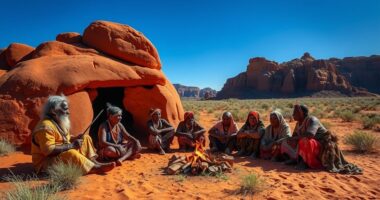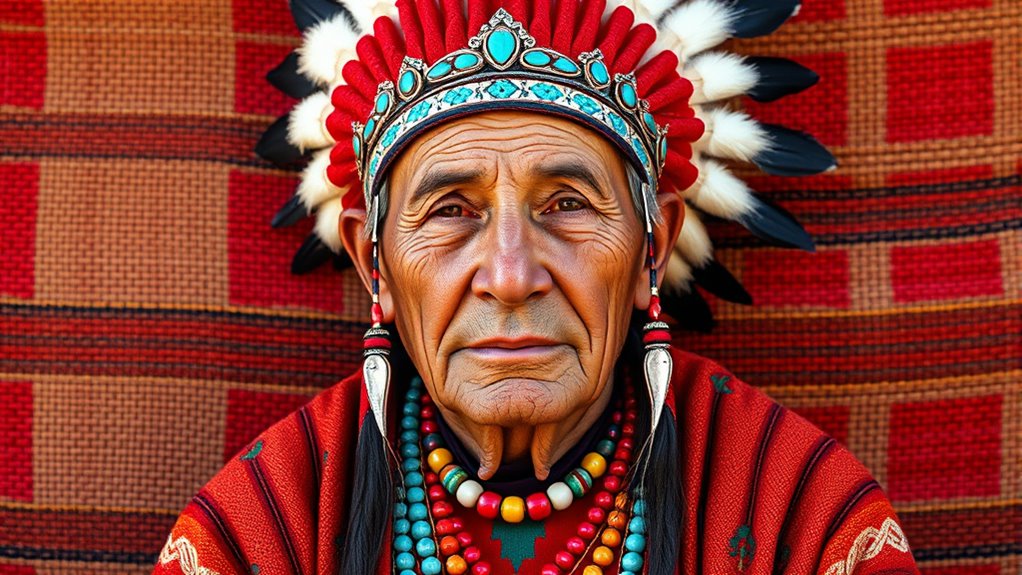

The Hopi Tribe of North America, based in northeastern Arizona, shares a vibrant culture rooted in sacred ceremonies, intricate pottery, and spiritual traditions. You’ll see their ceremonial dances, which are powerful rituals honoring spirits, ancestors, and natural forces like rain and harvests. Their handcrafted pottery features meaningful symbols passed down through generations, embodying their history and beliefs. Exploring these living traditions reveals the deep connection they maintain with land and community—there’s much more to discover about their enduring spirit.
Key Takeaways
- The Hopi Tribe, based in northeastern Arizona, maintains rich cultural traditions rooted in spirituality and land connection.
- Sacred ceremonial dances serve as rituals to honor spirits, bring rain, and celebrate harvests, reflecting spiritual significance.
- Hopi pottery features geometric motifs and symbols with spiritual meanings, crafted using traditional techniques passed through generations.
- These living traditions preserve Hopi identity, fostering cultural continuity, spiritual connection, and resilience within the community.
- Their practices contribute significantly to North America’s cultural diversity, emphasizing respect for nature and ancestral heritage.
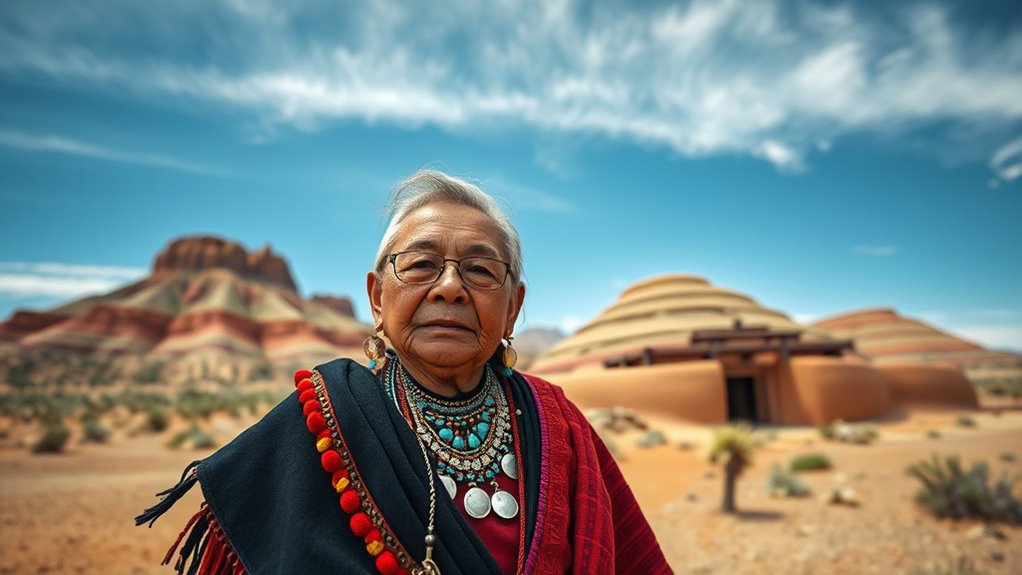
The Hopi Tribe is a Native American community located primarily in northeastern Arizona. As you immerse yourself in their rich culture, you’ll quickly notice the importance of ceremonial dances. These dances are not mere performances; they are sacred rituals that connect the Hopi people to their ancestors, the land, and their spiritual beliefs. During special occasions, you’ll see community members dressed in vibrant costumes, performing intricate movements that have been passed down through generations. Each dance has a purpose—whether to bring rain for crops, celebrate a harvest, or honor specific spirits. Participating in or watching these ceremonies offers a direct window into the Hopi worldview, where spirituality and daily life are deeply intertwined. These traditions are often supported by authenticity markers, which help ensure their cultural integrity and preservation.
Alongside their ceremonial dances, traditional pottery stands out as a crucial expression of Hopi artistry and cultural identity. When you observe their pottery, you’ll notice the craftsmanship and symbolic designs that have been refined over centuries. The Hopi are renowned for their intricate hand-crafted vessels, which often feature geometric patterns, symbols, and motifs that tell stories or carry spiritual significance. Making pottery is a revered craft, passed from generation to generation, with each piece serving both functional and ceremonial purposes. For the Hopi, pottery isn’t just art; it’s a way to preserve their history and beliefs. You might see artisans shaping clay with precise techniques, using natural pigments to decorate their work with traditional symbols. These vessels are often used in rituals, offerings, or as sacred objects, emphasizing the connection between the material craft and spiritual practice.
As you explore more about the Hopi, you’ll find that their ceremonial dances and traditional pottery are more than cultural artifacts—they’re living traditions that sustain their identity. These practices serve as a bridge between the past and present, allowing the Hopi to maintain their spiritual connection to the land and their ancestors. Whether you’re witnessing a sacred dance or admiring a beautifully crafted pottery piece, you’ll understand that these elements are essential expressions of Hopi resilience, spirituality, and community. They embody a worldview that respects nature, honors tradition, and celebrates the continuity of their cultural legacy in a changing world. Engaging with these traditions gives you a deeper appreciation for the Hopi’s enduring spirit and their crucial role in North America’s diverse tapestry.
Frequently Asked Questions
What Is the Hopi Tribe’s Current Population?
You’ll find that the Hopi Tribe’s current population is around 7,000 members. You might notice demographic trends showing a decline due to younger generations moving away and population challenges like preserving their culture and land. These factors influence their community’s growth and sustainability. Staying aware of these trends helps you understand the tribe’s efforts to maintain their heritage while addressing ongoing demographic changes.
How Has Climate Change Affected Hopi Lands?
Climate change has markedly affected Hopi lands, causing droughts and unpredictable weather. You can see how this challenges their traditional farming and water sources. To adapt, they focus on climate adaptation strategies and environmental preservation efforts, ensuring their land and culture survive. By actively managing resources and advocating for sustainable practices, you help protect the Hopi community from the ongoing impacts of climate change.
What Language Is Primarily Spoken by the Hopi?
Like a delicate thread, the Hopi speak their native language, Hopi, which is central to their cultural identity. You’ll find that language preservation faces linguistic challenges, especially as younger generations adopt English more widely. To keep their heritage alive, the Hopi actively work to pass down their language, ensuring it remains vibrant against the tide of modern influences. Your support can help sustain this essential part of Hopi tradition.
Are There Any Hopi Cultural Festivals Open to Visitors?
Yes, you can experience Hopi cultural festivals that are open to visitors. During these Hopi cultural festivals, you get the chance for visitor participation, immersing yourself in traditional dances, ceremonies, and arts. Remember to respect local customs and ask for permission before photographing or filming. These festivals offer an authentic glimpse into Hopi traditions, making your visit meaningful and memorable while honoring their cultural heritage.
How Does the Hopi Government Interact With Federal Agencies?
You might find that the Hopi government actively interacts with federal agencies by asserting tribal sovereignty, ensuring their decisions are respected. They collaborate on issues like federal funding, which supports community projects and cultural preservation. This partnership helps maintain their autonomy while gaining necessary resources. As a result, the Hopi Tribe balances sovereignty with cooperation, working with federal agencies to serve their community’s needs effectively.
Conclusion
As you discover the Hopi Tribe, you’ll realize you’re witnessing one of the most incredible, ancient cultures on Earth—so rich and vibrant, it’s like stepping into a living, breathing history book. Their traditions, stories, and resilience are nothing short of extraordinary, defying time itself. Once you’ve seen their artistry and spirit, you’ll understand why the Hopi Tribe’s legacy is truly a marvel of the universe—something you’ll never forget, no matter how far you go.