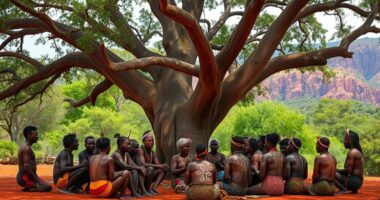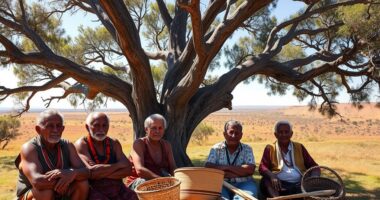
The Gunaikurnai People actively work to protect Gippsland’s cultural heritage, land rights, and traditions. They fight for legal recognition of their land, which is central to their identity and spirituality. Their efforts include community initiatives, language revival, and cultural ceremonies, all aimed at preserving their living traditions. Respecting their sovereignty guarantees their heritage survives for future generations. To understand more about their ongoing protection efforts, keep exploring their journey.
Key Takeaways
- The Gunaikurnai People actively fight for legal recognition and land rights to preserve their cultural practices and connection to Gippsland’s land.
- Land is central to Gunaikurnai identity, supporting cultural traditions, storytelling, ceremonies, and spiritual connection.
- Community-led initiatives and language revival programs help sustain and pass down Gunaikurnai culture to future generations.
- Protecting traditional land and practices requires respecting Gunaikurnai sovereignty and addressing external threats to their heritage.
- Education, advocacy, and supporting Indigenous rights are vital for maintaining and honoring Gunaikurnai cultural heritage.

The Gunaikurnai People are an Indigenous Australian group whose land spans southeastern Victoria. As you learn about their rich heritage, it becomes clear how essential it is to protect their Indigenous land rights and cultural preservation. These rights are more than legal titles; they’re the foundation of Gunaikurnai identity, history, and connection to the land. When you consider their ongoing efforts, you see how they’re actively working to reclaim and secure their traditional territories, ensuring future generations can maintain their cultural practices and spiritual ties to the land. Recognizing their land rights isn’t just about legal recognition; it’s about respecting their deep-rooted relationship with their environment, which forms the core of their cultural identity.
The Gunaikurnai people have fought tirelessly to have their land rights acknowledged and protected. They understand that without legal recognition, their ability to practice their culture and pass down traditions is threatened. This fight for land rights is intertwined with their broader goal of cultural preservation. You’ll find that their cultural practices—such as storytelling, ceremonies, and traditional hunting and gathering—are crucial to maintaining their identity. These practices are not just cultural acts; they serve as living links to their ancestors and the land itself. When these traditions are at risk, so too is their cultural sovereignty. This is why they continue to advocate for land rights and cultural recognition—because it’s essential for their survival as a people.
Efforts to preserve Gunaikurnai culture involve more than legal battles; they include community-led initiatives, language revival programs, and educational projects. You might see Gunaikurnai elders sharing stories or conducting ceremonies, ensuring that their language and traditions aren’t lost to time. These activities foster a sense of pride and resilience within the community, empowering members to keep their culture alive. Supporting these initiatives means respecting their sovereignty and understanding that cultural preservation is an active, ongoing process. It requires acknowledgment of their land rights and a commitment to protecting their cultural heritage from external threats. Additionally, understanding the importance of nutritional diversity can contribute to supporting their traditional diets and sustainable practices.
Ultimately, protecting the Gunaikurnai People’s land rights and cultural heritage isn’t just about history—it’s about justice and respect in the present day. You can play a part by educating yourself about their history, supporting initiatives that promote Indigenous rights, and advocating for policies that recognize their sovereignty. Their fight for land rights and cultural preservation underscores the importance of honoring Indigenous connections to the land, ensuring that their heritage continues to thrive for generations to come.

Warlpiri, Arrernte, and Pitjantjatjara Phrases: Indigenous Australian Languages
As an affiliate, we earn on qualifying purchases.
As an affiliate, we earn on qualifying purchases.
Frequently Asked Questions
How Does the Gunaikurnai People’s Language Differ From Others?
You’ll notice that the Gunaikurnai people’s language has unique features that set it apart from others, showcasing its linguistic uniqueness. It also exhibits dialectal variations, meaning different groups within the Gunaikurnai community might speak slightly different versions of the language. This diversity reflects their rich cultural history and helps preserve their identity. Their language’s distinct sounds and structures make it a essential part of their heritage, unlike many other Indigenous languages.
What Are Some Traditional Gunaikurnai Ceremonies Still Practiced Today?
Imagine walking through a sacred forest where Traditional dances echo like whispers from the Dreamtime, and stories weave the land’s spirit. You can still witness these ceremonies today, where Gunaikurnai people honor their ancestors through dance and storytelling. These rituals, rooted in Dreamtime stories, connect the community to their heritage, keeping ancient traditions alive. By participating or observing, you help preserve this vibrant cultural tapestry for future generations.
How Are Gunaikurnai Stories Preserved for Future Generations?
You help preserve Gunaikurnai stories through storytelling traditions, passing down tales orally from generation to generation. By actively sharing cultural knowledge, you keep these stories alive and relevant. Cultural preservation is essential, and you can support it by participating in community events, recording stories, and teaching younger members. Your efforts ensure that Gunaikurnai heritage remains strong, fostering pride and understanding of their history and traditions for future generations.
What Role Does the Gunaikurnai People Play in Local Conservation Efforts?
You play a crucial role in local conservation efforts, acting as guardians of the land’s soul. Through cultural stewardship and traditional land management, you nurture Gippsland’s ecosystems, ensuring they thrive for generations. Your deep connection to the land guides sustainable practices, balancing nature and culture. By actively participating, you help preserve the environment’s spirit, fostering a legacy of respect, resilience, and harmony that echoes the voice of your ancestors.
How Can Visitors Respectfully Engage With Gunaikurnai Cultural Sites?
You can respectfully engage with Gunaikurnai cultural sites by observing respectful conduct and honoring cultural sensitivities. Always follow signage and guidelines, avoid touching or removing artifacts, and ask permission if you’re unsure about any customs. Listen carefully to local advice, and show genuine respect for their traditions and stories. By doing so, you help preserve their heritage and demonstrate your appreciation for their culture.
Gunaikurnai cultural ceremony DVDs
As an affiliate, we earn on qualifying purchases.
As an affiliate, we earn on qualifying purchases.
Conclusion
As you walk through Gippsland’s lush landscapes, you can almost hear the whispers of the Gunaikurnai People, their stories woven into every tree and river. Protecting their heritage isn’t just about history; it’s about safeguarding a living connection to the land you cherish. By honoring their culture, you help keep the spirit of Gippsland alive—vibrant and enduring, like the dawn breaking over rolling hills and shimmering waterways.

The Absolutely True Diary of a Part-Time Indian (National Book Award Winner)
Great product!
As an affiliate, we earn on qualifying purchases.
As an affiliate, we earn on qualifying purchases.

Life of Fred Middle School Language Arts 4-Book Set : Australia, Begin Teaching, Classes, and Dreams
Set of 4 Life of Fred books teaching Language Arts Skills, Middle School
As an affiliate, we earn on qualifying purchases.
As an affiliate, we earn on qualifying purchases.