
The Dja Dja Wurrung people are actively reclaiming their land to restore cultural practices, strengthen community bonds, and assert sovereignty. They reconnect with sacred sites and revitalize traditional knowledge, ensuring these customs are passed down. This effort helps rebuild their cultural identity after years of suppression. By taking control of their land, they empower their community and preserve their heritage. If you explore further, you’ll discover how these actions continue to shape their cultural revival.
Key Takeaways
- Dja Dja Wurrung are reclaiming traditional lands to support cultural practices and ceremonies vital to their spiritual identity.
- Land return empowers the community to preserve and pass down Dreamtime stories, art, and ceremonies.
- Reclaiming sacred sites strengthens cultural bonds and reinforces sovereignty and cultural integrity.
- Integrating traditional knowledge into education helps future generations understand and value their cultural heritage.
- Rebuilding culture alongside land rights demonstrates resilience and fosters community pride and renewal.

The Dja Dja Wurrung people are reclaiming their land and revitalizing their culture after years of dispossession. You can see this effort through their dedication to preserving and practicing traditional practices that have been passed down through generations. These practices include storytelling, dance, art, and ceremonies that connect them to their ancestors and the landscape. By actively engaging in these customs, they’re not just honoring their history—they’re ensuring its survival for future generations. This cultural revival is essential, especially after many years of suppression and marginalization, which threatened to erase their identity completely.
The Dja Dja Wurrung are reclaiming land and reviving their culture through traditional practices and ceremonies.
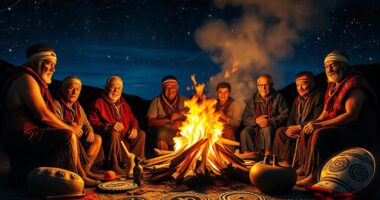
You might notice how the Dja Dja Wurrung are working to integrate their traditional practices into everyday life. For example, they hold community gatherings that focus on storytelling and dance, where elders share knowledge and younger members learn the significance behind each ritual. These events act as living classrooms, reinforcing cultural values and strengthening community bonds. Art plays an important role too, as they create paintings, carvings, and crafts rooted in their Dreamtime stories and connection to the land. This process helps bring their cultural practices into the modern world, making them accessible and relevant while respecting their origins.
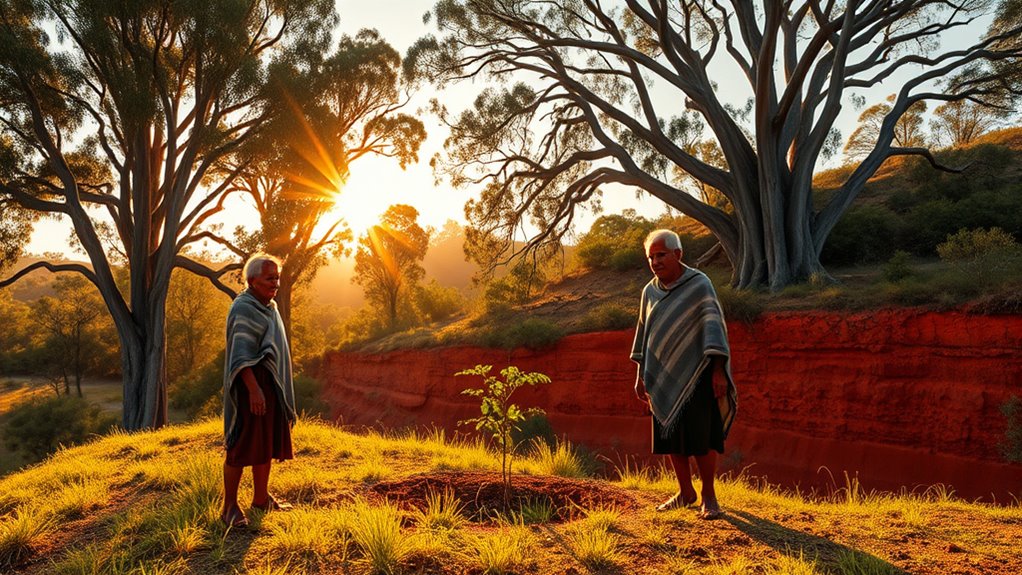
Reclaiming land is central to their cultural revival. By gaining back ownership of traditional sites and protected areas, the Dja Dja Wurrung are re-establishing a physical space where cultural practices can thrive. They recognize that land is more than just territory; it’s a foundation of their identity and spirituality. Restoring these sites allows them to conduct ceremonies and rituals that are integral to their traditions. It’s a powerful statement—showing that they’re not just recovering land but also reclaiming their sovereignty and cultural integrity. Additionally, they are using land rights to strengthen their community and cultural practices, emphasizing the importance of land in maintaining their cultural heritage.
Throughout this process, education plays a significant role. They’re working to incorporate traditional knowledge into local schools and community programs, ensuring that younger generations understand and value their heritage. This proactive approach helps prevent cultural erosion and fosters pride among youth. The community’s effort to revive traditional practices and reconnect with sacred sites demonstrates resilience and a deep commitment to cultural continuity.
As you observe their journey, it’s clear that the Dja Dja Wurrung are not only reclaiming land but also actively rebuilding their cultural identity. This combination of land rights and cultural revival creates a strong foundation for their future, empowering them to sustain their traditions and pass them on with pride. Their story is one of resilience, showing that even after years of dispossession, a community can step back into its rightful place—both on the land and in the heart of its culture.
Dreamtime storytelling books for children
As an affiliate, we earn on qualifying purchases.
As an affiliate, we earn on qualifying purchases.
Frequently Asked Questions
How Does Land Return Impact Dja Dja Wurrung Youth Programs?
When land is returned, you can see a positive impact on Dja Dja Wurrung youth programs. It strengthens Indigenous sovereignty, empowering young people to connect deeply with their culture and heritage. Land stewardship becomes a hands-on experience, helping youth learn traditional practices and responsibility. This connection fosters pride, resilience, and leadership, ensuring the next generation actively participates in preserving their culture and land for the future.
What Language Revitalization Efforts Are Currently Underway?
You might think language revitalization is just about speaking, but it’s more than that. Dja Dja Wurrung actively work on language preservation through classes, community events, and recordings. They focus on reviving oral traditions, passing stories and knowledge down generations. These efforts help reconnect people to their culture, ensuring their language stays alive and vibrant, enriching their identity and strengthening community bonds for future generations.
How Does the Community Involve Younger Generations in Cultural Practices?
You actively involve younger generations through intergenerational learning and cultural mentorship programs. You encourage elders to share stories, language, and traditions directly with youth, creating meaningful connections. Workshops, community events, and school collaborations foster hands-on experiences where elders teach songs, dances, and customs. This approach guarantees cultural practices are passed down, empowering young people to embrace their heritage and become future custodians of their culture.
What Partnerships Support Dja Dja Wurrung’s Land and Cultural Initiatives?
You can see that partnership collaboration plays a vital role in supporting Dja Dja Wurrung’s initiatives. They work with local governments, cultural organizations, and environmental groups to strengthen their projects. Funding opportunities are crucial, as they provide resources for land restoration and cultural programs. By actively fostering these partnerships, you help guarantee the community’s traditions and land are preserved and revitalized for future generations.
How Are Traditional Knowledge and Practices Integrated Into Land Management?
Think of traditional knowledge as a guiding star illuminating how you manage land. You integrate cultural heritage by applying age-old practices like firestick farming, which nurtures the environment and sustains biodiversity. These practices ensure environmental sustainability, blending ancestral wisdom with modern land management. By respecting and revitalizing these traditions, you create a harmonious balance where cultural heritage thrives, and the land remains resilient for future generations.
aboriginal art supplies kit
As an affiliate, we earn on qualifying purchases.
As an affiliate, we earn on qualifying purchases.
Conclusion
By standing with the Dja Dja Wurrung, you witness a remarkable resurgence of culture and land reclaiming. Their efforts aren’t just a story—they’re a powerful force reshaping history itself. As they rebuild their heritage, you realize this isn’t merely progress; it’s a monumental shift that echoes through generations. Their resilience embodies the spirit of survival, proving that with unwavering determination, even the deepest wounds can birth a brighter, unstoppable future.
traditional dance costumes Australia
As an affiliate, we earn on qualifying purchases.
As an affiliate, we earn on qualifying purchases.
indigenous cultural education kits
As an affiliate, we earn on qualifying purchases.
As an affiliate, we earn on qualifying purchases.