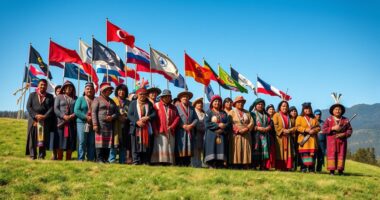

The Wik decision clarified that native title rights can coexist with pastoral leases, overturning the old belief that leases automatically extinguished Indigenous land rights. It emphasizes that native title remains valid if it doesn’t conflict with the lease’s purpose. This ruling promotes a balanced approach, recognizing Indigenous cultural ties while respecting leasehold agreements. To understand how this affects land use and Indigenous rights, you’ll see why the decision is a significant milestone in land law.
Key Takeaways
- The Wik Decision confirmed native title rights can coexist with pastoral leases if rights are not inconsistent.
- It clarified that leases do not automatically extinguish native title rights.
- The ruling emphasized native title can persist alongside land granted for pastoral purposes.
- It highlighted the importance of balancing Indigenous rights with leaseholder interests.
- The decision promoted recognition of Indigenous cultural ties and participation in land management.

The Wik Decision marked a significant turning point in Australian native title law by clarifying how native title rights coexist with pastoral leases. Before this ruling, many believed that leasehold tenure systems entirely extinguished native title rights on pastoral lands. However, the decision recognized that native title could persist alongside leasehold arrangements, provided the rights were not inconsistent with the terms of the lease. This shift meant that Indigenous land management practices could continue, even where pastoral leases were in place, fostering a more nuanced understanding of land rights and use.
The Wik Decision clarified that native title can coexist with pastoral leases if rights are not inconsistent.
Understanding leasehold tenure systems is vital here. These systems involve the government granting rights to occupy and use land for a specified period, often for pastoral or agricultural purposes. While they provide security for leaseholders, they also create boundaries within which native title rights might be exercised. The Wik Decision clarified that native title rights could coexist with these leasehold interests, as long as the exercise of native title did not interfere with the primary purpose of the lease. This acknowledgment opened the door for Indigenous communities to assert their connection to land and participate in Indigenous land management, even within leasehold contexts.
You should recognize that this decision emphasizes the importance of Indigenous land management practices, which often include sustainable hunting, gathering, and cultural activities deeply rooted in traditional connection to the land. The ruling affirms that native title rights are not automatically extinguished when a lease is granted but may still be exercised alongside leasehold rights. This understanding encourages native title claimants to actively engage in land management, ensuring that their cultural and spiritual ties are respected and preserved within the framework of leasehold tenure systems.
Furthermore, the decision has practical implications for how land use disputes are handled. It urges a balanced approach—one that respects the rights of leaseholders while acknowledging the ongoing connection Indigenous peoples have with their land. This promotes collaborative management strategies, where Indigenous communities can participate in decisions affecting their land, fostering mutual respect and recognition of native title rights. The ruling also emphasizes that native title rights are not absolute but must be balanced against the rights granted under leasehold arrangements.

The Absolutely True Diary of a Part-Time Indian (National Book Award Winner)
Great product!
As an affiliate, we earn on qualifying purchases.
As an affiliate, we earn on qualifying purchases.
Frequently Asked Questions
How Has the Wik Decision Affected Land Ownership Disputes?
You now see that the Wik decision has clarified that indigenous sovereignty and native title rights can coexist with pastoral leases. It means land ownership disputes become more complex, as you must consider both land tenure laws and indigenous claims. This ruling empowers indigenous communities, giving them stronger rights to negotiate land use, and encourages a more balanced approach to resolving disputes over land ownership and respect for native title.
What Are the Implications for Pastoral Leaseholders?
You’ll find your responsibilities multiplied exponentially with Indigenous land rights now stronger than ever. As a pastoral leaseholder, you must navigate complex obligations, guaranteeing respect for native title rights while managing your lease. The implications are huge—potential disputes, increased compliance demands, and a need for ongoing negotiations. You can’t overlook Indigenous rights; your leaseholder obligations now demand more awareness, respect, and active engagement to avoid conflicts and ensure smooth operations.
How Does Native Title Coexist With Other Land Rights?
Native title coexists with other land rights by recognizing Indigenous sovereignty, meaning Indigenous groups retain certain rights to land despite other leases or claims. You can access land for traditional purposes while respecting pastoral leases and government rights. This coexistence ensures that Indigenous communities maintain their cultural connection and land access, even when other land uses are in place. It creates a framework where multiple rights can operate simultaneously, respecting everyone’s interests.
What Legal Processes Follow the Wik Decision?
You’re likely interested in how legal processes follow the Wik Decision, which affirms indigenous sovereignty and land access. Around 60% of pastoral leases intersect with native title claims, highlighting the importance of legal clarity. After the decision, parties must negotiate agreements like Indigenous Land Use Agreements (ILUAs) to recognize native title rights alongside pastoral leases. These processes guarantee land access rights are respected, fostering coexistence and legal certainty.
Are There Recent Amendments to Native Title Legislation?
Recent amendments to native title legislation aim to strengthen indigenous sovereignty and improve land access for Aboriginal communities. You’ll find new laws that clarify land rights and streamline processes for native title claims, ensuring better recognition of indigenous sovereignty. These changes support Indigenous peoples in protecting their land access and cultural heritage while fostering more equitable negotiations with pastoral leaseholders and government authorities. Staying informed helps you understand how legislation continues to evolve in this essential area.

National Geographic Australia Wall Map – Classic (30.25 x 27 in) (National Geographic Reference Map)
As an affiliate, we earn on qualifying purchases.
As an affiliate, we earn on qualifying purchases.
Conclusion
You now see how the Wik decision acts like a bridge, connecting pastoral leases and native title rights. It’s not just a ruling; it’s a turning point that shapes your understanding of land rights and Indigenous connections. This decision empowers you to appreciate the complex relationship between pastoralists and traditional owners, like a puzzle coming together. Ultimately, it highlights that land rights are a shared story, woven together like threads in a vibrant tapestry.

Unlikely Alliances: Native Nations and White Communities Join to Defend Rural Lands (Indigenous Confluences)
As an affiliate, we earn on qualifying purchases.
As an affiliate, we earn on qualifying purchases.
native title and pastoral lease legal kits
As an affiliate, we earn on qualifying purchases.
As an affiliate, we earn on qualifying purchases.