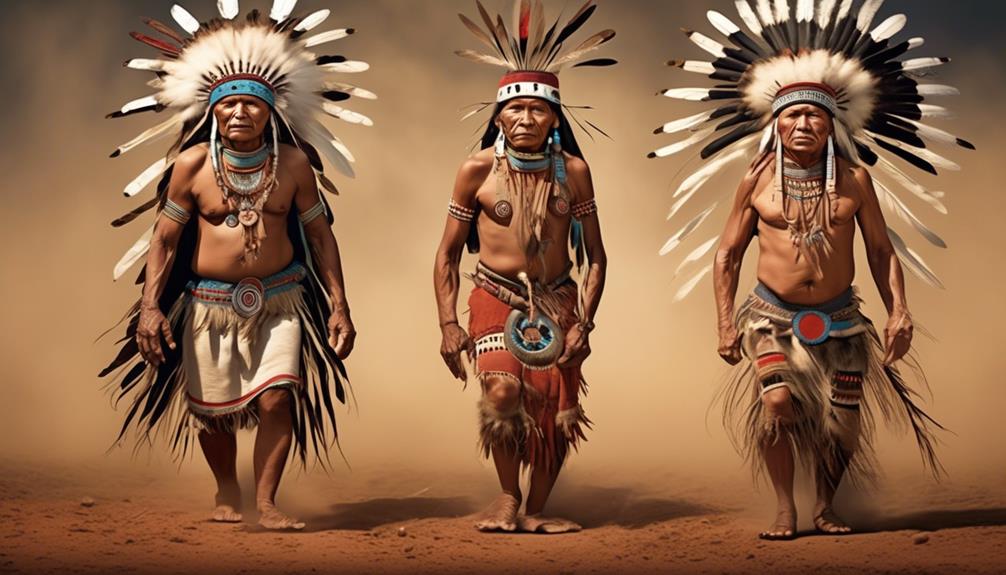

Indigenous legal systems focus on restoring harmony, often led by community elders who mediate disputes through rituals, storytelling, and cultural practices. These systems emphasize healing relationships over punishment and prioritize cultural preservation, making them essential in maintaining social cohesion. They adapt over time while staying true to traditional values, even alongside modern laws. If you continue exploring, you’ll discover how these ancient practices still shape justice and community well-being today.
Key Takeaways
- Indigenous legal systems focus on restorative justice, emphasizing healing and community harmony over punishment.
- Elders and community leaders serve as mediators, ensuring inclusive and culturally relevant dispute resolution.
- These systems preserve cultural identity, traditions, and spiritual beliefs within their justice practices.
- They demonstrate resilience and adaptability, evolving alongside societal changes while maintaining core values.
- Indigenous justice methods complement or supplement state law, promoting social cohesion and cultural preservation in modern contexts.
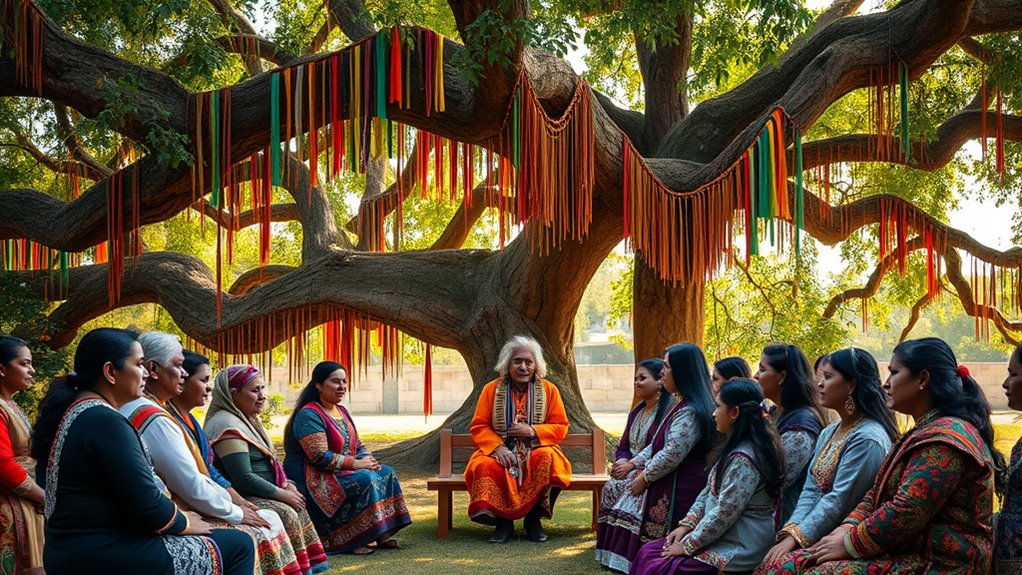
Indigenous legal systems are traditional frameworks for resolving disputes and maintaining social order within indigenous communities. These systems are deeply rooted in the community’s history, customs, and spiritual beliefs, playing a crucial role in preserving their unique cultural identity. Unlike formal state laws, indigenous legal practices focus on restorative justice, emphasizing healing relationships over punishment. By doing so, they foster a sense of unity and cultural continuity, ensuring that traditions are passed down through generations.
Indigenous legal systems preserve cultural identity through restorative justice and community-based dispute resolution.
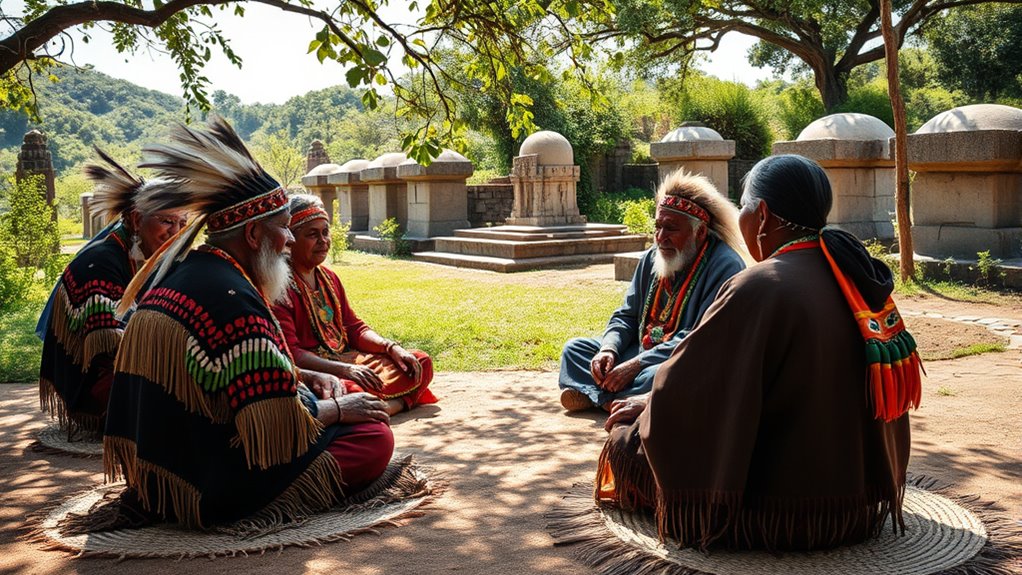
At the heart of these systems is dispute resolution, which often involves community elders or respected leaders who serve as mediators. They listen carefully to all parties involved, ensuring everyone’s voice is heard. This approach not only resolves conflicts but also reinforces social bonds, trust, and mutual respect. Because these processes are embedded in cultural practices, they help maintain social cohesion and uphold community values. They are flexible and context-specific, often incorporating rituals, storytelling, and ceremonies that hold cultural significance. This integration of cultural preservation within dispute resolution makes indigenous legal systems more than just mechanisms for resolving conflicts—they are living expressions of the community’s identity and worldview.
You might notice that these traditional systems tend to prioritize reconciliation over punishment, aiming to restore harmony rather than impose sanctions. This focus on healing helps prevent resentment and division, fostering a resilient social fabric. Furthermore, indigenous legal systems often address broader issues such as land rights, resource management, and spiritual matters, reflecting their holistic view of well-being. They serve as a crucial means of protecting cultural heritage and ensuring that community traditions are respected and upheld. When external legal systems overlook or dismiss these practices, communities risk losing vital links to their history, language, and identity. Additionally, the resilience of these systems demonstrates their ability to adapt and survive despite pressures from colonialism and modern state law as seen in their ongoing evolution.
You can see that these systems are adaptable and resilient, surviving despite pressures from colonialism and modern state law. They continue to evolve, incorporating new elements without losing their core cultural essence. Recognizing and respecting indigenous legal systems means valuing their unique approach to dispute resolution and cultural preservation. It’s about acknowledging that justice isn’t one-size-fits-all but is shaped by the community’s history, beliefs, and social structures. Whether used independently or alongside state law, indigenous legal practices serve as powerful tools for maintaining social order, safeguarding cultural heritage, and promoting a sense of belonging within indigenous communities. Embracing these traditions helps foster mutual understanding and respect in a diverse and interconnected world.

Intercultural Dispute Resolution in Aboriginal Contexts
As an affiliate, we earn on qualifying purchases.
As an affiliate, we earn on qualifying purchases.
Frequently Asked Questions
How Do Indigenous Legal Systems Influence National Legal Frameworks?
Indigenous legal systems influence your national legal framework by promoting legal pluralism, which recognizes multiple sources of law. They support cultural sovereignty, allowing indigenous communities to uphold their traditions within the broader legal context. This integration encourages respect for diverse justice practices, ensuring that indigenous perspectives shape national policies. Your legal system becomes more inclusive, fostering mutual understanding and honoring the unique cultural identities of indigenous peoples.
What Challenges Do Indigenous Legal Systems Face in Modern Courts?
You face challenges in modern courts like maintaining cultural preservation and gaining legal recognition. These systems often struggle with adapting traditional practices to formal legal frameworks, risking erosion of their unique customs. Courts may not fully recognize indigenous authority or jurisdiction, creating conflicts. To overcome this, you need to advocate for legal recognition that respects cultural preservation, ensuring indigenous justice practices are acknowledged and integrated into the broader legal system.
How Are Indigenous Justice Practices Documented and Preserved?
Imagine sacred fires burning steadily, their glow illuminating oral traditions passed down through generations. You document indigenous justice practices by recording stories, songs, and rituals, ensuring these traditions are preserved like precious embers. Through cultural preservation efforts, communities safeguard their legal systems, keeping oral traditions alive. This deepens understanding and respect, allowing indigenous justice practices to thrive amid modern challenges, much like flames that continue to flicker and illuminate the night.
Can Indigenous Legal Systems Coexist With International Human Rights Laws?
Yes, indigenous legal systems can coexist with international human rights laws when respecting cultural sovereignty and customary law. You need to recognize that these systems often reflect the community’s values and traditions. By fostering dialogue and adaptation, you can guarantee that indigenous justice practices align with universal rights, promoting mutual understanding while preserving cultural identity. This approach supports a respectful integration of traditional justice within the broader human rights framework.
What Role Do Indigenous Elders Play in the Justice Process Today?
Elders embody essential elements of indigenous justice, guiding with grace and wisdom. They play a pivotal role in elder decision-making, mediating conflicts with cultural clarity and compassionate counsel. Through cultural mediation, they preserve traditions while promoting peace and understanding. Their experience and expertise help balance modern legal practices with age-old customs, ensuring justice remains just, respectful, and rooted in community values.
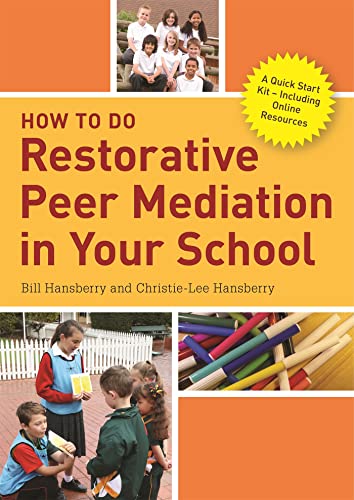
How to Do Restorative Peer Mediation in Your School
As an affiliate, we earn on qualifying purchases.
As an affiliate, we earn on qualifying purchases.
Conclusion
You now see how indigenous legal systems are like ancient trees rooted deeply in tradition, offering shade and wisdom in our modern world. They remind us that justice isn’t just a rulebook but a living, breathing part of culture. By honoring these systems, you’re nurturing a rich tapestry where tradition and modernity dance together. Embracing this harmony helps us build a future where every voice, old and new, echoes in the symphony of justice.

Story Time Felts Set of 4 Families 27 Multicultural Diverse Felt Figures for Flannel Board- Precut
includes: 27 felt figures up to 9" tall precut and 5 poems
As an affiliate, we earn on qualifying purchases.
As an affiliate, we earn on qualifying purchases.

A Doctor's Tools (Community Helpers and Their Tools)
As an affiliate, we earn on qualifying purchases.
As an affiliate, we earn on qualifying purchases.