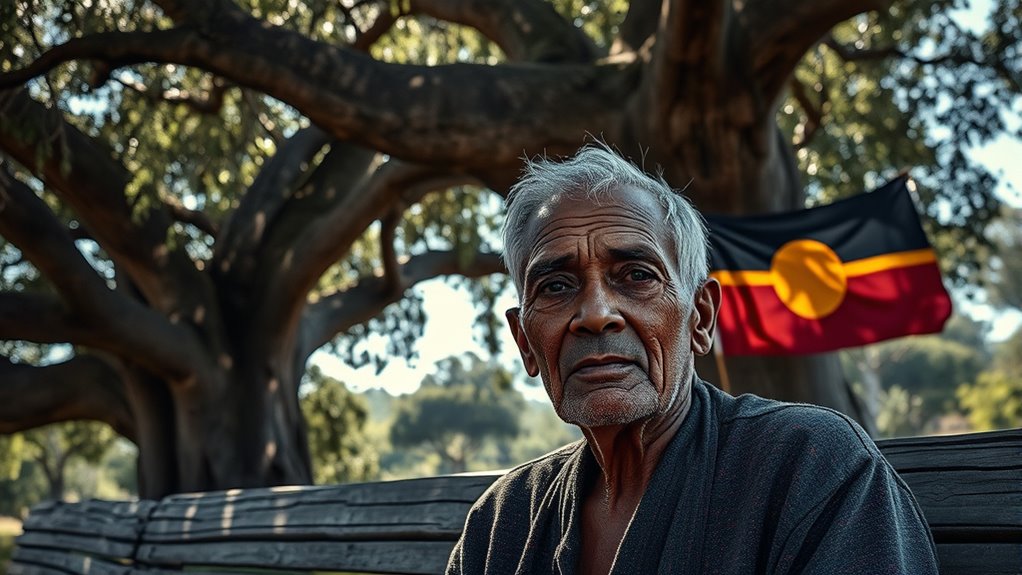

The apology to the Stolen Generations is a significant step in recognizing Australia’s dark history and promoting healing. It shows acknowledgment of the systemic injustices faced by Indigenous communities, validating their experiences. While it encourages reconciliation and policy reflection, critics point out that symbolic gestures alone don’t bring meaningful change, as disparities still exist. To understand how this moment influences ongoing efforts and debates, exploring more details can provide a clearer picture.
Key Takeaways
- The apology publicly acknowledges the harm caused to the Stolen Generations and marks a significant step toward reconciliation.
- It validates Indigenous experiences and promotes recognition of Indigenous sovereignty and cultural identity.
- The apology has inspired policy reviews and efforts to develop culturally respectful Indigenous programs.
- Critics argue that symbolic gestures may fall short without concrete actions addressing ongoing disparities.
- The apology highlights the need for continuous commitment, transparency, and genuine reform to achieve meaningful change.

The Australian government officially apologized to the Stolen Generations, acknowledging the profound harm caused by past policies of removing Indigenous children from their families. This apology marked a pivotal moment in acknowledging Australia’s dark history and recognizing the deep wounds inflicted on Indigenous communities. The historical significance of this apology lies in its formal acknowledgment of systemic injustice, serving as a vital step toward reconciliation. It signals that the government accepts responsibility for actions that have had lasting effects on Indigenous identity, culture, and well-being. By publicly addressing these past wrongs, the apology helps to foster a sense of validation for those affected and begins to heal fractured relationships between Indigenous Australians and the broader community.
The policy implications of this apology extend beyond mere words. It forces governments and institutions to reflect on the legacy of assimilation policies and consider how to prevent similar injustices in the future. The acknowledgment prompts a review of current policies related to Indigenous affairs, emphasizing the need for culturally appropriate approaches that respect Indigenous sovereignty and rights. It encourages the development of programs aimed at healing and restoring Indigenous identity, which have often been undermined by past government actions. Furthermore, the apology serves as a catalyst for legislative and policy changes that prioritize Indigenous voices, ensuring that their experiences are central to decision-making processes. It underscores the importance of policies grounded in reconciliation, respect, and genuine partnership, rather than paternalism or systemic marginalization.
However, the apology also attracts critique, particularly from those questioning whether it translates into meaningful change. Critics argue that while acknowledging past wrongs is essential, it must be accompanied by concrete actions that address ongoing disparities. Some see the apology as symbolic, lacking tangible measures to improve Indigenous health, education, and economic opportunities. Others contend that it doesn’t fully account for the ongoing impacts of historical policies or adequately empower Indigenous communities to determine their future. Despite these critiques, the apology remains a landmark event that emphasizes the importance of confronting history honestly. It acts as a reminder that reconciliation requires continuous effort, policy reform, and genuine acknowledgment of past injustices. Additionally, the recognition of the importance of Cookies in digital privacy demonstrates the broader societal need for transparency and accountability. Ultimately, it is a step toward building a more just and equitable society, but one that must be followed by sustained action and commitment.

The Stars We Do Not See: Australian Indigenous Art
As an affiliate, we earn on qualifying purchases.
As an affiliate, we earn on qualifying purchases.
Frequently Asked Questions
What Specific Reparations Have Been Provided to the Stolen Generations?
You’re likely aware that specific reparations for the stolen generations include compensation programs, which offer financial support to individuals affected. Additionally, memorial initiatives have been established to honor their experiences and promote healing. While these efforts aim to acknowledge past wrongs, some argue they don’t fully address the ongoing impacts or provide sufficient reparations, highlighting the need for continued dialogue and more extensive measures.
How Has the Apology Affected Indigenous Communities’ Healing Processes?
The apology has played a significant role in fostering cultural healing and strengthening community resilience among Indigenous communities. By acknowledging past wrongs, you may feel a sense of validation and acceptance, which encourages open dialogue and reconnection to cultural roots. This act of recognition helps communities rebuild trust, promotes shared healing, and empowers individuals to preserve their cultural identity, ultimately supporting ongoing resilience and collective recovery.
Are There Ongoing Legislative Changes Related to the Stolen Generations?
Are ongoing legislative changes making a difference? Yes, you’ll find policy reforms continue to address past injustices, aiming to improve Indigenous rights and recognition. Community initiatives play a crucial role in supporting healing and reconciliation efforts. These changes reflect a commitment to redress historical wrongs, but you might wonder if they’re enough. Staying informed and engaged helps guarantee progress keeps moving forward, fostering a more equitable future for Indigenous communities.
What Criticisms Exist Regarding the Sincerity of the Apology?
You might question the sincerity of the apology because some see it as mere government acknowledgment rather than genuine remorse. Critics argue that words alone don’t lead to real change and that actions speak louder. They feel the government’s acknowledgment falls short of addressing the ongoing injustices faced by the stolen generations. As a result, skepticism remains about whether the apology truly reflects a deep commitment to reconciliation and meaningful reconciliation efforts.
How Does the Apology Influence Contemporary Indigenous Rights Movements?
The apology acts as a rallying cry, igniting your passion for change. It influences contemporary indigenous rights movements by emphasizing truth acknowledgment, inspiring calls for justice. You see it as a catalyst for policy reform, pushing governments to address past wrongs and secure better futures. The apology’s power lies in its ability to unite voices, turning acknowledgment into action and creating momentum for meaningful societal transformation.
Reconciliation and Indigenous awareness educational materials
As an affiliate, we earn on qualifying purchases.
As an affiliate, we earn on qualifying purchases.
Conclusion
As you reflect on the heartfelt apology, remember it’s more than words—it’s a gentle step toward healing old wounds. While some may see it as a small gesture, it opens a door to understanding, reconciliation, and hope for a brighter future. Though the journey continues, this act invites you to embrace compassion and acknowledgment, guiding us all toward a path where respect and unity can blossom anew.

Our World: Australia
As an affiliate, we earn on qualifying purchases.
As an affiliate, we earn on qualifying purchases.

Indigenous Data Sovereignty and Policy (Routledge Studies in Indigenous Peoples and Policy)
As an affiliate, we earn on qualifying purchases.
As an affiliate, we earn on qualifying purchases.