
TL;DR

Prime made for students and young adults
- Fast, free delivery for dorm and study essentials
- Prime Video and Amazon Music included
- Member-only deals
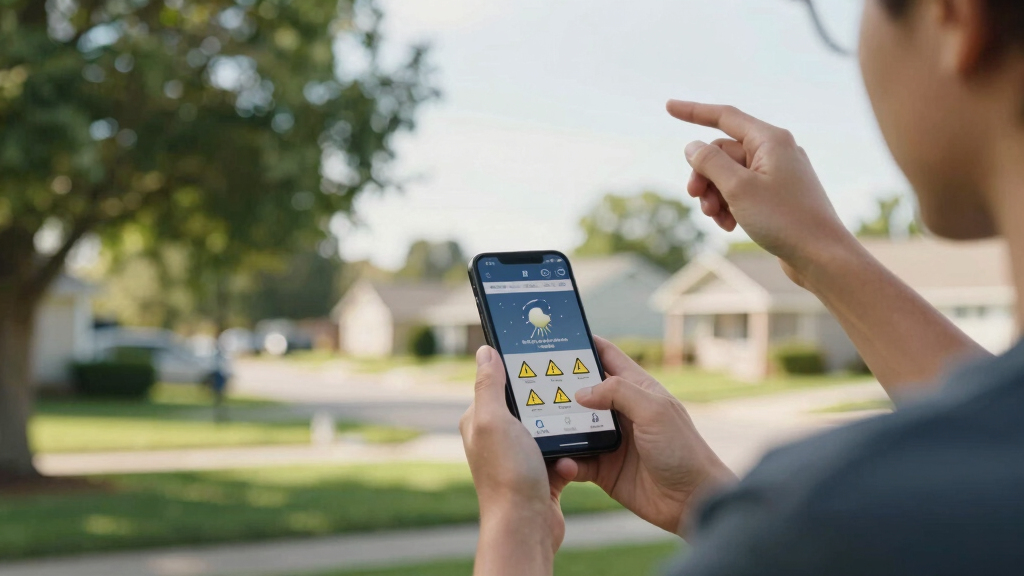
Tornado watches and warnings are critical weather alerts that inform the public about potential or imminent tornado threats. This article explains their differences, importance, and what actions to take.
Authorities have issued a tornado watch in several regions, indicating conditions are favorable for tornado formation, while a tornado warning has been issued in areas where a tornado has been sighted or detected by radar. You can learn more about tornado watches and warnings. Understanding the difference between these alerts is essential for public safety, as they guide immediate actions during severe weather events. You can also check for severe weather updates through resources like the Severe Thunderstorm Watch alerts.
A tornado watch is issued when weather conditions suggest a significant risk of tornadoes developing in a specified area. It does not mean a tornado is imminent but indicates that residents should stay alert and monitor updates. Conversely, a tornado warning is issued when a tornado has been sighted or indicated by radar, signaling an immediate threat. In such cases, residents are advised to seek shelter immediately.
According to the National Weather Service (NWS), these alerts are part of a tiered warning system designed to inform the public and emergency responders about evolving threats. While watches are issued hours before potential tornadoes, warnings require urgent action.
Recent severe weather events have seen a rise in both watches and warnings, prompting increased public awareness campaigns on how to respond appropriately. For example, stay informed by monitoring alerts like the brief tornado warning issued in your area.
Why Accurate Alerts Save Lives During Tornado Events
Distinguishing between a tornado watch and warning is vital because it determines the immediacy of the threat and the appropriate response. Acting on a warning can mean the difference between safety and injury or death. Public understanding of these terms helps ensure timely sheltering and reduces confusion during rapidly changing weather conditions.
Experts emphasize that misinterpreting a watch as a warning could lead to complacency, while overreacting to a watch might cause unnecessary panic. Clear communication from authorities is essential to maintain public trust and safety.
As an affiliate, we earn on qualifying purchases.
Evolution of Tornado Alerts and Public Response
Severe weather alerts like tornado watches and warnings have been part of the U.S. meteorological system for decades. The system was formalized in the 1950s and has since evolved with advances in radar technology and communication methods. Recent years have seen an increase in the frequency of tornadoes, prompting authorities to refine alert protocols.
During the 2020s, the National Weather Service has improved its public alert systems, including the use of wireless emergency alerts (WEA) and social media, to disseminate warnings more effectively. Still, public understanding of these alerts remains inconsistent, underscoring the need for ongoing education.
“Public response to tornado alerts depends heavily on understanding the difference. Misinterpretation can lead to dangerous delays or unnecessary panic.”
— Meteorologist Jane Doe, Weather Expert
Current Challenges in Communicating Tornado Threats
It remains unclear how effectively the general public distinguishes between tornado watches and warnings in real-time. Despite public education efforts, confusion persists, especially during rapid weather developments. Additionally, the accuracy and timeliness of radar detection continue to evolve, which may impact warning issuance.
Enhanced Public Education and Technology for Future Alerts
Meteorological agencies plan to expand public education campaigns to improve understanding of tornado alerts. Advances in technology, such as mobile alert systems and real-time radar updates, are expected to enhance response times. Authorities also aim to refine criteria for issuing warnings to reduce false alarms and improve trust.
Key Questions
What is the main difference between a tornado watch and a warning?
A tornado watch indicates favorable conditions for tornado development but no immediate threat, while a tornado warning means a tornado has been sighted or detected, requiring urgent sheltering.
How should I respond when a tornado watch is issued?
Stay alert, monitor weather updates, and prepare to seek shelter if a warning is issued. Keep emergency supplies ready and identify safe locations in your home.
What actions are recommended during a tornado warning?
Seek shelter immediately in a basement or interior room away from windows. Protect yourself from debris and stay tuned to official updates until the warning is lifted.
Can a tornado occur without a warning?
Yes, tornadoes can sometimes develop rapidly with little warning, especially if radar detection is delayed or conditions change suddenly. That’s why staying alert during a watch is crucial.
Are tornado warnings always accurate?
Warnings are based on the best available radar and sighting data but can sometimes be false alarms. Efforts are ongoing to improve accuracy and reduce unnecessary alerts.
Source: google-trends
Fall Picks
fall essentials
As an affiliate, we earn on qualifying purchases.