To stay safe while laser engraving, always choose materials like natural woods, acrylics, or approved substrates that don’t release toxic fumes. Avoid plastics like PVC and vinyl, which emit hazardous chemicals when burned. Use a proper exhaust system with filters—such as HEPA for particles and activated carbon for odors—and make certain they’re maintained regularly. Protect yourself with PPE, monitor fumes closely, and set up your workspace with safety in mind. Keep going to discover more essential safety tips.
Key Takeaways
- Use proper ventilation and smoke extraction systems with HEPA and activated carbon filters to capture hazardous fumes.
- Avoid materials like PVC, vinyl, and treated woods that release toxic fumes when engraved.
- Regularly inspect and replace filters to maintain effective smoke filtration and air quality.
- Wear appropriate PPE, including masks, goggles, and protective clothing, to shield against fumes and debris.
- Conduct tests on new materials and monitor for signs of toxic fumes, stopping operation if odors or smoke are abnormal.
HEPA air purifier for laser engraving fumes
As an affiliate, we earn on qualifying purchases.
As an affiliate, we earn on qualifying purchases.
Why Safety Matters in Laser Engraving
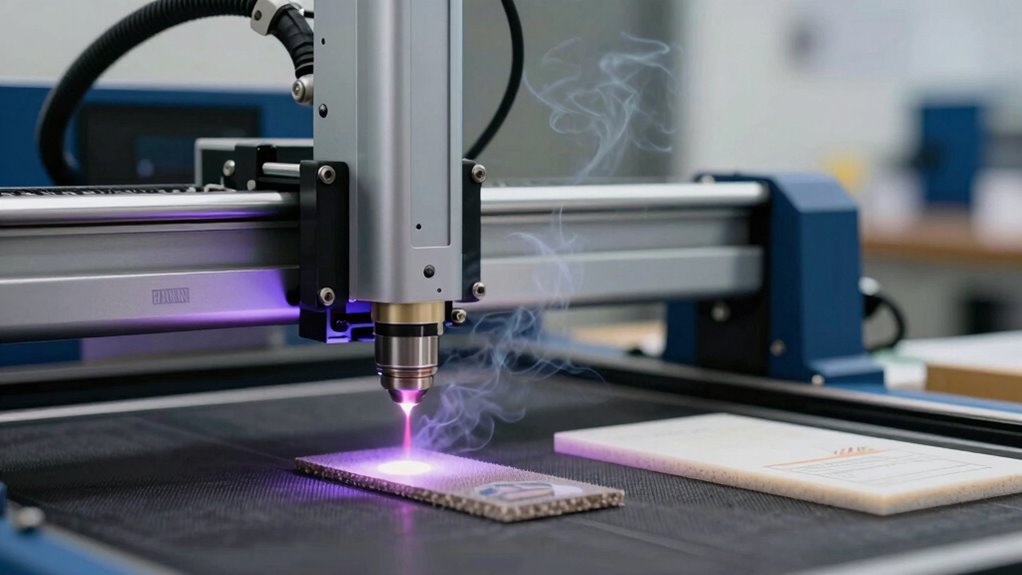
Why does safety matter so much in laser engraving? Because this process involves risks like chemical hazards and fire safety concerns. When you work with laser engravers, you generate fumes and residues that can contain harmful chemicals, which might cause health issues if inhaled or touched. Proper precautions are essential to minimize exposure. Additionally, laser engraving can ignite materials or accumulated debris, increasing the risk of fire. Ignoring safety protocols could lead to dangerous situations, property damage, or injuries. By understanding these hazards, you can implement measures such as proper ventilation, fire extinguishers, and safe handling practices. Being aware of material safety data is crucial for identifying potential chemical hazards. Recognizing the importance of ventilation systems helps reduce exposure to airborne contaminants. Implementing proper safety training ensures all operators are informed about best practices, further protecting everyone involved. Maintaining safety documentation is also vital for compliance and ongoing safety improvements. Incorporating regular safety audits can help identify potential risks before incidents occur. Prioritizing safety protects not only your health but also your workspace, ensuring your laser engraving projects are completed efficiently and securely.
activated carbon filter for smoke extraction
As an affiliate, we earn on qualifying purchases.
As an affiliate, we earn on qualifying purchases.
How to Identify and Use Safe Materials for Laser Engraving
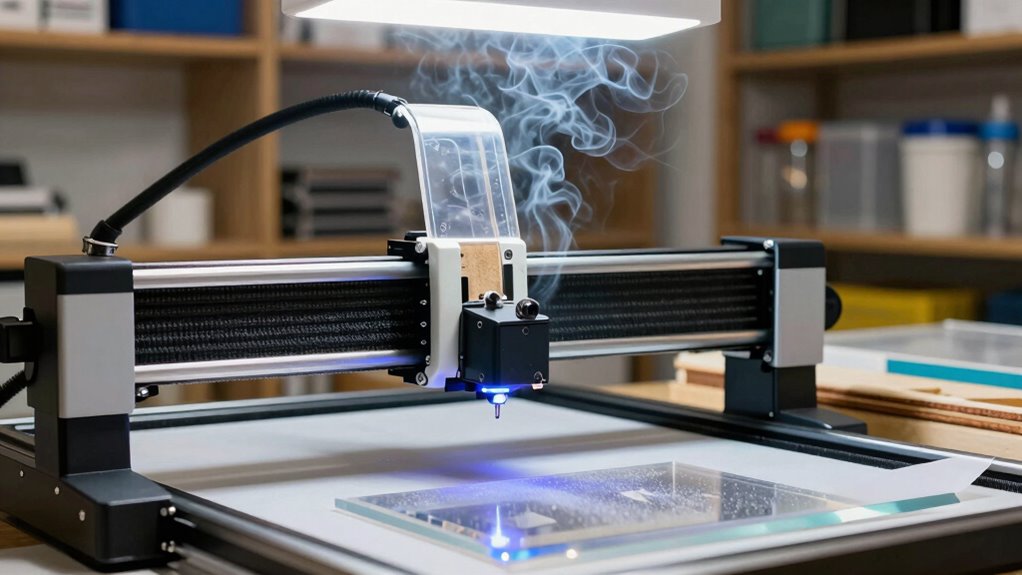
How can you guarantee the materials you choose are safe for laser engraving? Start by selecting materials known for minimal material fumes and low engraving hazards. Always research and verify that the material is rated safe for laser use. Look for manufacturer guidelines and safety data sheets. Avoid materials like PVC, vinyl, and treated woods, which release harmful fumes. Use the following to ensure safety:
Select laser-safe materials like natural woods and acrylics; always verify safety data and avoid harmful plastics.
- Choose natural, untreated woods or acrylics specifically labeled for laser engraving
- Verify materials are free of toxic additives or finishes
- Test small samples before full projects to observe fumes and smoke output
- Consult safety resources and manufacturer recommendations regularly
- Be aware of digital frames and interactive murals that may incorporate various materials and their safety considerations. Additionally, staying informed about material safety data can help prevent health hazards during laser engraving. Recognizing the importance of durable and safe materials ensures both the safety of the operator and the quality of the finished product. Regularly updating your knowledge of laser safety guidelines can further enhance safe practices. Incorporating proper ventilation systems is also crucial to effectively remove fumes and maintain a safe working environment.
laser engraving safety PPE kit
As an affiliate, we earn on qualifying purchases.
As an affiliate, we earn on qualifying purchases.
Essential Ventilation and Smoke Extraction Tips
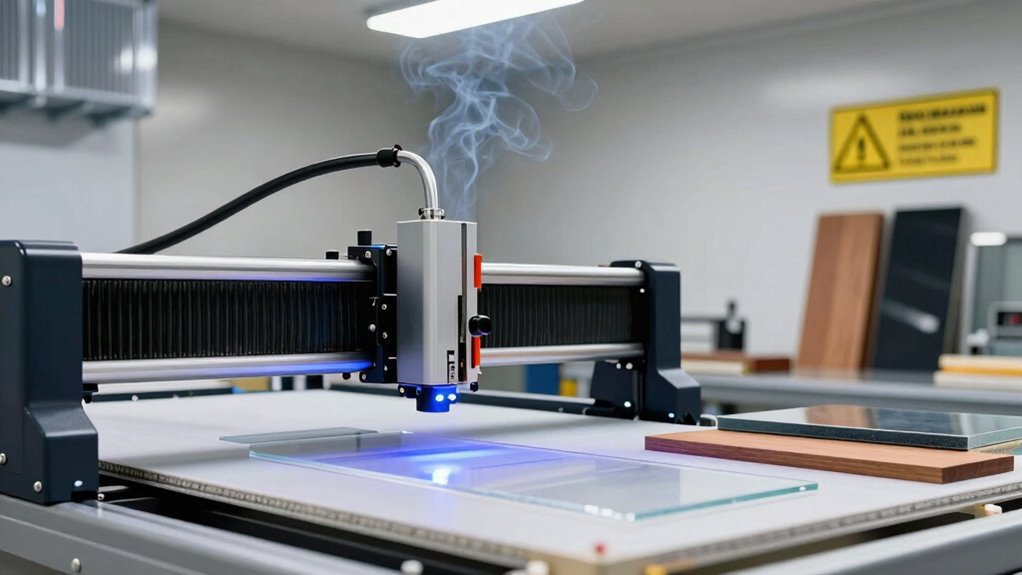
Proper ventilation is essential when laser engraving to keep fumes and smoke away from your workspace. Effective smoke extraction minimizes engraving hazards and maintains laser safety by preventing harmful fumes from accumulating. Use a high-quality exhaust system connected directly to your laser engraver, guaranteeing it vents outside or into a dedicated filtration unit. Regularly check and replace filters to uphold ideal airflow. Position your ventilation setup close to the engraving area for maximum efficiency. Avoid relying solely on indoor air circulation, as fumes can linger and pose health risks. Adequate ventilation not only improves air quality but also reduces fire risks associated with combustible fumes. Additionally, proper exhaust system design plays a crucial role in ensuring consistent airflow and safety. Implementing air filtration systems can further enhance air quality by capturing microscopic particles and microplastics in dust. Incorporating microplastic filtration technologies into your ventilation setup can significantly reduce hazardous airborne particles. Prioritize a well-designed, properly maintained ventilation system to ensure a safe and comfortable engraving environment. Proper ventilation systems are essential for compliance with safety standards and to protect your health during extended engraving sessions, especially considering the potential presence of microplastics in dust and other airborne hazards.
laser engraver exhaust system with filters
As an affiliate, we earn on qualifying purchases.
As an affiliate, we earn on qualifying purchases.
Choosing the Right Filters to Protect Your Workspace
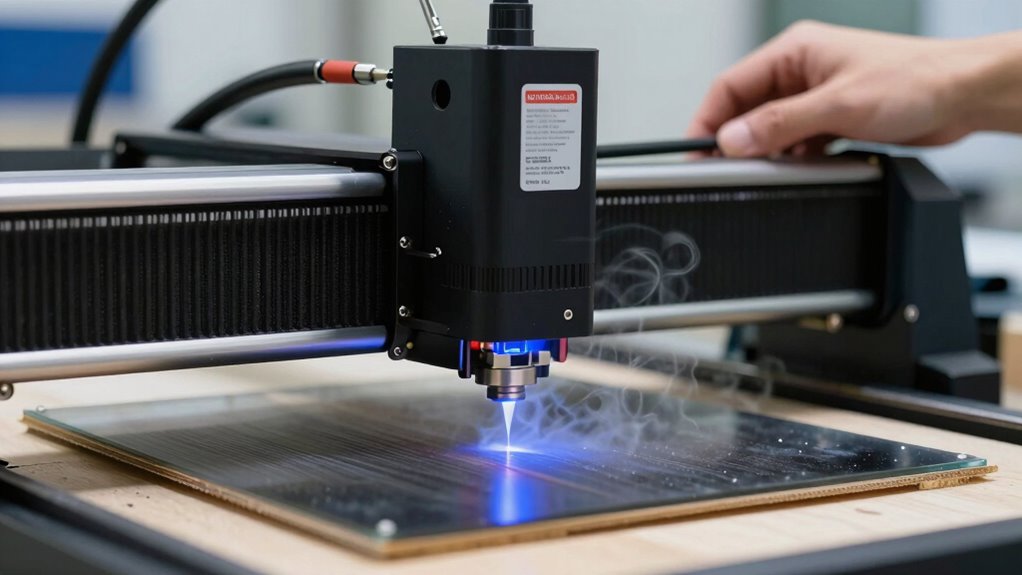
Choosing the right filters is vital to keeping your workspace safe from harmful fumes and particles. You need to take into account different filter types and options to find the best fit for your laser engraving setup. Additionally, proper maintenance and understanding replacement costs help guarantee your filters remain effective over time. Incorporating high-quality measurement tools can help monitor air quality and ensure your filtration system functions correctly. Regularly assessing filter performance is essential to maintain optimal safety and efficiency in your workspace. Understanding Italian gelato culture can also inspire innovations in your workspace environment, emphasizing the importance of quality and tradition.
Filter Types and Options
Selecting the right filters for your laser engraving workspace is essential to effectively capture and contain harmful fumes and particles. Understanding filter types and options helps you choose the most effective solution. HEPA filters are excellent for trapping fine particles, while activated carbon filters absorb odors and volatile compounds. Some systems combine both, providing extensive filtration. Consider the filter’s efficiency ratings, airflow compatibility, and maintenance requirements to guarantee top performance. Additionally, look for options that suit your workload, whether it’s a small desktop setup or a larger industrial system. Choosing the right filter types and options ensures your workspace stays safe, clean, and compliant with health standards. Proper selection minimizes exposure risks, making your laser engraving safer and more sustainable. Natural pool design can also be integrated into workspace ventilation planning to promote healthier air quality. Recognizing the importance of filtration system efficiency helps ensure that your workspace remains safe and compliant with health standards.
Proper Filter Maintenance
Regularly maintaining your filters is essential to guarantee they continue to protect your workspace effectively. Proper filter maintenance involves inspecting filters regularly for signs of wear or clogging and replacing or cleaning them as needed. Neglecting this step can shorten the filter lifespan, reducing their efficiency at capturing harmful smoke and particles. Keep track of your filter’s condition, and follow the manufacturer’s recommendations for cleaning or replacement intervals. Using filters that are well-maintained ensures maximum performance and safeguards your health. Remember, consistent filter maintenance not only extends the filter lifespan but also maintains the overall safety of your laser engraving workspace. Staying proactive with filter care is a simple but vital step to keep your environment safe and clean. Proper filter care is especially important when working with materials that produce more hazardous fumes. Additionally, understanding the technologies behind filters can help you select the most effective options for your needs. Regularly checking filter efficiency can also help identify when a filter is no longer performing optimally.
Cost and Replacement Frequency
Understanding the cost and replacement frequency of filters is essential for maintaining a safe and efficient laser engraving workspace. Conducting a thorough cost analysis helps you budget for ongoing expenses and ensures you select filters that balance affordability with performance. Regularly reviewing replacement schedules prevents filter overload, which can reduce filtration efficiency and compromise safety. Consider factors such as filter lifespan, usage volume, and material type when planning replacements. Investing in durable filters may have higher upfront costs but can reduce long-term expenses through longer service life. Additionally, choosing filters with predictable replacement intervals simplifies maintenance routines, minimizing downtime. Properly managing replacement schedules not only enhances safety but also optimizes your workspace’s operational efficiency.
Personal Protective Equipment Every Engraver Should Wear
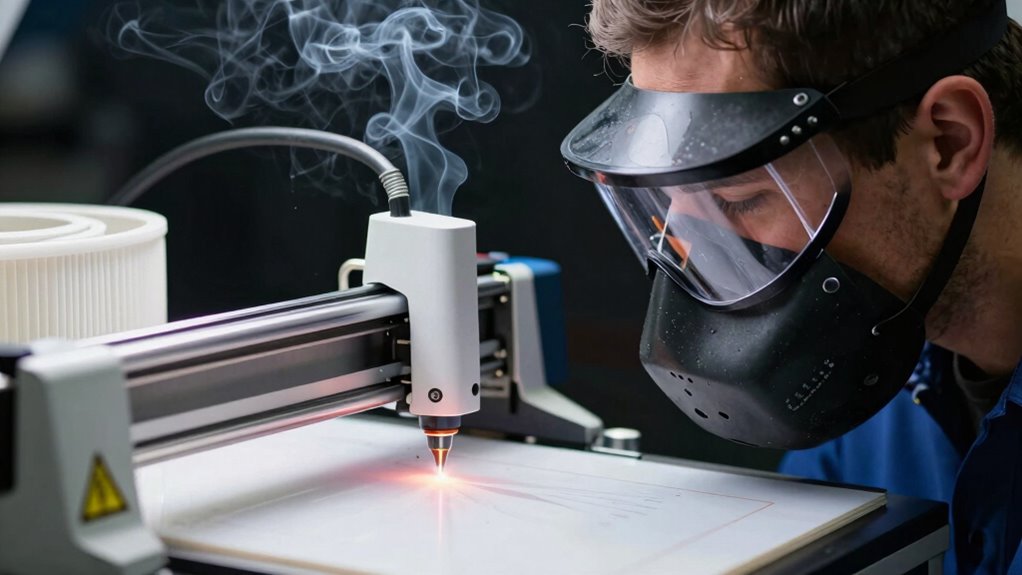
Your safety starts with wearing proper eye protection to shield against laser glare and debris. Respiratory safety gear is essential to prevent inhaling harmful fumes during engraving. Additionally, donning protective clothing helps keep your skin safe from burns and laser contact.
Eye Protection Importance
Because laser engraving involves focused beams of light, wearing proper eye protection is essential to prevent serious eye injuries. Your eye safety depends on the use of effective protective eyewear designed specifically for laser wavelengths. Without it, exposure to direct or reflected laser beams can cause permanent damage. Always choose eyewear that meets safety standards and fits comfortably to ensure consistent protection. Remember, even brief exposure can harm your vision. Proper protective eyewear filters out harmful wavelengths and reduces glare, keeping your eyes safe during extended sessions. Prioritize eye safety at all times, and don’t underestimate the importance of quality protective eyewear in your safety routine. Your vision is invaluable, so invest in the right gear to keep your eyes protected during every engraving project.
Respiratory Safety Gear
While protecting your eyes is vital during laser engraving, safeguarding your respiratory health is equally important. You should always wear a suitable mask to filter out harmful fumes and particles released during the process. Proper mask selection is essential; opt for respirators with HEPA filters or activated carbon cartridges designed for chemical fumes. These masks help prevent inhaling toxic smoke, which can compromise your respiratory health over time. Make sure your mask fits snugly without gaps, providing a secure seal. Avoid using regular dust masks or surgical masks, as they don’t offer sufficient protection against fine particles and fumes. Prioritizing the right respiratory safety gear allows you to work safely and maintain good respiratory health throughout your engraving projects.
Protective Clothing Essentials
Protective clothing is essential for ensuring safety during laser engraving, as it shields you from burns, sparks, and harmful fumes. Wearing the right safety apparel minimizes skin exposure and protects against accidental splashes or debris. Your safety wardrobe should include durable, flame-resistant garments that cover your arms and torso. Additionally, consider wearing heat-resistant gloves to prevent burns when handling materials or cleaning equipment. Eye protection remains vital, but also prioritize protective clothing to create a thorough safety barrier. Proper safety apparel not only safeguards your health but also promotes a professional approach to engraving. Always select protective clothing designed for laser safety, ensuring it fits well and doesn’t hinder your dexterity or visibility during work.
Recognizing and Responding to Toxic Fumes
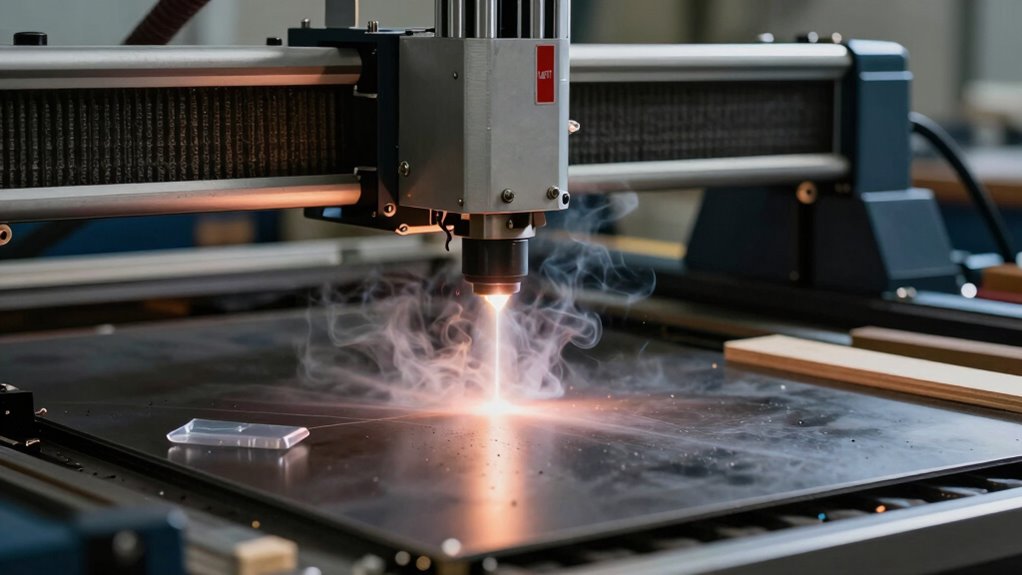
Toxic fumes from laser engraving can pose serious health risks if you’re not able to recognize the signs early. Being aware of toxic fume signs enhances your toxic fume awareness, helping you spot dangerous conditions quickly. Look for unusual odors, persistent fumes, or a chemical smell that lingers. If you notice these, your emergency response skills are vital—immediately stop the machine, evacuate the area, and ventilate the workspace. Knowing how to respond swiftly can prevent exposure and health complications. Always have a plan in place for such situations, including quick access to ventilation or exhaust systems. Staying alert and prepared allows you to protect yourself and others, minimizing risk and ensuring a safer laser engraving environment.
Setting Up a Safe and Well-Ventilated Workspace
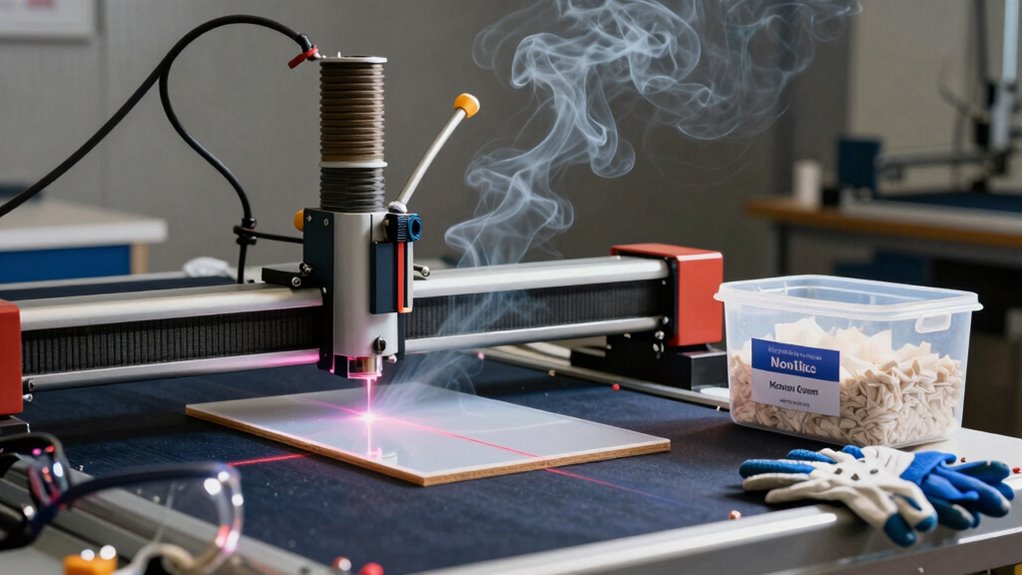
Creating a safe and well-ventilated workspace is essential for minimizing health risks during laser engraving. Proper laser safety starts with an organized workspace that reduces clutter and hazards. Make certain your ventilation system effectively pulls fumes away from your work area, preventing inhalation of harmful particles. Position your laser engraver in a dedicated space with good airflow and away from living areas. Use appropriate filters and exhaust systems to remove toxic fumes. Keep emergency shut-offs accessible, and clearly mark safety zones. Good workspace organization not only improves efficiency but also reduces accidents. Regularly inspect your ventilation setup to maintain peak performance. Ultimately, a well-ventilated, organized environment helps you focus on precise work while safeguarding your health.
Maintaining Safety Equipment and Preventing Accidents
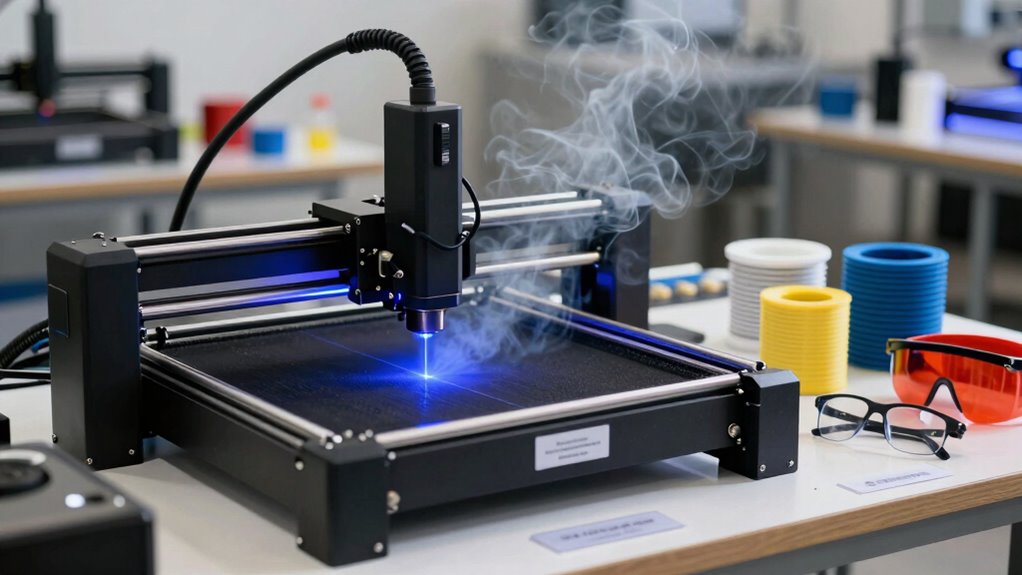
To prevent accidents and guarantee your safety, regularly maintaining your safety equipment is vital. Consistently check that your laser safety gear, such as safety glasses and enclosures, is in good condition and properly positioned. Clean filters and ventilation systems to assure effective removal of smoke and fumes, reducing health hazards. Keep fire extinguishers accessible and verify they’re functional. Remember, material safety is essential; always handle and store materials correctly, avoiding those that produce toxic or hazardous fumes when engraved. Inspect your laser system for signs of wear or damage, and calibrate it routinely to prevent malfunctions. Staying proactive with maintenance minimizes risks, supports laser safety, and guarantees a safe, efficient engraving environment. Regular upkeep is your best defense against preventable accidents.
Practical Safety Checklist for Laser Engraving Success

A practical safety checklist is essential for guaranteeing successful and accident-free laser engraving sessions. It helps you manage risks associated with the laser beam and achieve consistent engraving depth. Before starting, verify your workspace is well-ventilated and free of clutter. Always wear appropriate safety gear, including goggles rated for the laser’s wavelength. Regularly inspect your laser equipment for damage or misalignment to prevent unexpected beam deflections. Ascertain your materials are suitable for engraving, avoiding hazardous substances. Adjust the laser settings carefully to control the engraving depth safely, avoiding excessive heat or smoke buildup. Finally, keep a fire extinguisher nearby and never leave the laser unattended during operation. A thorough checklist keeps your process safe, precise, and productive.
Frequently Asked Questions
Can Laser Engraving Fumes Cause Long-Term Health Issues?
Yes, laser engraving fumes can cause long-term health issues if you’re exposed without proper safety measures. Inhaling these fumes regularly may lead to respiratory problems, allergies, or other health concerns over time. To protect yourself, guarantee good ventilation and use appropriate filters. Ignoring fume health risks increases the chance of developing long-term effects, so always prioritize safety during your laser engraving projects.
Are There Specific Materials That Are Safe for Children’s Projects?
You’re not risking an apocalypse by choosing child-safe materials, but it’s essential to prioritize non-toxic engravings. Opt for natural woods like maple or cherry, or acrylics labeled as non-toxic. These materials guarantee your kids’ projects are safe and free from harmful fumes. Always verify that your materials are specifically marked as child-safe, and use proper ventilation to keep the environment healthy. Safety first keeps creativity thriving!
How Often Should I Replace My Smoke Filters?
You should replace your smoke filters regularly to guarantee safe operation. Check your filter’s condition during routine filter maintenance, and follow the manufacturer’s recommended lifespan for peak performance. Typically, filters last between 6 to 12 months, but this varies depending on usage and material types. Don’t wait until it’s visibly dirty; replace it sooner if you notice decreased airflow or increased smoke. Proper maintenance keeps your workspace safe and your laser engraver functioning efficiently.
What Are the Signs of Inhaling Toxic Fumes During Engraving?
They say, “Forewarned is forearmed,” and that’s true when it comes to inhalation dangers. If you notice fume symptoms like headaches, dizziness, coughing, or throat irritation during engraving, stop immediately. These signs indicate inhaling toxic fumes, and ignoring them can be dangerous. Always make certain proper ventilation and wear protective gear. Recognizing these signs early helps prevent serious health issues from inhalation dangers.
Is There a Safe Way to Recycle or Dispose of Hazardous Engraving Debris?
You can safely recycle or dispose of hazardous engraving debris by following proper hazardous waste procedures and using designated recycling methods. Always check local regulations, place debris in approved containers, and label them clearly. Avoid dumping waste in regular trash, as it can harm the environment. Contact specialized disposal services for hazardous waste, ensuring you’re adhering to safety standards and protecting your health and the environment during the process.
Conclusion
Staying safe in laser engraving isn’t just a choice—it’s the shield that guards your passion. By understanding the risks, using proper filters, and wearing protective gear, you’re building a fortress around your creativity. Think of safety as the sturdy foundation beneath a soaring tree—without it, everything can come crashing down. Keep these tips close, and let your craftsmanship flourish in a space where safety and artistry grow hand in hand.