

The Torres Strait Treaty grants Indigenous communities cross-border rights to access land and sea areas for cultural and subsistence activities, ensuring their traditions and connection to the land are preserved. It promotes cooperation between Australia and Papua New Guinea, focusing on jointly protecting ecosystems and resources. The treaty also offers mechanisms for resolving conflicts and fostering respectful dialogue. If you want to explore how these agreements balance cultural needs with environmental challenges, there’s more to uncover.
Key Takeaways
- The treaty grants Indigenous communities cross-border access for cultural and subsistence activities, respecting their traditional land and sea connections.
- It promotes joint environmental management of marine and terrestrial ecosystems, integrating traditional knowledge and scientific practices.
- The treaty establishes mechanisms for resolving conflicts related to resource use and environmental threats peacefully.
- It balances cultural preservation with sustainable resource use, preventing overfishing, habitat destruction, and cultural erosion.
- The treaty serves as a model for cross-border cooperation, emphasizing Indigenous rights, environmental stewardship, and peaceful dialogue.

The Torres Strait Treaty is a pivotal agreement that governs the rights and responsibilities of Indigenous communities and governments across the Australia-Papua New Guinea border. As someone interested in understanding how cross-border cooperation works, you’ll find that this treaty plays a essential role in balancing cultural preservation and environmental management. It recognizes the unique relationship Indigenous communities have with their land and sea, ensuring they can maintain their traditional practices while safeguarding the environment they depend on.
Through this treaty, you see how Indigenous groups retain the right to access their customary lands and waters for cultural and subsistence activities. This access isn’t just about physical movement; it’s about preserving their ancestral traditions, languages, and spiritual connections tied to specific sites and ecosystems. By respecting these rights, the treaty helps prevent cultural erosion that often accompanies external development or border restrictions. It empowers Indigenous communities to pass their traditions on to future generations, maintaining their identity within a shared landscape that spans two nations.
Environmental management is another core focus of the treaty. You might notice that it encourages collaborative efforts to monitor and protect marine resources, coral reefs, and terrestrial habitats. This cooperation is essential because ecological health doesn’t recognize political borders. Indigenous communities, who are often the most active stewards of the land and sea, work alongside governments to implement sustainable practices. This joint approach helps prevent overfishing, habitat destruction, and pollution, ensuring that the region’s rich biodiversity remains resilient. Additionally, the treaty emphasizes the importance of scientific approaches and traditional knowledge in environmental stewardship.
The treaty also provides mechanisms for conflict resolution, which is essential when traditional practices intersect with modern interests. You can see how the agreement fosters respectful dialogue, allowing communities to address concerns about resource use or environmental threats without resorting to confrontations. This ongoing dialogue helps maintain harmony and ensures that both cultural and environmental considerations stay at the forefront of cross-border interactions.
Ultimately, the Torres Strait Treaty exemplifies how respecting Indigenous rights and promoting environmental stewardship can go hand-in-hand. You understand that the treaty isn’t just about legal boundaries but about fostering a shared sense of responsibility. It encourages communities and governments to work together, blending traditional knowledge with scientific approaches, to protect this unique region’s cultural and ecological integrity. By doing so, it offers a model for peaceful cooperation and sustainable management that others can learn from as border regions worldwide face similar challenges.

Indigenous (2014) (Region 2)
Indigenous (2014) (Region 2)
As an affiliate, we earn on qualifying purchases.
As an affiliate, we earn on qualifying purchases.
Frequently Asked Questions
How Does the Treaty Impact Indigenous Cultural Practices?
The treaty safeguards your Indigenous traditions by allowing cultural exchanges and visits without legal barriers, fostering the preservation of customs. You can freely share ceremonies, stories, and practices across borders, strengthening community ties. This respect for Indigenous culture guarantees that your traditions remain vibrant and authentic, enriching both communities. The treaty’s recognition of your rights promotes ongoing cultural identity and mutual understanding, making it easier to maintain your heritage in a cross-border context.
What Enforcement Mechanisms Are in Place for Treaty Violations?
You might think border patrols and legal sanctions keep everyone in check, but violations still happen. When they do, enforcement relies on joint patrols and legal sanctions imposed by both Australia and Papua New Guinea. It’s almost amusing how these mechanisms aim to prevent breaches, yet the treaty’s flexibility respects indigenous rights, making enforcement a delicate dance. Still, enforcement remains essential to maintain peace and cooperation in this shared region.
Are There Any Recent Amendments to the Treaty?
There haven’t been any recent amendments to the Torres Strait Treaty. You should know that the treaty continues to manage maritime boundaries and cross-border cooperation effectively. Border patrols play a vital role in ensuring compliance, preventing illegal activities, and maintaining peaceful relations between Australia and Papua New Guinea. Staying updated on any treaty changes is important, but currently, the existing framework remains intact, supporting the region’s stability and indigenous rights.
How Are Disputes Under the Treaty Resolved?
When disputes arise over maritime boundaries under the treaty, you’ll find that dispute resolution relies on peaceful methods like negotiation and diplomatic dialogue. If talks stall, parties may turn to arbitration or international courts to settle disagreements. The treaty emphasizes cooperation and respect, ensuring that conflicts are managed constructively. This approach keeps the peace intact, but the process’s outcome can still hold surprises, shaping the future of cross-border relations in this sensitive region.
What Environmental Protections Are Included in the Treaty?
You benefit from environmental protections in the treaty, which emphasize marine conservation and wildlife protection. It requires both Australia and Papua New Guinea to cooperate on preserving marine ecosystems and managing fishing activities sustainably. The treaty encourages joint efforts to prevent illegal fishing, protect coral reefs, and safeguard local wildlife. These measures help maintain the health of the region’s environment, ensuring resources are available for future generations and supporting local communities’ livelihoods.

UbiBot WS1 WiFi Environmental Sensor: Temp, Humidity, Light Monitoring | External Probe | Alerts, Schedule Reports & Device Sharing | Local Deployment| IFTTT & Alexa | 2.4GHz WiFi, No Hub Needed
Easy Setup & Connectivity: Quick setup via the UbiBot App or PC tools. Supports 2.4GHz WiFi for easy…
As an affiliate, we earn on qualifying purchases.
As an affiliate, we earn on qualifying purchases.
Conclusion
As you navigate the complexities of the Torres Strait Treaty, remember that cross-border rights, cultural preservation, and environmental sustainability are intertwined. You must respect traditions, uphold sovereignty, and face challenges head-on. You’re called to balance cooperation with protection, dialogue with action, and sovereignty with shared responsibility. By understanding these intertwined elements, you can contribute to a future where cross-border relationships foster respect, resilience, and unity—building bridges that honor both heritage and harmony across the Torres Strait.
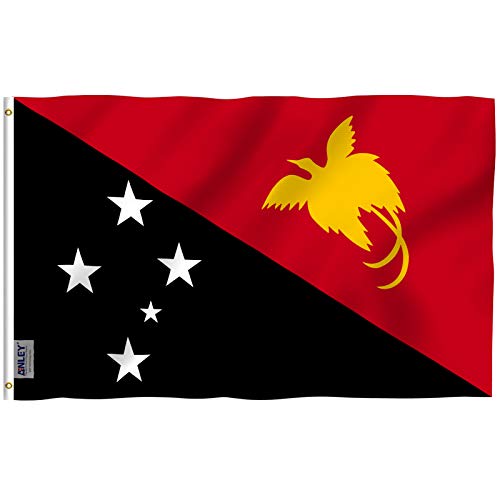
Anley Fly Breeze 3×5 Feet Papua New Guinea Flag – Vivid Color and Fade Proof – Canvas Header and Double Stitched – Papuan Flags Polyester with Brass Grommets 3 X 5 Ft
Fly breeze series – This flag is ideal for low-wind area. The lightweight design allows the flag to…
As an affiliate, we earn on qualifying purchases.
As an affiliate, we earn on qualifying purchases.

coiyie Dog Poop Bags, 120 Pcs Biodegradable Dog Waste Bags, Leak Proof Waste Bag for Dogs
Leakproof Protection: Thick corn starch blend material blocks liquid and odor leak-proof for safe cleanups no mess on…
As an affiliate, we earn on qualifying purchases.
As an affiliate, we earn on qualifying purchases.