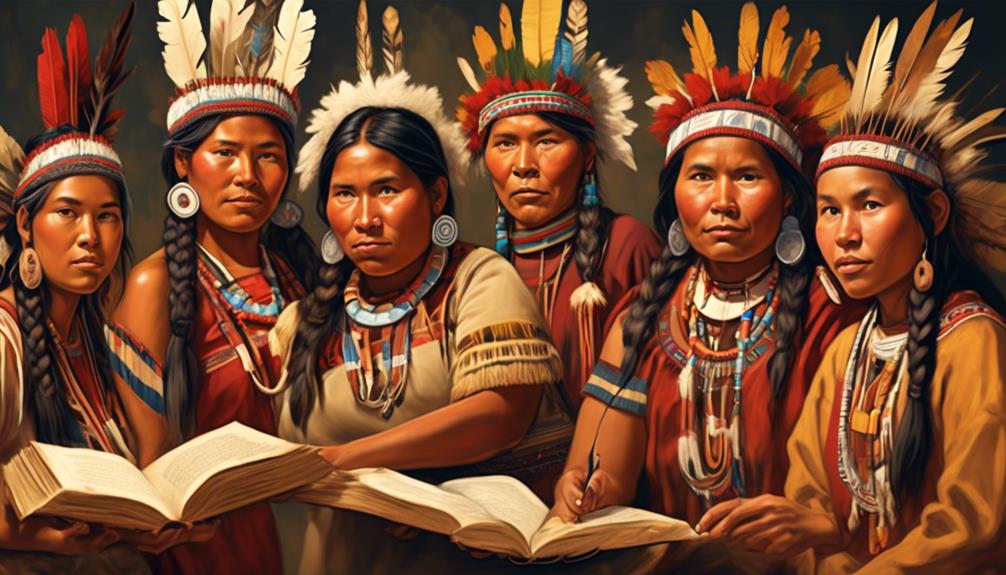
Reconstructing Palawa Kani is vital for reviving Tasmania’s Aboriginal languages and cultural identity. This process blends fragments of historical records, word lists, and linguistic research to create a living language. It involves community efforts like workshops and ceremonies to connect people with their heritage. By supporting this project, you help preserve rich traditions and foster pride among Indigenous communities. Stay with us to discover more about how this powerful effort continues to grow and inspire.
Key Takeaways
- Palawa Kani was reconstructed from historical records, word lists, and linguistic research, blending fragments of various Tasmanian dialects.
- The project involves collaboration among community members, linguists, and cultural advocates to revive the language.
- Language revival efforts include workshops, educational programs, and cultural ceremonies to promote usage and cultural connection.
- Reconstructing Palawa Kani helps preserve Tasmania’s cultural history, traditions, and strengthens community identity.
- The revival symbolizes cultural resilience, empowering the Tasmanian Aboriginal community and ensuring their stories and heritage endure.

Have you ever wondered how languages can be brought back from the brink of extinction? It’s a fascinating process that involves more than just collecting words; it’s about revitalizing a culture’s very identity. When it comes to Tasmanian Aboriginal languages, the story of Palawa Kani exemplifies this powerful journey. After years of silence and loss, efforts to revive these languages have gained momentum, driven by a deep respect for cultural significance and a desire to reconnect with ancestral roots. You might not realize it, but language revival is an essential step in preserving the rich history and traditions of the Tasmanian Aboriginal community. By reconstructing Palawa Kani, language revival becomes a tool for cultural resilience, allowing descendants to regain a voice that was nearly lost forever.
Palawa Kani isn’t just a collection of words; it’s a symbol of cultural survival. The language was reconstructed using historical records, word lists, and linguistic research, blending fragments of various dialects once spoken across Tasmania. This process exemplifies how community members, linguists, and cultural advocates work together to piece together a language that holds deep cultural importance. When you learn or hear Palawa Kani, you’re engaging with a language that embodies the history, stories, and identities of a people who fought to keep their heritage alive despite centuries of displacement and suppression. The effort to revive this language underscores the importance of cultural significance—it’s about more than communication; it’s about honoring ancestors and reclaiming a sense of belonging.
Palawa Kani symbolizes cultural survival, blending dialects to honor ancestors and reclaim Tasmanian Aboriginal identity.
The revival of Palawa Kani also serves as a powerful reminder that language is a living, breathing part of culture. When you participate in learning or promoting it, you help sustain a community’s cultural identity. Language revival projects often involve community workshops, educational programs, and cultural ceremonies, all aimed at embedding the language into daily life. This process helps younger generations connect with their heritage, fostering pride and resilience. You can see how each word and phrase carries layers of meaning, history, and emotion—elements that define a people’s way of life. By supporting efforts to keep Palawa Kani alive, you’re contributing to an ongoing cultural revival that ensures this invaluable part of Tasmania’s history isn’t lost again.
Moreover, understanding the linguistic research and cultural significance behind the reconstruction process enhances appreciation for the intricate work involved in language revival. Ultimately, the story of Palawa Kani highlights how language revival is about more than words—it’s about restoring a community’s spirit and cultural importance. When you understand this, you see that each step taken toward reconstructing and embracing the language is a step toward healing and empowerment. It’s a tribute to the resilience of Tasmanian Aboriginal people and their unwavering commitment to preserving their identity for future generations. Through these efforts, the stories, traditions, and history of Tasmania’s First Peoples continue to thrive, reminding us all of the power of language to transform and sustain cultural legacy.

Life of Fred Middle School Language Arts 4-Book Set : Australia, Begin Teaching, Classes, and Dreams
Set of 4 Life of Fred books teaching Language Arts Skills, Middle School
As an affiliate, we earn on qualifying purchases.
As an affiliate, we earn on qualifying purchases.
Frequently Asked Questions
How Many Speakers Currently Use Palawa Kani Daily?
You might be surprised to learn that only a small number of people actively speak Palawa Kani daily, as language revitalization efforts are still growing. Community engagement remains essential, and those involved are passionate about keeping the language alive. While exact numbers are hard to pin down, the focus is on encouraging more speakers through education and cultural programs, ensuring Palawa Kani’s future for generations to come.
What Tools Are Available to Learn Palawa Kani?
Did you know that fewer than 50 people regularly speak Palawa Kani? To learn the language, you can explore language learning apps designed for indigenous languages, which offer interactive lessons and resources. Additionally, community workshops provide hands-on practice and cultural insights. These tools help you connect with the language actively, making your learning experience richer and more meaningful. Immerse yourself and embrace this unique linguistic heritage today!
How Does Palawa Kani Influence Tasmanian Cultural Identity?
Palawa Kani strengthens your Tasmanian cultural identity by fostering Indigenous sovereignty and cultural revitalization. When you embrace the language, you reconnect with ancestral traditions, affirming your community’s independence and heritage. This revitalization empowers you and others to preserve unique stories and customs, promoting pride and resilience. By learning and speaking Palawa Kani, you actively participate in honoring your ancestors and ensuring that Tasmanian Aboriginal culture endures for future generations.
Are There Any Ongoing Efforts to Expand the Vocabulary?
Imagine a language waiting to be reborn—yes, there are ongoing efforts to expand the vocabulary of Palawa Kani. You can get involved in vocabulary development by participating in community projects, workshops, and linguistic research. Your engagement helps preserve and enrich this essential cultural heritage, ensuring it thrives for future generations. Every new word you help develop strengthens the connection between past and present, making the language more vibrant and complete.
How Authentic Is Palawa Kani Compared to Original Languages?
You might wonder about Palawa Kani’s linguistic authenticity, and it’s quite credible given the careful reconstruction methods used. Experts analyze historical records, oral traditions, and comparative linguistics to rebuild the language. While it may not perfectly match the original, these reconstruction methods aim to preserve cultural integrity and linguistic roots. So, Palawa Kani offers a respectful and meaningful approximation, honoring the language’s heritage despite inevitable gaps.

Advanced Language Tool Kit: Teaching the Structure of the English Language
As an affiliate, we earn on qualifying purchases.
As an affiliate, we earn on qualifying purchases.
Conclusion
By learning about Palawa Kani, you become part of a crucial journey to revive Tasmania’s lost voices. Imagine the power of restoring a language—like uncovering a hidden treasure buried deep within history. Every word spoken brings you closer to reconnecting with the island’s rich cultural roots. So, embrace this revival; let your voice be a bridge to the past, ensuring these ancient stories and traditions never fade into silence again.
Indigenous language revival workshop materials
As an affiliate, we earn on qualifying purchases.
As an affiliate, we earn on qualifying purchases.
Tasmanian Aboriginal cultural heritage DVD
As an affiliate, we earn on qualifying purchases.
As an affiliate, we earn on qualifying purchases.