Indigenous communities are essential partners in wildlife protection, using traditional knowledge and practices honed over generations. Their methods, like seasonal hunting, sacred sites, and storytelling, promote sustainable coexistence with nature. Their deep cultural values foster a shared responsibility and respect for wildlife, making conservation efforts more effective. Combining their knowledge with modern science enhances protection strategies. If you want to understand how these age-old customs continue shaping conservation today, there’s much more to discover.
Key Takeaways
- Indigenous communities use traditional knowledge and practices to sustainably manage and protect wildlife populations.
- Sacred sites and rituals reinforce cultural values that promote conservation and respect for nature.
- Community engagement and collective responsibility enhance the effectiveness and acceptance of conservation efforts.
- Traditional ecological methods are adaptable, practical, and often complement modern conservation strategies.
- Integrating indigenous knowledge with scientific approaches fosters culturally sensitive and sustainable protection of biodiversity.
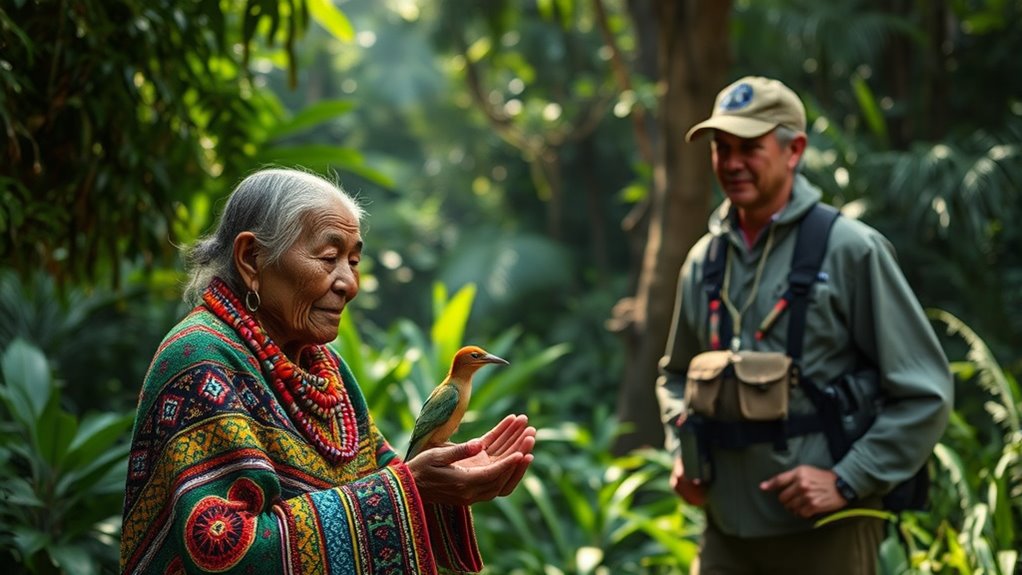
Have you ever wondered how indigenous communities have preserved and protected wildlife for generations? It’s a fascinating story of deep-rooted knowledge, respect for nature, and active participation. Indigenous communities engage in community engagement that is built on a foundation of traditional practices, which serve as the backbone of their conservation efforts. These practices aren’t just rituals or cultural customs; they are practical, sustainable methods that have been refined over centuries to maintain the delicate balance between humans and their environment. When you observe how these communities interact with their surroundings, you see that their approach isn’t about exploiting resources but about living in harmony with them.
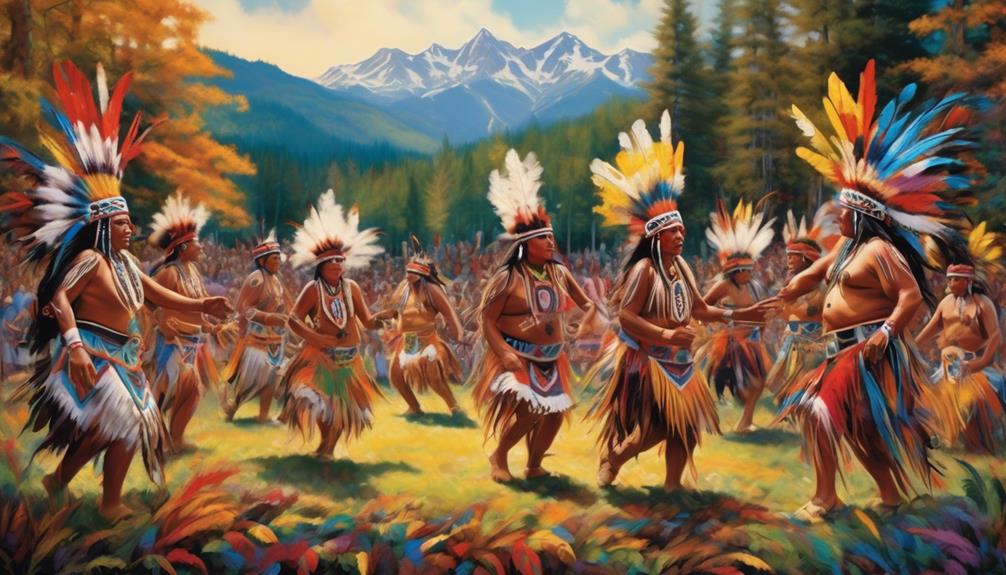
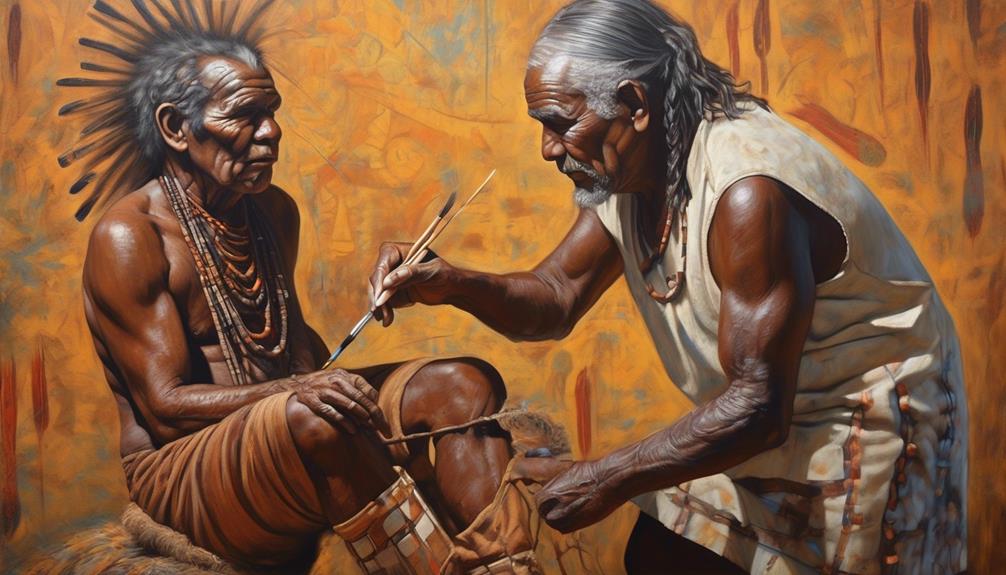
Traditional practices often include specific hunting and fishing techniques that ensure wildlife populations remain healthy. For example, certain communities use seasonal hunting to prevent overharvesting, respecting the natural reproductive cycles of animals. They might also employ sacred sites where animals are protected, reinforcing conservation through spiritual and cultural significance. These practices are passed down through generations, creating a sense of responsibility and stewardship that’s embedded in their cultural identity. This transfer of knowledge isn’t passive; it’s actively reinforced through storytelling, rituals, and community participation, ensuring that everyone understands their role in safeguarding wildlife.
Traditional hunting, sacred sites, and storytelling foster community responsibility for wildlife conservation.
Community engagement plays a crucial role in this process. It’s not just about individual actions but about collective responsibility. Indigenous leaders often organize community meetings to discuss conservation strategies, blending traditional knowledge with contemporary ecological science. This inclusive approach encourages everyone to participate, fostering a shared sense of ownership over local ecosystems. As a result, conservation becomes a communal effort, not something imposed from outside. It’s rooted in trust, cultural values, and practical understanding. When you see indigenous communities working together to protect their environment, you realize that their traditional practices are more than cultural relics—they’re effective, adaptive tools for conservation.
Moreover, community engagement ensures that conservation efforts are culturally appropriate and locally accepted. This local buy-in makes it easier to implement sustainable practices that are compatible with traditional lifestyles. Indigenous communities often serve as stewards of vast tracts of land and wildlife, maintaining ecological integrity because they see themselves as part of the ecosystem. Their traditional practices, honed over generations, provide a blueprint for sustainable living that modern conservation initiatives often overlook. Additionally, understanding the role of traditional ecological knowledge can enhance modern conservation strategies by integrating time-tested practices. Recognizing and supporting these practices can lead to more effective, culturally sensitive conservation strategies that benefit both wildlife and local communities. In the end, it’s clear that indigenous knowledge, combined with active community participation, offers powerful solutions for protecting wildlife now and into the future.

Healing the Land Teaches Us Who We Are: How Indigenous Cultural Resistance Can Restore the Earth, Recover Community, and Create Sustainable Futures
As an affiliate, we earn on qualifying purchases.
As an affiliate, we earn on qualifying purchases.
Frequently Asked Questions
How Do Indigenous Practices Influence Modern Conservation Strategies?
You see that indigenous practices influence modern conservation strategies through traditional stewardship, which emphasizes respect and sustainable resource use. By integrating cultural preservation, you help maintain ecosystems and respect indigenous values. These practices often promote biodiversity and sustainable management, offering valuable insights for contemporary efforts. Recognizing and incorporating traditional stewardship encourages collaboration and creates more effective, culturally sensitive conservation strategies that benefit both nature and indigenous communities.
What Are Examples of Successful Indigenous-Led Conservation Projects?
You can look at community-led initiatives like the Indigenous Guardians programs in Canada, which empower local communities to manage and protect their ecosystems using traditional ecological knowledge. Another example is the Maasai’s pastoral land management in Kenya, where indigenous practices sustain wildlife and habitats. These projects succeed because they integrate traditional ecological knowledge with modern conservation, fostering sustainable practices and empowering indigenous communities to actively safeguard their environment.
How Can Indigenous Communities Be Better Integrated Into Global Conservation Efforts?
Imagine a crucial thread woven into the fabric of global conservation. You can help by advocating for policies that prioritize cultural preservation and actively include indigenous voices. Engage communities as partners, respecting their traditional knowledge and rights. By integrating indigenous perspectives into decision-making, you strengthen conservation efforts and preserve cultural heritage, creating a more inclusive and effective approach. Your support can guarantee these communities remain central to protecting our planet’s biodiversity.
What Challenges Do Indigenous Knowledge Systems Face in Conservation?
You face challenges like lack of legal recognition, which prevents indigenous knowledge from being officially valued or protected. Cultural erosion also threatens the continuity of traditional practices, reducing the community’s ability to contribute effectively to conservation. These issues hinder your ability to fully integrate indigenous insights, risking the loss of essential ecological knowledge. Addressing legal recognition and safeguarding cultural heritage are critical steps to empower indigenous communities in conservation efforts.
How Is Indigenous Youth Involvement Shaping Future Conservation Initiatives?
You see that indigenous youth involvement is crucial in shaping future conservation initiatives through youth empowerment and cultural preservation. As young people actively participate, they bring fresh ideas and a strong connection to their traditions, ensuring sustainable practices continue. Their engagement fosters a sense of responsibility and pride, inspiring broader community support. This intergenerational exchange strengthens conservation efforts, blending traditional knowledge with innovative approaches for a resilient and inclusive future.
sacred sites wildlife protection map
As an affiliate, we earn on qualifying purchases.
As an affiliate, we earn on qualifying purchases.
Conclusion
As you step into the lush forests and open savannas, remember that your connection with indigenous knowledge is like a gentle breeze guiding conservation efforts. Together, you help protect the vibrant tapestry of wildlife, from the whispering leaves to the shimmering waters. By honoring these ancient traditions, you become a guardian of nature’s delicate balance—ensuring future generations can marvel at the wild beauty that surrounds us all.

Volleyball Coaching: Ecological Approach vs. Traditional Methods: A Simple Guide for Tomorrow's Coaches (The Technical Guides of Volleyball Hub Pro)
As an affiliate, we earn on qualifying purchases.
As an affiliate, we earn on qualifying purchases.

Conservation Mounting for Prints and Drawings
As an affiliate, we earn on qualifying purchases.
As an affiliate, we earn on qualifying purchases.