
The Wave Hill Walk-Off of 1966 was a key moment in Indigenous activism when the Gurindji people, led by Vincent Lingiari, walked off Wave Hill station to protest poor conditions and land dispossession. This act of resistance challenged colonial land policies and highlighted the importance of land for cultural identity. It gained national and international attention, inspiring stronger land rights movements and leading to significant changes. Discover more about how this event transformed Australia’s approach to Indigenous rights.
Key Takeaways
- The Wave Hill Walk-Off was initiated by Gurindji people in 1966 to protest poor working conditions and land dispossession.
- Led by Vincent Lingiari, it marked a significant act of Indigenous activism and resistance.
- The strike drew national and international attention to injustices faced by Aboriginal Australians.
- It became a catalyst for the Indigenous land rights movement and inspired broader activism.
- The event contributed to the passing of the Aboriginal Land Rights (Northern Territory) Act in 1976.

In 1966, a pivotal moment in Australia’s Indigenous rights movement unfolded when the Gurindji people, led by Vincent Lingiari, walked off their Wave Hill cattle station in Northern Territory to protest poor working conditions and land dispossession. This act of Indigenous activism marked a significant turning point, challenging the long-standing colonial history that had systematically marginalized Aboriginal Australians. For years, colonial authorities had dispossessed the Gurindji of their traditional lands, viewing them as resources to be exploited for economic gain. The Wave Hill strike wasn’t just about better wages; it became a powerful symbol of resistance against land theft and cultural suppression. You see, this act of defiance was rooted in centuries of colonial history that ignored Indigenous sovereignty and treated land as property rather than as a sacred connection integral to their identity.
The Gurindji’s walk-off drew national and international attention, shining a spotlight on the injustices faced by Aboriginal Australians. It highlighted the ongoing impacts of colonial policies that displaced Indigenous communities and denied them control over their ancestral lands. As you follow this story, it becomes clear that the strike wasn’t merely about labor rights; it was about reclaiming land and dignity. Vincent Lingiari and his people understood that land was central to their cultural survival and spiritual well-being. Their activism challenged the narrative that Indigenous Australians were passive victims of colonial conquest, instead positioning them as active agents fighting for justice.
This moment also marked the beginning of a more organized Indigenous activism movement that would grow over the following decades. The Wave Hill walk-off galvanized other Indigenous communities, inspiring them to stand up for their rights and push for recognition. It served as a catalyst for broader land rights activism, eventually leading to the historic Aboriginal Land Rights (Northern Territory) Act in 1976. You can see how this event disrupted the colonial legacy of land dispossession, forcing the government to confront its historical injustices. The strike’s success demonstrated that Indigenous Australians could mobilize and demand their rights, shifting the narrative from one of victimhood to resilience and activism.

You Are On Native Land: A Charity Comic for Indigenous Rights
As an affiliate, we earn on qualifying purchases.
As an affiliate, we earn on qualifying purchases.
Frequently Asked Questions
Who Were the Key Leaders of the Wave Hill Walk-Off?
You should know that key leaders of the Wave Hill walk-off include Vincent Lingiari, a prominent Aboriginal activist, and senior Gurindji elders like Daguragu and others who played crucial roles in Aboriginal activism. Their leadership dynamics united the community, inspiring widespread support for land rights. These leaders helped mobilize their people, highlighting the importance of cultural identity and justice, ultimately sparking a historic movement for Indigenous land claims and rights in Australia.
What Were the Long-Term Impacts on Indigenous Land Rights?
You see that the Wave Hill walk-off considerably impacted land rights by inspiring policy changes that acknowledged Indigenous claims. It raised awareness and pressured government authorities to recognize native land rights officially. Over time, this led to land rights legislation, land restitution, and greater Indigenous involvement in land management. The walk-off marked a turning point, fostering long-term progress toward justice, recognition, and the empowerment of Indigenous communities in Australia.
How Did the Government Respond to the Strike Initially?
Like a thunderclap, the government responded with a crackdown, viewing the strike as a threat to order. They deployed police to disperse protesters and limited media coverage to control the narrative. This initial reaction aimed to suppress the movement, but it only fueled public sympathy and drew more attention to indigenous land rights. Your awareness of this response reveals how authority often seeks to silence, yet history shows resistance persists.
Were There Any International Reactions to the Walk-Off?
You’ll find that the Wave Hill walk-off drew international solidarity and increased global awareness about Indigenous land rights. Countries and organizations expressed support, highlighting injustices faced by Aboriginal Australians. This worldwide attention put pressure on the government to reconsider its policies and foster change. The strike’s international reaction helped galvanize the movement, showing that struggles for justice resonate beyond borders and inspire global conversations about Indigenous rights and land sovereignty.
What Specific Demands Did the Protesters Have During the Strike?
You might be surprised to learn that during the strike, protesters demanded recognition of aboriginal sovereignty and land reclamation rights. They specifically sought fair wages, better working conditions, and the return of land taken from their community. Their demands aimed to restore control over their land and assert their rights, highlighting the importance of land rights in Indigenous struggles for justice. This strike marked a pivotal moment in Australia’s land rights movement.
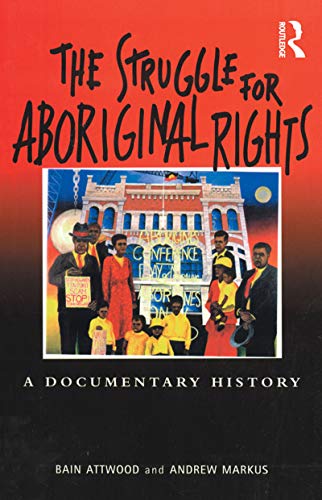
The Struggle for Aboriginal Rights: A documentary history
As an affiliate, we earn on qualifying purchases.
As an affiliate, we earn on qualifying purchases.
Conclusion
As you reflect on the Wave Hill Walk-Off, imagine a ripple across a still pond, spreading hope and change. That single act of resistance ignited flames of justice, awakening a nation’s conscience. The land, once silent and unyielding, now echoes with voices demanding rightful ownership. Like a seed planted deep in the earth, its roots grow stronger with each passing year, reminding us that even small acts can turn the tide and shape a brighter future.

WATINC 7PCS Ancient Civilizations Poster Set, Social Studies Classroom Learning Materials Decorations, Educational World History Timeline Poster Study Materials for Primary Middle High School Supplies
Surprising Quantity and Style -Our ancient civilizations poster measure roughly 13.8×11 inches. You will receive 7 different styles…
As an affiliate, we earn on qualifying purchases.
As an affiliate, we earn on qualifying purchases.

Freedom Day: Vincent Lingiari and the Story of the Wave Hill Walk-Off
As an affiliate, we earn on qualifying purchases.
As an affiliate, we earn on qualifying purchases.