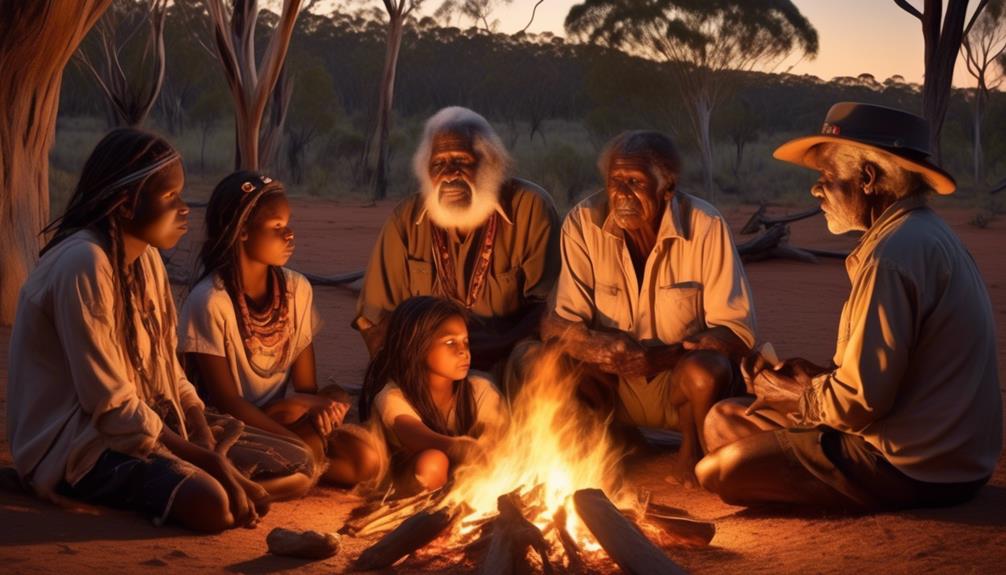
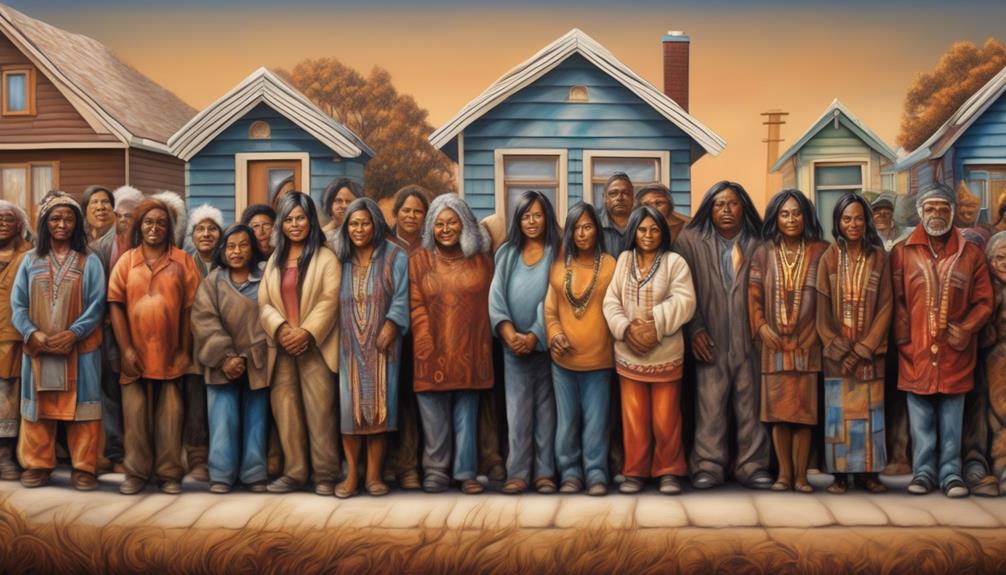
Community-led solutions are essential for improving Aboriginal health and wellbeing because they put local voices at the center of decision-making. When communities take charge, they develop culturally relevant practices rooted in traditional knowledge and strengths, fostering trust and sustainability. This approach not only addresses physical health but also nurtures mental, emotional, and spiritual wellbeing. Supporting Indigenous leadership helps create lasting change, so if you want to explore how these strategies build resilience and social connection, keep exploring further.
Key Takeaways
- Community-led approaches empower Aboriginal communities, fostering ownership and culturally relevant health solutions.
- Integrating traditional knowledge and holistic practices improves engagement and health outcomes.
- Building trust through active participation ensures sustainable, culturally appropriate health initiatives.
- Strengthening cultural resilience supports identity, mental health, and social stability.
- Indigenous leadership in health planning ensures solutions reflect community needs and values.
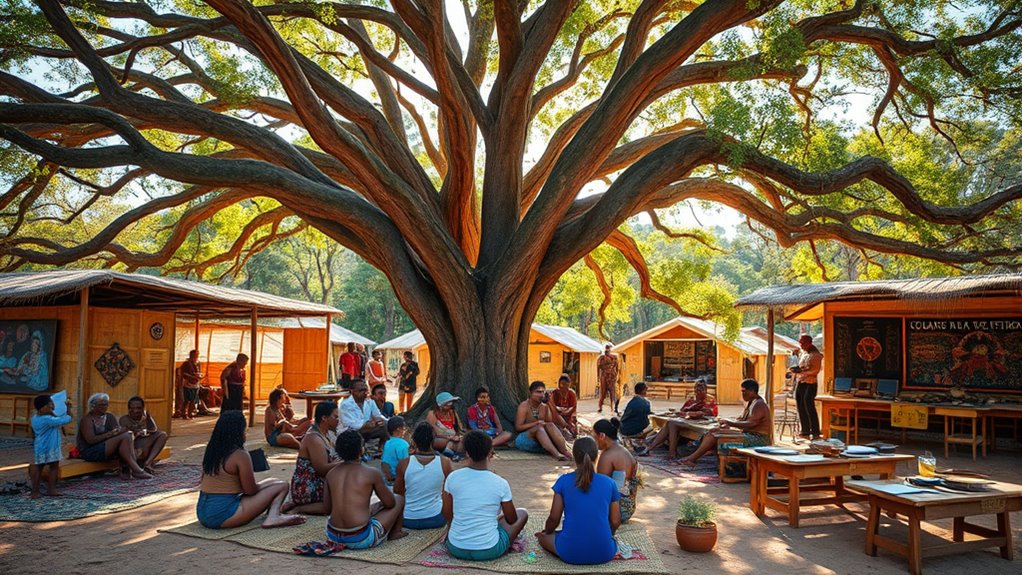
Have you ever wondered how empowering communities can transform Aboriginal health and wellbeing? When communities take the lead in shaping their health initiatives, they foster a sense of ownership and confidence that drives meaningful change. Indigenous empowerment becomes the cornerstone of these efforts, giving Aboriginal people the authority and resources to design solutions that truly reflect their needs and values. This approach moves away from top-down models that often overlook cultural nuances, instead prioritizing local voices and experiences. By empowering communities, you enable the preservation and strengthening of cultural resilience—the deep-rooted ability of Aboriginal peoples to maintain their identity, traditions, and practices despite outside pressures. Cultural resilience isn’t just about surviving; it’s about thriving within one’s cultural context, which has a profound impact on overall health and wellbeing.
Empowering communities strengthens cultural resilience and transforms Aboriginal health through local ownership and traditional knowledge.
When communities lead their health projects, they tap into a wealth of traditional knowledge and practices that modern healthcare systems may overlook. These practices often include holistic approaches that address physical, emotional, spiritual, and social wellbeing. By integrating cultural knowledge into health services, communities create more accessible and relevant programs, which encourages higher engagement and better health outcomes. Indigenous empowerment isn’t merely about giving control; it’s about respecting and valuing the expertise that community members hold. When people feel their cultural identity is recognized and celebrated, they experience a strengthened sense of belonging and purpose, which considerably impacts mental health and resilience. Additionally, fostering collaborative relationships between community members and health providers can further enhance program effectiveness and sustainability.
Furthermore, community-led solutions foster trust between health providers and Aboriginal populations. When communities are involved in decision-making, they’re more likely to participate actively in health initiatives, leading to sustainable change. This participatory approach also helps dismantle historical barriers rooted in mistrust caused by past injustices. It promotes a collaborative environment where community members are partners rather than mere recipients of aid. As a result, programs designed with community input are more culturally appropriate, effective, and respectful. They acknowledge that health isn’t just a biological issue but intertwined with cultural identity and social connectedness.
In essence, empowering communities isn’t just a strategy; it’s a crucial pathway to improving Aboriginal health and wellbeing. It recognizes that true wellness stems from respecting and nurturing cultural resilience, ensuring that solutions are rooted in the community’s own strengths and traditions. When you support Indigenous empowerment, you help build a foundation where Aboriginal peoples can lead their health journeys, creating lasting change that honors their identity and promotes holistic wellbeing.
Frequently Asked Questions
How Are Community Leaders Selected for Health Initiatives?
You select community leaders for health initiatives through a process rooted in Indigenous leadership and cultural empowerment. Typically, community members identify respected elders or influential figures who understand local needs and values. These leaders are chosen based on their ability to represent their community, foster trust, and guide health programs effectively. This approach guarantees initiatives are culturally appropriate and genuinely driven by the community’s priorities, strengthening Indigenous leadership and promoting lasting wellbeing.
What Funding Sources Support Community-Led Health Programs?
You can access funding for community-led health programs through government grants, Indigenous organizations, and private foundations. These sources often support initiatives that incorporate traditional healing practices, ensuring cultural relevance. To promote funding sustainability, you should build strong partnerships with local communities and demonstrate how the programs respect cultural values. Securing diverse funding streams helps maintain long-term support, empowering community-led solutions that foster health and wellbeing.
How Is Cultural Safety Integrated Into Health Services?
Imagine stepping into a health service where warm, welcoming colors and respectful gestures make you feel at home. You notice staff practicing cultural competency, actively listening and valuing Indigenous knowledge. This integration guarantees services respect your culture and traditions, creating a safe space. By embedding cultural safety, health providers acknowledge your unique identity, fostering trust and better health outcomes. It’s about making sure you’re heard, understood, and respected every step of the way.
What Challenges Do Communities Face in Implementing Solutions?
You face challenges like balancing traditional practices with modern healthcare, which can cause conflicts or misunderstandings. Accessing resources and funding is often difficult, limiting your ability to sustain programs. You also struggle to pass on intergenerational knowledge, risking the loss of cultural practices. Building trust within your community takes time, especially when external systems don’t fully recognize or respect your traditions, making it harder to implement effective solutions.
How Is Success Measured in Community-Led Health Projects?
You might wonder how success is measured in community-led health projects. It’s often through improved health outcomes, increased cultural competence, and higher health literacy within the community. But the real indicator lies in how engaged and empowered community members feel, and whether solutions are sustainable and respectful of cultural values. When these elements align, you can confidently say the project is truly making a difference.
Conclusion
By embracing community-led solutions, you help nurture a vibrant tapestry of health and wellbeing, where voices echo like the gentle rustling leaves and stories flow like a clear stream. Together, you can build a future where Indigenous communities flourish under the warm sun of respect and empowerment. Imagine a world where every heartbeat pulses with hope, and every sunrise brings renewed strength—your support helps turn this vision into reality, one step at a time.