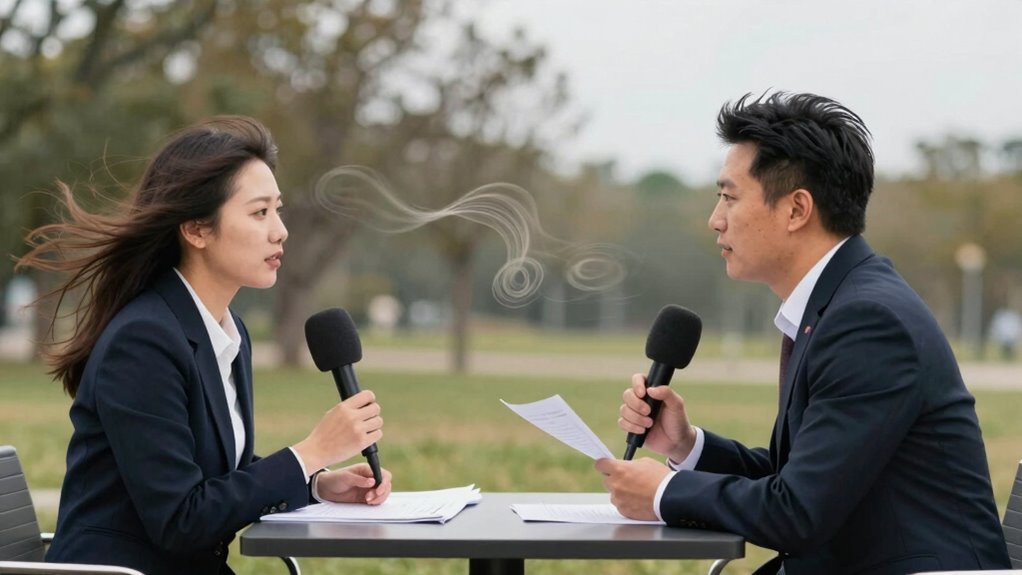

Wind noise can ruin your interviews by causing muffled audio, crackling sounds, and inconsistent levels. To beat it, use windproof microphones like shotgun or hypercardioid types, add windshields or furry covers, and position your mic behind natural barriers. Keep the mic close and angled away from wind, and consider affordable DIY solutions if you’re on a budget. For best results, learn how professional gear and techniques can help—keep going for more tips.
Key Takeaways
- Use windproof microphones like shotgun or hypercardioid models with built-in or external windshields to reduce wind interference.
- Position microphones close to the interviewee’s mouth and behind natural barriers to minimize wind exposure.
- Apply affordable wind protection solutions such as foam or fur windscreens, or DIY covers, during outdoor shoots.
- Watch for visual and audio cues of wind, and adjust microphone placement or choose sheltered locations accordingly.
- During editing, utilize noise reduction tools and filters to further clean up residual wind noise for clearer audio.

Movo VXR10 Universal Shotgun Mic for Camera
- Universal device compatibility: Works with smartphones, cameras, and laptops
- Durable, travel-ready design: Solid aluminum body with shock-absorbing mount
- Professional-quality audio: Clear sound for vlogging and social media
As an affiliate, we earn on qualifying purchases.
As an affiliate, we earn on qualifying purchases.
What Makes Wind Noise Ruin Your Outdoor Interviews?
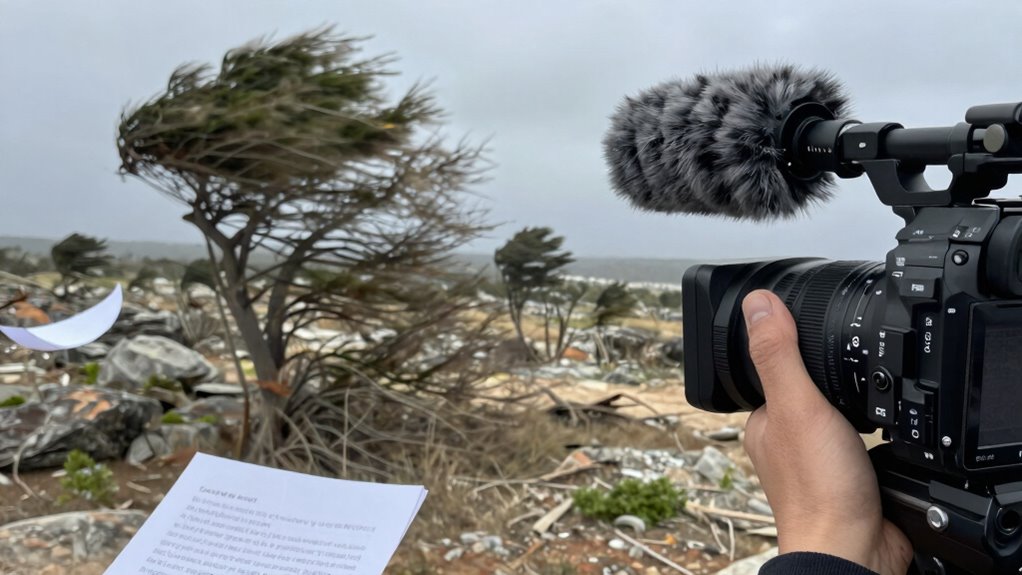
Have you ever noticed how wind can turn a clear outdoor interview into a muffled, hard-to-understand mess? That’s because wind creates unpredictable interference with your microphone, especially when gusts pick up suddenly. Wind tunnels—areas where wind flows rapidly and turbulently—exacerbate this problem, making it even harder to capture clean sound. Even if you check the weather forecast for calm conditions, gusts can still surprise you, causing unpredictable wind noise. This noise distorts voices, making it difficult for viewers to hear and understand your interview. It’s not just about the strength of the wind but also how it moves around your equipment. Understanding these factors helps you anticipate and mitigate wind interference, ensuring clearer audio during your outdoor shoots. Incorporating soundproofing techniques can further reduce the impact of wind noise on your recordings. Recognizing environmental factors such as surrounding obstacles and terrain can also help you choose better locations to minimize wind effects, especially considering how weather conditions can change unexpectedly and influence sound quality. Additionally, choosing appropriate microphone placement can significantly decrease wind noise pickup, leading to better audio clarity. Being aware of equipment positioning can help you optimize your setup for quieter recordings despite windy conditions.
How Can You Spot Wind Interference During Your Shoot?
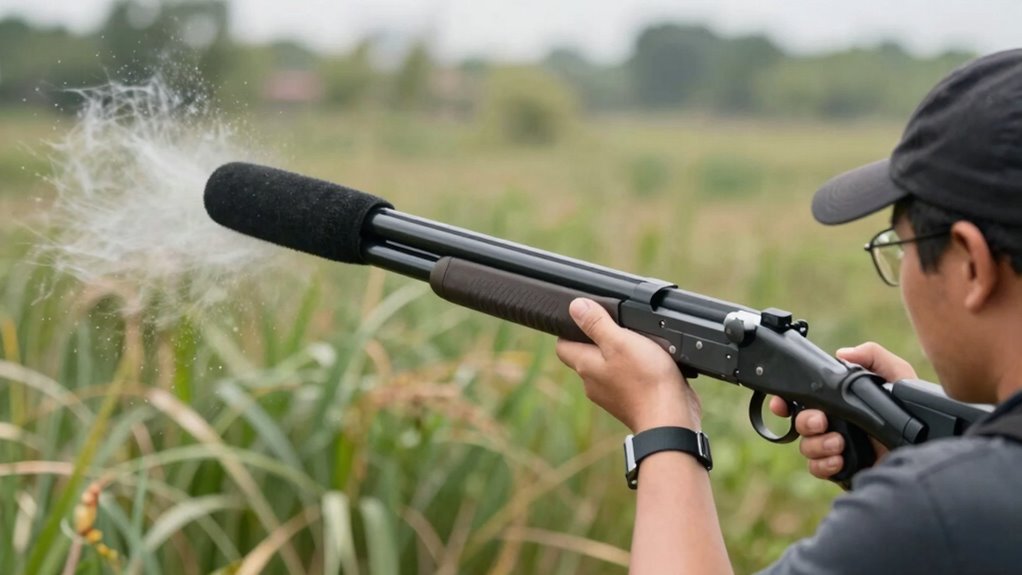
During your shoot, keep an ear out for unusual audio distortions that don’t match the scene. Watch for visual signs like moving foliage or flags that indicate wind, even if it doesn’t seem strong. Also, pay attention to inconsistent sound levels, which often signal wind interference affecting your audio. Incorporating digital frames and interactive murals can help you monitor audio quality in real-time on set. Additionally, recognizing the effects of wind on microphone pickup patterns can further aid in identifying interference early. Being aware of the potential for equipment failure caused by wind-related issues can help you take preventive measures before filming. Using specialized windshields and mufflers on microphones can significantly reduce wind noise and improve audio clarity. Understanding how microphone technology interacts with environmental factors can also guide you in choosing the best equipment for windy conditions.
Unusual Audio Distortions Detected
Wind interference often produces unusual audio distortions that can be tricky to recognize in real time. These distortions may not be obvious at first but can severely impact your audio quality. To spot wind interference during your shoot, pay attention to these signs:
- Sudden, inconsistent crackling or buzzing sounds that don’t match your environment.
- Interference patterns that create a fluctuating or warbling effect in the audio.
- Unexpected volume drops or spikes without any change in your microphone positioning.
- Unnatural, muffled sounds that differ from the normal voice clarity.
Visual Wind Indicators Noted
Spotting wind interference visually can save you from recording unusable audio. Look for visual indicators like fluttering clothing, moving hair, or rippling fabric, which suggest wind presence. Recognize wind patterns by observing how leaves, dust, or debris shift in the frame. These signs help you identify areas with strong or inconsistent wind flow, allowing you to reposition your shot or adjust your microphone placement promptly. Mastering wind pattern recognition is essential for timely intervention, preventing audio issues before they happen. Paying attention to environmental cues and wind behavior can help you anticipate changes in wind dynamics, enabling you to adapt quickly. Understanding aerodynamic effects can further improve your ability to predict wind interference during outdoor shoots. Additionally, noting the impact of weather conditions can assist in planning shoot locations to minimize wind noise. Being aware of environmental factors like terrain and vegetation can also influence wind patterns and help you choose better shooting spots. By paying close attention to these visual cues, you can proactively diminish wind noise and ensure clearer, more professional audio during your interview.
Inconsistent Sound Levels
Visual cues can reveal a lot about wind conditions, but sometimes the interference isn’t visually obvious. When sound levels fluctuate unexpectedly, it’s a sign wind interference may be occurring. To spot this during your shoot, consider these key indicators:
- Sudden volume spikes or drops that don’t match your subject’s voice.
- Inconsistent sound quality, with moments of clarity interrupted by muffled or distorted audio.
- Discrepancies in sound calibration measurements, especially if they vary between takes.
- Changes in ambient noise that seem out of place, hinting at a wind tunnel effect near your microphone.
- Understanding sound symbolism can help you interpret subtle audio cues that indicate wind interference. Recognizing acoustic cues is essential for diagnosing and addressing wind-related audio issues effectively.
Pay close attention to these signs; they often reveal wind interference that isn’t visually apparent. Adjust your setup accordingly to keep your audio clear and consistent.
Which Microphones Are Best for Windy Conditions?
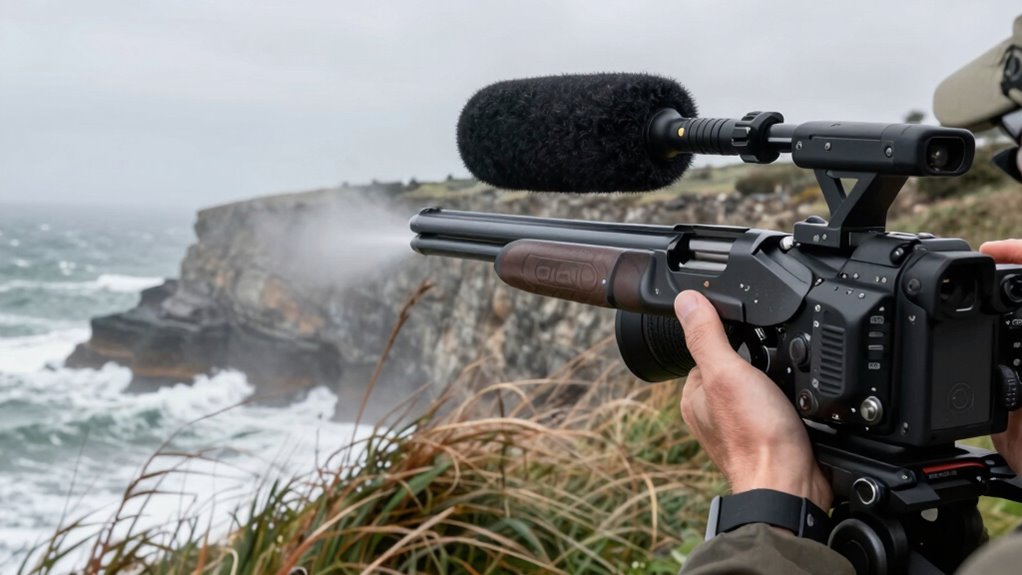
When recording interviews outdoors, choosing the right microphone is essential to minimize wind noise. Windproof capsules are a must, as they reduce wind vibrations before they reach the microphone’s sensitive elements. Shotgun microphones are excellent choices because their long, directional design helps focus on your subject while rejecting ambient noise, including wind. Look for models with built-in windshields or those compatible with external wind covers. These features profoundly cut down wind noise without sacrificing audio clarity. Avoid using standard microphones in windy conditions, as they lack the directional focus and wind protection needed. By selecting microphones with windproof capsules and directional features, you’ll improve your audio quality and reduce wind noise interference during outdoor interviews. Additionally, using appropriate accessories like windshields or dead cats can significantly enhance sound clarity in gusty environments. Investing in a high-quality microphone designed for outdoor use can make a noticeable difference in your recording results. Moreover, understanding the impact of wind noise on audio recordings can help guide your equipment choices and recording techniques. Being aware of microphone design features that combat wind noise can further optimize your outdoor audio recordings. Recognizing the importance of proper microphone placement can also greatly reduce unwanted wind sounds and improve overall audio clarity.
How Do Windshields and Covers Block Wind Noise Effectively?

Choosing the right windshield or cover depends on the material and design, which directly impact how well it blocks wind noise. Proper installation guarantees the cover stays in place and maintains its effectiveness over time. Regular maintenance helps extend its lifespan and keeps noise reduction ideal. Additionally, selecting high-quality materials can improve durability and overall soundproofing performance.
Material Effectiveness and Types
Windshields and covers work by using specialized materials that absorb, deflect, or dissipate wind energy before it reaches your microphone. Their effectiveness depends on material durability and sound absorption qualities.
- Foam covers excel at sound absorption, reducing wind noise through porous materials that dampen vibrations.
- Fur and fluffy covers provide excellent material durability and trap air, minimizing wind intrusion.
- Rigid plastic shields deflect wind away from your mic, offering a sturdy, long-lasting barrier.
- Hybrid designs combine soft sound-absorbing layers with hard shells, optimizing both durability and noise reduction.
Choosing the right type depends on your environment and mic setup. Proper material selection guarantees you get effective wind noise suppression without sacrificing audio clarity.
Proper Installation Techniques
Proper installation of windshields and covers guarantees they effectively block wind noise from reaching your microphone. To achieve this, pay attention to windshield maintenance, ensuring it’s clean and free of cracks or damage that could reduce its effectiveness. When installing, position the windshield close to the mic, but avoid touching it, to minimize sound distortion. Correct microphone placement is vital—keep the mic shielded from direct wind flow while maintaining optimal audio pickup. Secure the windshield firmly to prevent gaps or shifting that allow wind to bypass the cover. Always double-check the fit before recording, as a poorly installed windshield can diminish its noise-reducing properties. Proper installation ensures maximum wind protection, giving you cleaner, clearer interview audio.
Maintenance and Longevity
To guarantee your windshield continues to effectively block wind noise, regular maintenance is essential. Proper equipment maintenance ensures the covers and windshields stay in top shape, prolonging their lifespan. Here are key steps:
- Inspect for tears or damage, replacing worn covers promptly.
- Clean surfaces regularly to prevent debris buildup that compromises effectiveness.
- Calibrate microphones periodically to maintain accurate sound capture and minimize wind interference.
- Store equipment properly when not in use to prevent deterioration.
Consistent upkeep not only maintains wind noise reduction but also extends your gear’s longevity. By staying vigilant with maintenance and microphone calibration, you ensure your interviews stay clear and professional, even in challenging wind conditions.
What’s the Best Way to Position Your Microphone to Minimize Wind?
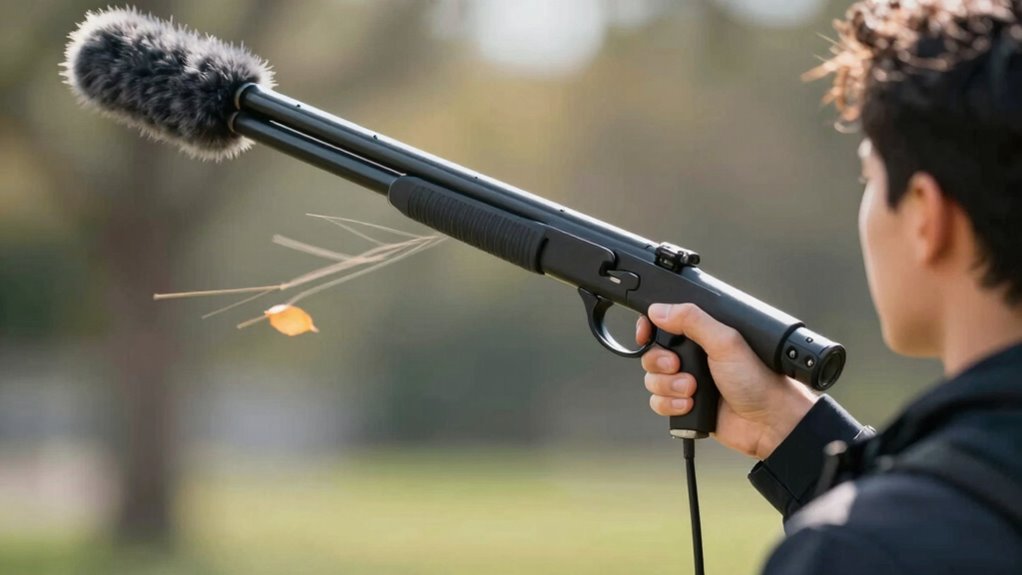
Positioning your microphone correctly is key to reducing wind noise during interviews. Proper microphone positioning guarantees wind reduction techniques are effective and your audio stays clear. Keep the microphone as close to your mouth as possible, ideally within a few inches, to minimize the impact of wind. Angle the mic slightly downward or away from the wind source to prevent direct airflow from hitting the capsule. Use a windscreen or dead cat cover as an additional barrier, but remember that positioning remains your first line of defense. Avoid pointing the microphone into open spaces where wind can hit directly. Experiment with different angles and heights to find the most suitable spot that captures your voice clearly while cutting down on wind noise.
How Can You Set Up a Wind-Resistant Outdoor Recording Environment?
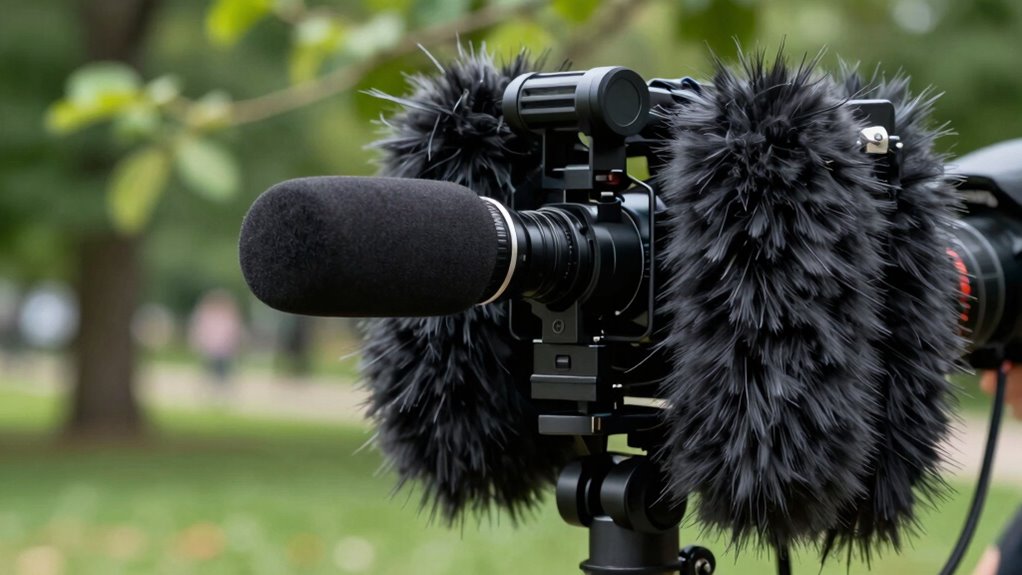
To set up a wind-resistant outdoor recording environment, start by choosing windproof microphones that can better block out noise. Use natural barriers like trees or buildings to shield your equipment from gusts, and position your gear carefully to minimize exposure. These steps help create a clearer, more professional sound despite the outdoor conditions.
Choose Windproof Microphones
Choosing the right windproof microphone is essential for capturing clear outdoor audio. Your microphone selection should prioritize models with effective windproof technology to reduce noise. Here are key tips:
- Opt for microphones with built-in windshields or foam covers designed to block wind noise.
- Look for models that feature advanced windproof technology for maximum noise reduction.
- Prioritize shotgun or hypercardioid microphones that focus on the sound source and minimize ambient noise.
- Test different microphones in your outdoor environment to ensure they handle wind effectively.
Utilize Natural Barriers
Natural barriers can considerably reduce wind noise during outdoor recordings, making your audio clearer and more professional. Using natural barriers like trees, bushes, or rocks provides environmental shielding that blocks or dampens wind before it reaches your microphone. Position yourself close to these features to maximize their protective effect. For example, standing behind a dense shrub or next to a large boulder creates a barrier that minimizes wind intrusion. Avoid open areas where wind can freely blow across. By thoughtfully leveraging natural elements, you can markedly decrease unwanted noise, saving you from relying solely on equipment-based solutions. Remember, the more environmental shielding you incorporate, the better your chances of capturing clean, wind-free audio during outdoor interviews.
Position Equipment Carefully
Positioning your equipment correctly can make a significant difference in minimizing wind noise during outdoor recordings. Proper microphone placement and equipment positioning help shield your gear from gusts and turbulence.
- Place the microphone close to the subject to reduce the pickup of wind noise.
- Position the mic slightly behind natural windbreaks like bushes or rocks to block gusts.
- Keep the microphone angled away from the wind, using the grille as a wind shield.
- Elevate equipment slightly off the ground to avoid ground-level turbulence and dust.
What Post-Processing Techniques Remove Wind Noise?
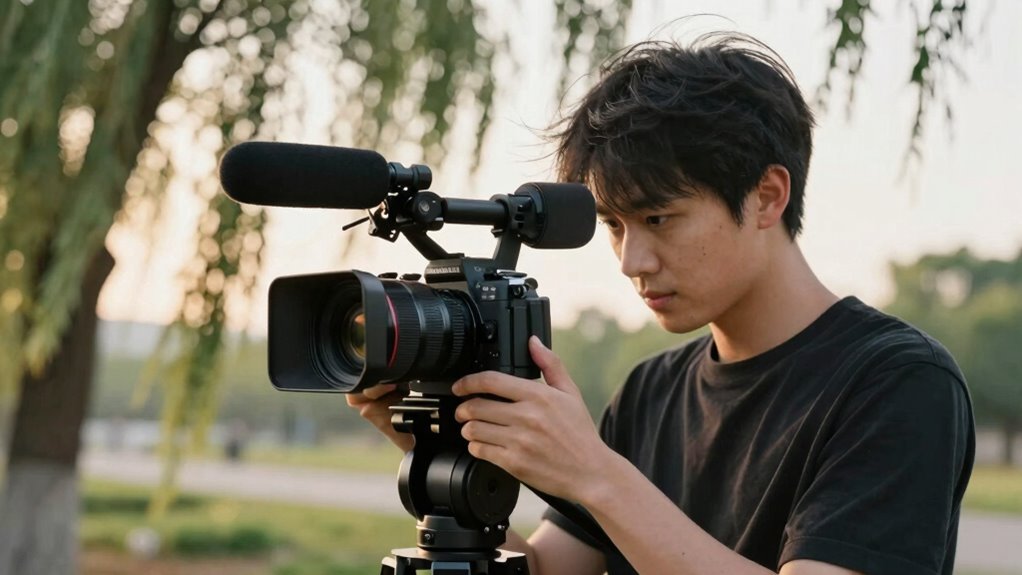
When wind noise contaminates your recordings, applying post-processing techniques can substantially improve audio clarity. Digital filters are your first line of defense—they can target and reduce specific frequencies associated with wind rumble. Noise reduction tools analyze the audio to identify unwanted sounds and suppress them without sacrificing too much voice quality. Software like Adobe Audition or iZotope RX offers dedicated modules for wind noise removal, allowing you to fine-tune settings for ideal results. It’s crucial to start with gentle adjustments to avoid distorting your voice. Combining spectral editing and noise reduction processes can help eliminate residual wind noise, making your interviews clearer and more professional. Remember, the key is subtlety—overprocessing can degrade audio quality.
What Affordable Gear Helps Beat Wind Noise on a Budget?
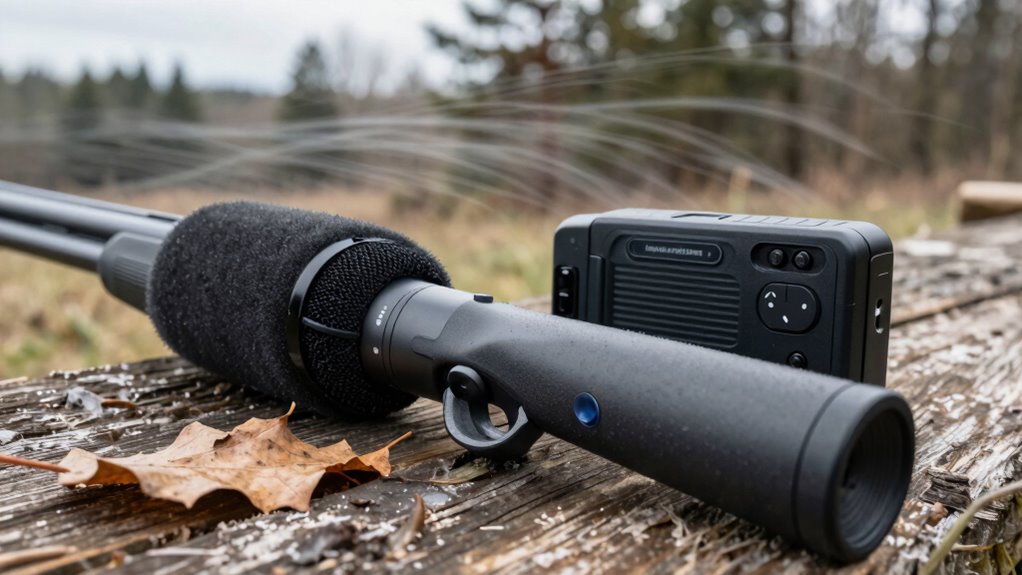
If you’re looking to minimize wind noise without emptying your wallet, there’s plenty of affordable gear that can make a noticeable difference. First, choose budget-friendly microphones that include built-in wind protection or are compatible with affordable windshields. Second, invest in inexpensive foam windscreens—they’re simple but effective at reducing wind intrusion. Third, consider DIY solutions like wrapped foam or fleece covers for your mic. Fourth, opt for affordable windshields designed for your microphone type, which can considerably cut down wind noise during outdoor shoots. These options won’t break the bank but can greatly improve audio quality. Combining budget-friendly microphones with affordable windshields gives you a practical, cost-effective way to beat wind noise and produce professional-sounding interviews.
When Should You Invest in Professional Wind-Protection Equipment?
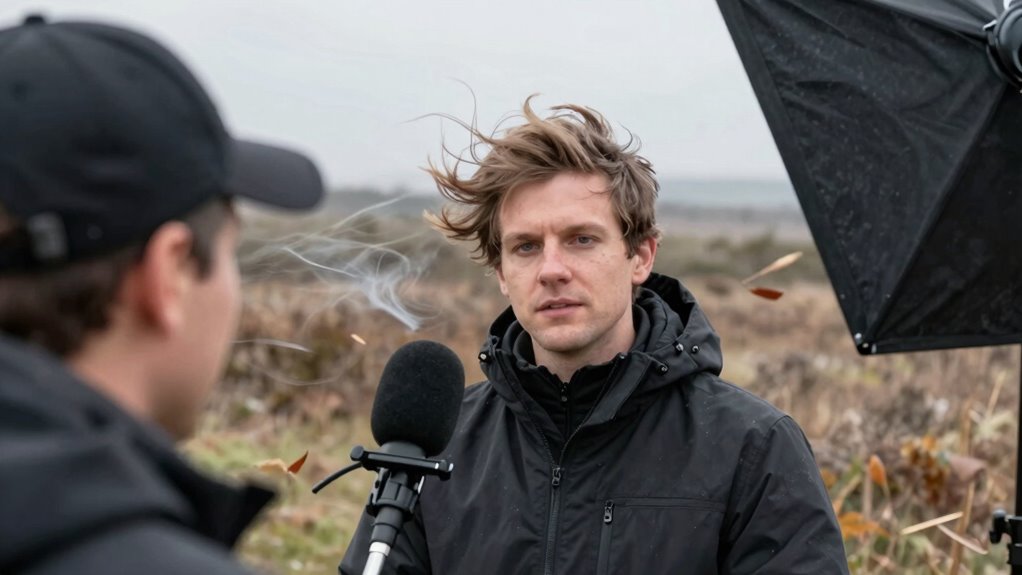
Investing in professional wind-protection equipment becomes vital when you frequently shoot outdoors in gusty or unpredictable weather. If wind consistently compromises your audio clarity, it’s time to upgrade. Proper microphone placement is essential, but even the best positioning won’t help if wind noise persists. Consider investing when you notice muffled voices or distracting rustling in your recordings. Visualize this:
| Calm Day | Windy Day |
|---|---|
| Clear, crisp audio | Blown-out, muffled sound |
| No wind interference | Wind noise dominates |
| Easy microphone placement | Challenging positioning |
| Minimal editing needed | Extensive cleanup required |
When wind becomes a regular obstacle, professional wind-protection gear ensures your sound stays crisp and intelligible, safeguarding your interview quality.
Final Tips for Achieving Crisp, Wind-Free Interview Audio

Achieving crisp, wind-free interview audio requires a combination of proper equipment, strategic placement, and diligent editing. Start with your interview preparation by choosing the right microphone—preferably a shotgun or lavalier mic designed to reject wind noise. Next, consider microphone selection carefully; a directional mic minimizes side noise and wind interference. Then, position your mic close to the interviewee’s mouth, reducing the chance of wind intrusion. Finally, during editing, apply noise reduction tools selectively to clean up residual wind sounds without sacrificing audio quality. These steps ensure your recordings remain clear and professional. By focusing on interview preparation, selecting the best microphone, proper placement, and thoughtful editing, you can considerably improve your wind-free audio quality and deliver crisp, engaging interviews every time.
Frequently Asked Questions
Can Wind Noise Damage My Microphone Permanently?
Wind noise won’t cause permanent microphone damage, but it can affect your audio quality. Continuous exposure to strong wind can strain your microphone’s components, especially if it’s not designed for outdoor use, potentially leading to damage over time. To prevent this, use windshields or dead cats for wind noise prevention. Regularly check your equipment and avoid exposing your microphone to harsh weather conditions to prolong its lifespan.
Are There Specific Settings to Reduce Wind Noise on Cameras?
Think of your camera as a sailboat charting noisy waters. To steer through wind noise, you should explore windshield options like furry or foam covers, which act as shields. Additionally, adjust camera settings such as increasing wind reduction filters or lowering sensitivity. These tweaks help block unwanted sound, ensuring your interviews stay clear and professional, even when gusts threaten to drown out your voice.
How Does Weather Change Affect Wind Noise During Recordings?
Weather changes, like urban interference and temperature fluctuations, can profoundly impact wind noise during recordings. When urban areas create turbulence, wind gets erratic, making it harder to capture clear audio. Temperature shifts can cause equipment to expand or contract, affecting microphone sensitivity. To counteract this, use windshields and position your mic carefully, especially during unpredictable weather, to minimize wind noise and guarantee professional-quality recordings.
What Are the Signs of Ineffective Wind Protection Gear?
You’ll notice ineffective wind protection gear when equipment failure occurs, like the wind muffling audio or causing distortion. User discomfort is another sign, as poorly designed gear can be bulky or scratchy, leading to constant adjustments and distractions. If your recordings still pick up wind noise despite using gear, it’s a clear sign that your equipment isn’t working properly or isn’t suited for the conditions.
Is It Possible to Fix Severe Wind Noise in Post-Production?
Think of fixing severe wind noise in post-production as trying to silence a roaring storm in a quiet room. Yes, you can improve sound quality with editing, but it’s not a magic fix. Post-production editing with wind noise reduction tools can minimize the noise, but it often leaves residual artifacts. To truly guarantee clear audio, invest in good wind protection gear from the start, rather than relying solely on post-production editing.
Conclusion
Don’t let wind noise sabotage your interviews. With the right gear, smart positioning, and post-processing techniques, you can capture clear, professional sound even on gusty days. Are you ready to turn those noisy outdoor scenes into crisp, wind-free recordings that impress your audience? Remember, a little preparation goes a long way—so gear up, stay alert, and let your voice shine through the storm. Your perfect interview audio is just a windbreak away.