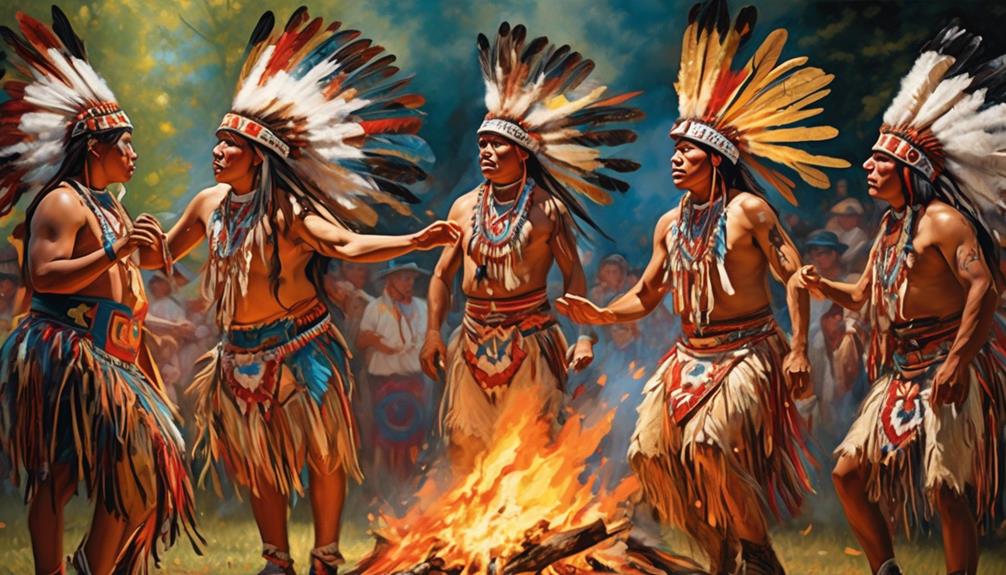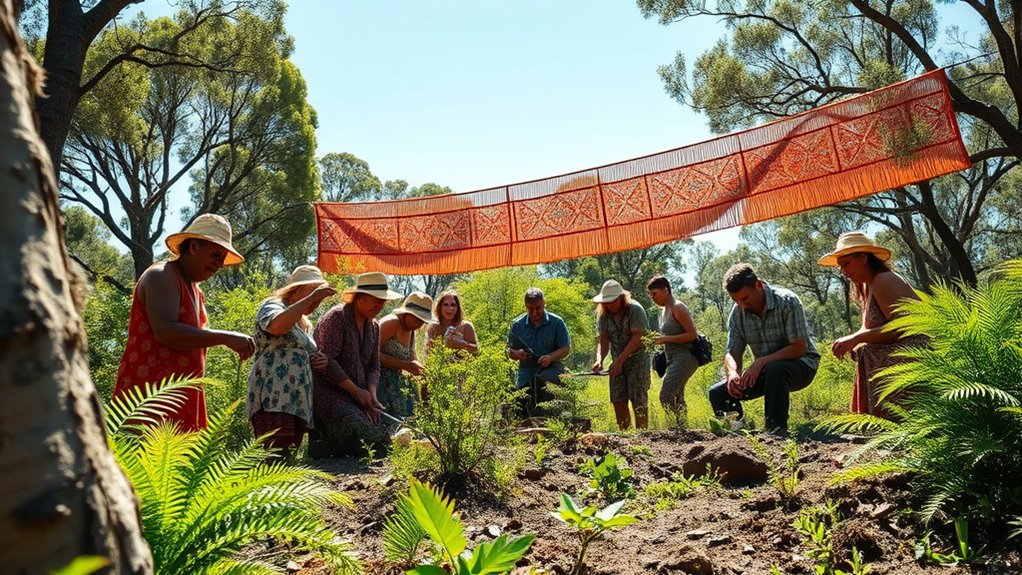

Caring for Country programs actively empower Indigenous communities by combining their ancient land knowledge with modern conservation efforts. You can support initiatives that protect biodiversity, restore ecosystems, and promote sustainable practices like controlled burning and sacred site preservation. These programs strengthen cultural identity and environmental resilience, ensuring future generations benefit from traditional stewardship. By understanding and backing these efforts, you’ll see how Indigenous leadership plays a essential role in shaping sustainable land management—there’s more to discover ahead.

Prime made for students and young adults
- Fast, free delivery for dorm and study essentials
- Prime Video and Amazon Music included
- Member-only deals
Key Takeaways
- Caring for Country programs enable Indigenous communities to actively participate in land and water conservation, fostering cultural pride and environmental stewardship.
- These programs integrate traditional land management practices, such as controlled burning and sustainable hunting, with modern conservation techniques.
- Indigenous leadership in Caring for Country initiatives strengthens cultural identity and promotes community-led environmental decision-making.
- Supporting these programs enhances biodiversity, prevents land degradation, and restores ecosystems impacted by development or climate change.
- Empowering communities through land stewardship encourages sustainable practices, ensuring cultural and environmental heritage for future generations.
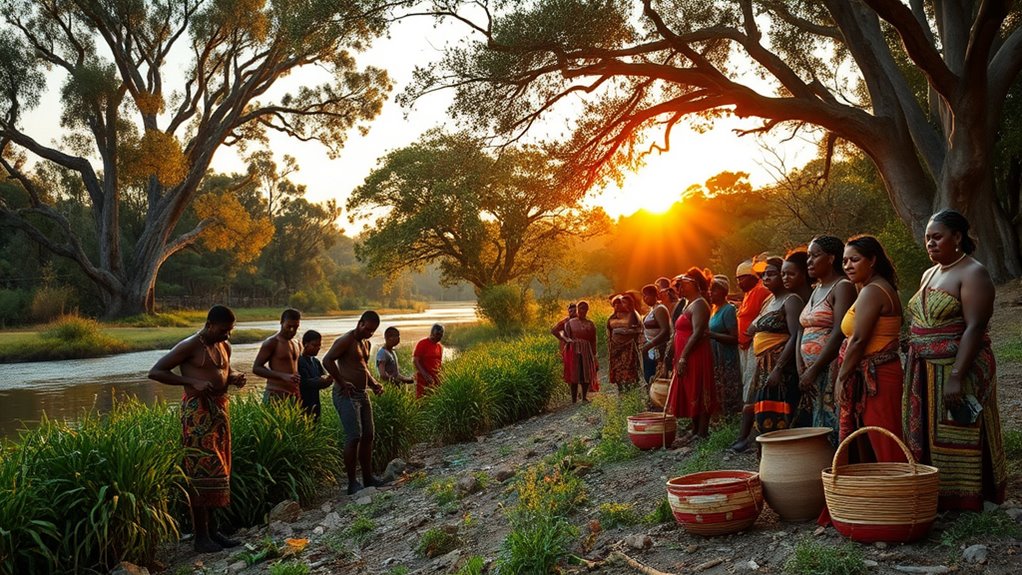
Have you ever wondered how Indigenous communities actively protect and preserve their land? It’s often through the deep, lived experience of indigenous knowledge—an intricate understanding of the land, waters, and ecosystems that has been passed down through generations. This knowledge forms the backbone of many caring for country programs, which aim to empower communities to take an active role in environmental conservation. When you engage with these initiatives, you’re witnessing a way of life that emphasizes harmony with nature, recognizing that the health of the land directly impacts the health of the people.
Indigenous knowledge isn’t just about cultural practices; it’s a sophisticated system rooted in centuries of observing, understanding, and adapting to local environments. It includes detailed insights into seasonal changes, plant and animal behaviors, and sustainable land management techniques. Through this knowledge, Indigenous communities develop strategies to protect biodiversity, prevent land degradation, and restore ecosystems that have been damaged by modern development or climate change. When communities lead conservation efforts, they’re not only safeguarding their land but also strengthening their cultural identity and sovereignty.
Many caring for country programs incorporate traditional practices with contemporary conservation methods, creating a powerful synergy. This approach respects and values Indigenous knowledge, recognizing it as essential to effective environmental stewardship. For you, participating or supporting these programs means standing alongside communities that have a profound connection to their land. It’s about understanding that environmental conservation isn’t just about protecting nature in isolation; it’s about nurturing the relationship between people and the land they call home.
These programs often involve activities like controlled burning to prevent larger wildfires, sustainable hunting practices, and the protection of sacred sites. Such actions are rooted in Indigenous understanding of the land’s natural cycles, demonstrating that traditional wisdom can be a crucial tool in addressing modern environmental challenges. When you see these practices in action, you realize that caring for country is a proactive, community-led effort that combines ancient knowledge with modern conservation science.
Supporting caring for country programs means recognizing the importance of Indigenous leadership in environmental decision-making. It involves valuing indigenous knowledge as an essential resource for environmental conservation and climate resilience. By doing so, you help empower communities to continue their land stewardship, ensuring that their cultural and environmental heritage remains strong for future generations. It’s a way of fostering respect, sustainability, and resilience—building a future where Indigenous communities are at the forefront of caring for the land they hold dear. Additionally, appreciating the role of traditional land management techniques can enhance modern conservation strategies and promote sustainable practices.
indigenous land management tools
As an affiliate, we earn on qualifying purchases.
As an affiliate, we earn on qualifying purchases.
Frequently Asked Questions
How Do Programs Measure Community Impact Over Time?
You measure community impact over time through long-term evaluation, tracking changes in land health, biodiversity, and community wellbeing. You gather community feedback regularly to understand their perspectives and experiences. By combining quantitative data with personal stories, you can see how programs foster lasting positive effects. This ongoing assessment helps you adapt strategies, guarantee accountability, and demonstrate the true value of land stewardship efforts to the community.
What Funding Sources Support Caring for Country Initiatives?
You tap into a mix of funding sources like government grants and private sponsorships to support caring for country initiatives. Imagine government grants as streams flowing steadily, nourishing the land, while private sponsorships are like vibrant roots, strengthening community efforts. These combined resources enable you to implement sustainable projects, protect sacred sites, and empower local communities to steward their land for generations to come.
How Are Indigenous Knowledge and Traditions Integrated?
You incorporate indigenous knowledge and traditions by actively involving local communities in land management, ensuring cultural preservation and honoring traditional practices. You listen to elders’ insights, integrating their wisdom into conservation efforts. You also support cultural activities and education that reinforce traditional practices. This approach helps sustain indigenous heritage while promoting effective land stewardship, fostering a deep connection between communities and their environment.
What Challenges Face Community-Led Land Stewardship?
Imagine steering a maze where every turn challenges your cultural preservation and biodiversity conservation efforts. You face obstacles like limited funding, bureaucratic hurdles, and loss of traditional knowledge. These challenges threaten your ability to sustain land stewardship initiatives, risking cultural erosion and ecological decline. Despite these hurdles, your resilience is vital, as maintaining community-led land stewardship ensures the vibrant preservation of your heritage and environment for future generations.
How Can Outsiders Support Caring for Country Efforts?
You can support caring for country efforts by respecting cultural preservation and actively engaging in environmental advocacy. Offer resources and expertise that complement community-led initiatives without overshadowing local knowledge. Listen to community leaders, promote awareness of land stewardship importance, and support policies that protect Indigenous rights. Your involvement should empower communities, ensuring their cultural and environmental goals are prioritized and sustained for future generations.
Conclusion
By actively participating in Caring for Country programs, you help preserve Indigenous lands and culture. These initiatives have shown that Indigenous-led land management can increase biodiversity by up to 30%. When you support these efforts, you’re not just protecting the environment—you’re empowering communities and ensuring that traditional knowledge thrives for generations to come. Together, your involvement makes a real difference in caring for our shared land and future.
Fall Picks
fall essentials
As an affiliate, we earn on qualifying purchases.