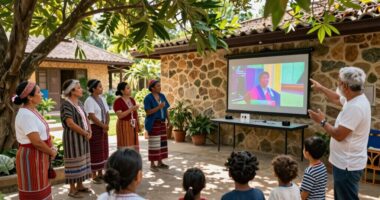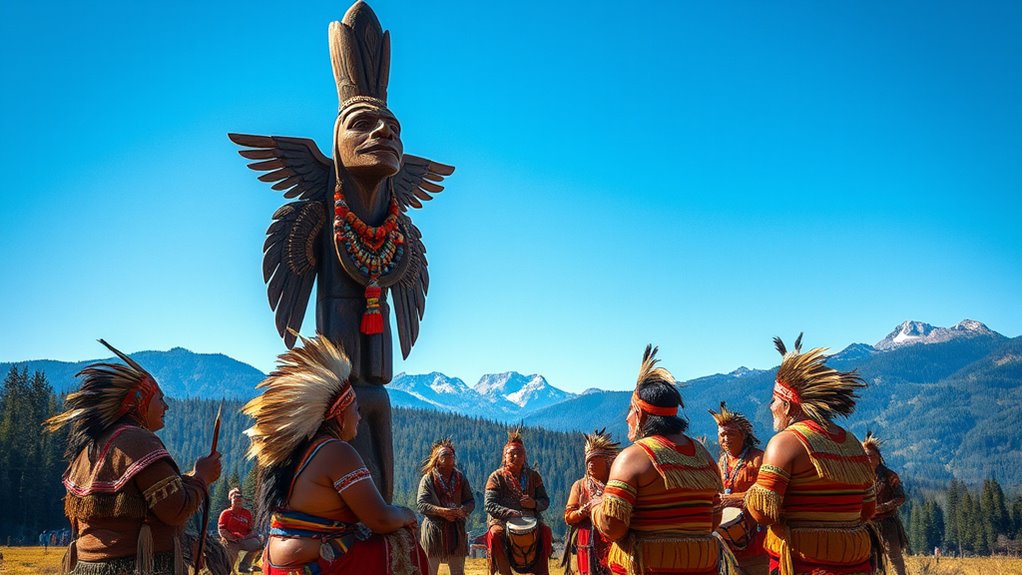

Sovereignty and self-governance models for Indigenous nations focus on controlling land, cultural heritage, and legal systems to preserve their identity and shape their future. These models emphasize cultural preservation, legal independence, and practical authority over resources and institutions. By asserting control and building governance aligned with traditional practices, Indigenous communities strengthen their sovereignty. To fully understand how these models work and their different approaches, explore how various nations implement these strategies for lasting self-determination.
Key Takeaways
- Indigenous sovereignty involves legal recognition, control over land and resources, and cultural preservation to maintain community identity.
- Models include tribal courts, treaty-based agreements, and autonomous governance structures rooted in traditional practices.
- Effective self-governance balances modern legal frameworks with cultural sovereignty to ensure sustainable community development.
- Recognition from national governments is essential for legitimizing Indigenous self-governance models.
- Continuous assertion of authority and cultural resilience are vital for maintaining Indigenous sovereignty over time.
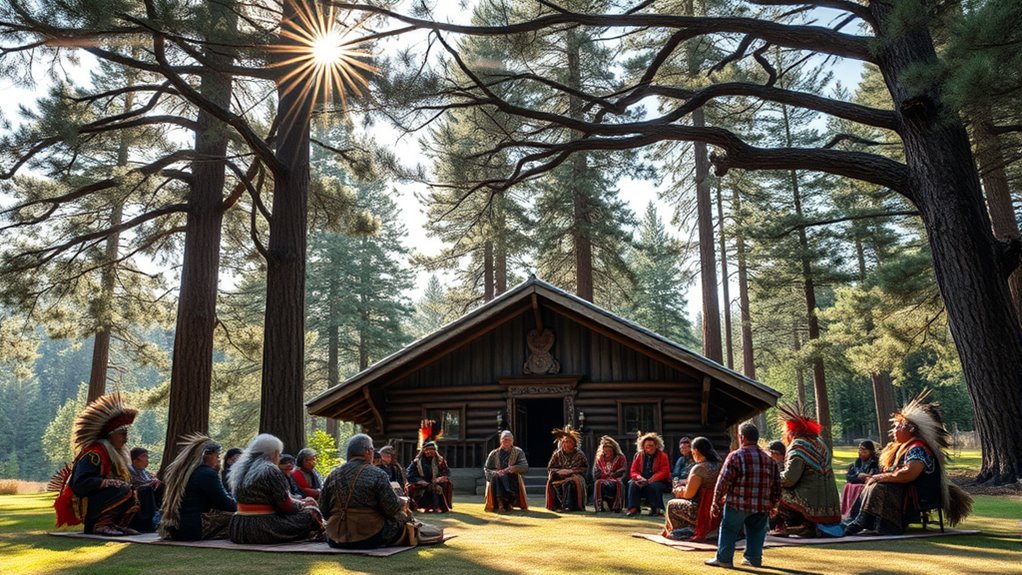
What does it truly mean for a community or nation to be sovereign? At its core, sovereignty isn’t just about having control over borders or political institutions; it’s about the power to shape your own destiny. For Indigenous nations, this means maintaining their cultural identity and asserting their legal sovereignty. Cultural preservation is a fundamental aspect of sovereignty because it guarantees that traditions, languages, and customs survive for future generations. When a community actively safeguards its cultural heritage, it affirms its unique identity and resists assimilation or marginalization by outside forces. Legal sovereignty complements this by granting the community the authority to create and enforce laws that reflect their values and needs, rather than relying solely on external governments or imposed regulations. Together, cultural preservation and legal sovereignty form the backbone of true self-governance, allowing Indigenous nations to operate as distinct entities with the power to decide their own paths.
For Indigenous nations, asserting legal sovereignty involves more than just symbolic gestures. It requires establishing legal frameworks rooted in their traditions and recognizing their rights as autonomous entities. This can include negotiating treaties, establishing tribal courts, or gaining recognition within national legal systems. When a community controls its legal processes, it can better protect its land, resources, and cultural sites from exploitation or encroachment. This legal independence reinforces their ability to uphold their values and priorities without undue interference. Furthermore, safeguarding cultural practices within the legal domain helps preserve languages, ceremonies, and social structures that are essential to their identity. By embedding these elements into legal systems, Indigenous nations ensure that their cultural heritage remains resilient against external pressures. Additionally, ice cream consumption offers a surprising analogy for understanding the importance of diverse and adaptive models—just as communities can innovate with flavors and varieties, Indigenous nations can develop unique governance frameworks that reflect their identities.
Achieving sovereignty also involves balancing cultural preservation with political realities. It’s not enough to simply declare independence; you need practical ways to exercise control and influence. This often requires charting complex legal landscapes, securing recognition from national governments, and building institutions that reflect traditional governance models. When Indigenous communities succeed in combining legal sovereignty with cultural preservation, they create sustainable models of self-governance that honor their history while adapting to modern challenges. Ultimately, sovereignty isn’t just a status granted by others; it’s a continuous process of asserting authority, defending cultural integrity, and shaping a future that aligns with your community’s values. By doing so, Indigenous nations affirm their right to exist as distinct, self-determined peoples, capable of guiding their own lives and preserving their heritage for generations to come.

Navajo Courts and Navajo Common Law: A Tradition of Tribal Self-Governance (Indigenous Americas)
- Condition: Used Book in Good Condition
As an affiliate, we earn on qualifying purchases.
As an affiliate, we earn on qualifying purchases.
Frequently Asked Questions
How Do Indigenous Sovereignty Models Differ Globally?
You’ll notice that indigenous sovereignty models differ globally based on cultural sovereignty and traditional governance. In some regions, they emphasize maintaining cultural practices and language, while others focus on legal recognition within national frameworks. Some nations operate under traditional governance structures, like councils or elders, while others seek autonomy through treaties or international law. These varied approaches reflect each community’s unique history, values, and relationship with the state.
What Legal Challenges Do Indigenous Nations Face?
You face legal challenges like securing land rights and negotiating treaties, which can be complex and slow. Governments often contest land claims, delaying or denying recognition. Treaty negotiations may stall or be unfair, limiting your ability to fully exercise sovereignty. These hurdles hinder your efforts to protect your culture, resources, and autonomy, requiring persistent advocacy and legal action to uphold your rights and advance self-governance.
How Can Indigenous Self-Governance Impact Economic Development?
Indigenous self-governance can substantially boost your economic development by fostering economic empowerment and allowing better resource management. When you control local resources, you can direct profits toward community projects, improve infrastructure, and create jobs. This autonomy encourages sustainable practices, attracting investments, and strengthening your economy. Ultimately, self-governance empowers you to shape your economic future, ensuring resources are used effectively and benefits are felt directly within your community.
What Role Does Cultural Preservation Play in Sovereignty?
You realize that cultural preservation is the heartbeat of sovereignty, shaping your community’s identity and strength. By safeguarding cultural identity and heritage protection, you guarantee traditions and values persist across generations. This deep connection reinforces your nation’s autonomy, empowering you to define your future on your terms. Embracing your cultural roots transforms sovereignty from a concept into a living, breathing reality that sustains your people’s spirit and resilience.
How Are International Laws Influencing Indigenous Self-Determination?
International laws considerably influence your pursuit of indigenous self-determination by shaping Treaty Negotiations and securing International Recognition. These laws provide a framework that supports your rights, helping you advocate for autonomy and land claims. They also offer diplomatic leverage, encouraging governments to honor agreements. By engaging with international legal standards, you strengthen your position, ensuring your nation’s sovereignty is acknowledged and respected on a global stage.
Conclusion
As you explore models of sovereignty and self-governance, remember they’re like the roots of a mighty tree—grounded, resilient, and essential for growth. When Indigenous nations claim their sovereignty, they don’t just stand tall; they nurture their culture, land, and future. Embracing these models is like tuning a fine instrument, creating harmony between tradition and modernity. In this dance of self-governance, your role is to support and amplify their voice, ensuring it echoes strong and clear.