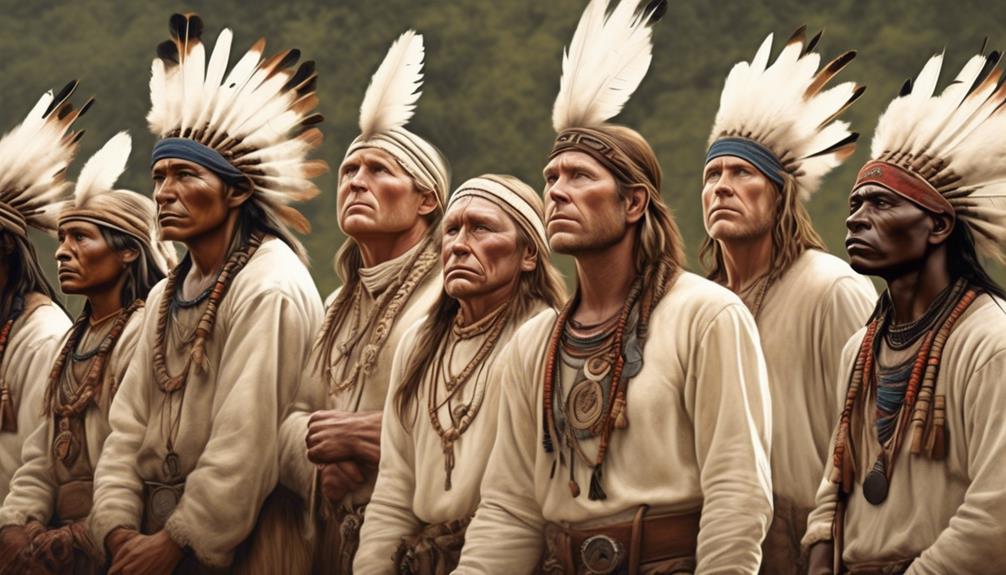
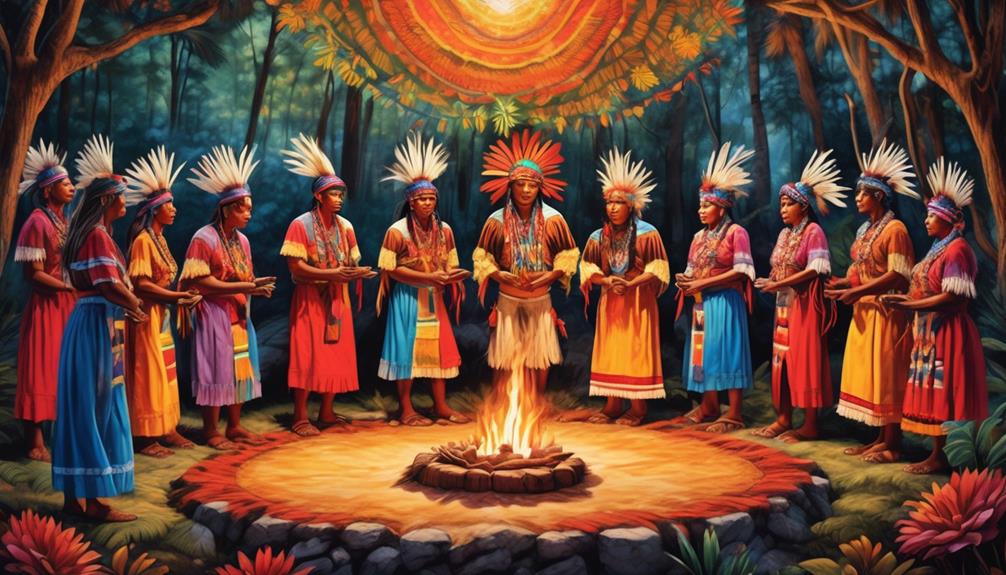
Understanding native title means recognizing how Indigenous peoples’ connection to land predates modern borders and laws. The landmark Mabo decision of 1992 challenged the idea that Australia was land without owners and acknowledged Indigenous rights. Since then, legal recognition of native title has grown, promoting respect for cultural ties and sovereignty. This ongoing journey involves battles, negotiations, and cultural preservation efforts. If you keep exploring, you’ll discover how these legal and cultural shifts continue shaping Indigenous land rights today.
Key Takeaways
- The Mabo decision of 1992 formally recognized Indigenous Australians’ pre-existing land rights, challenging the notion of terra nullius.
- Native title acknowledges Indigenous sovereignty and cultural ties, allowing communities to claim land based on traditional connection.
- Legislation such as the Native Title Act 1993 established a legal framework for Indigenous land claims and negotiations.
- Recognition of native title involves respecting cultural heritage, spiritual sites, and ongoing Indigenous relationships with land.
- Contemporary efforts focus on securing land rights, promoting reconciliation, and addressing ongoing injustices faced by Indigenous peoples.

Have you ever wondered who truly owns the land you walk on? It’s a question that touches on history, identity, and justice. For centuries, Indigenous peoples have maintained a deep connection to their land, rooted in traditions and sovereignty that predate modern borders. Yet, their rights to land haven’t always been recognized by governments or legal systems. This lack of recognition often meant their sovereignty was ignored or dismissed, leaving them marginalized and landless. Recognizing land rights isn’t just about ownership; it’s about acknowledging a nation’s history and respecting Indigenous peoples’ enduring relationship with their lands. In recent decades, the fight for land rights recognition has gained momentum, especially through landmark legal cases and policy changes. These efforts aim to rectify past injustices and affirm Indigenous sovereignty, allowing communities to reclaim control over their traditional territories.
The landmark Mabo decision in 1992 marked a turning point in Australian legal history, challenging the idea that Australia was terra nullius—land belonging to no one before colonization. The High Court recognized that Indigenous peoples had pre-existing rights and interests in their land, which could be legally recognized and protected. This case didn’t just acknowledge historical ties; it established a framework for Indigenous land rights recognition within the legal system. It shifted the conversation from mere land use to acknowledging Indigenous sovereignty, emphasizing that their connection to the land is fundamental and enduring. The ruling paved the way for subsequent land claims and native title legislation, giving Indigenous communities a legal avenue to assert their rights. Additionally, understanding the broader context of land rights involves awareness of how home security systems are sometimes used to protect these territories and cultural sites.
Today, Indigenous sovereignty continues to be central to ongoing land rights recognition efforts. It’s about more than just legal titles; it’s about respecting cultural heritage, spiritual connections, and traditional practices tied to the land. Recognizing native title is a essential step toward justice, but it also requires ongoing dialogue, respect, and cooperation between Indigenous peoples and governments. The legal battles and negotiations that follow are crucial in ensuring that Indigenous communities can exercise control over their lands and preserve their way of life. Native title isn’t just a legal concept; it’s a recognition of Indigenous peoples’ enduring sovereignty and their rightful place as custodians of their lands. As the movement progresses, it continues to challenge colonial legacies and foster a more equitable understanding of land ownership and cultural identity.
Frequently Asked Questions
How Does Native Title Differ From Land Ownership?
Native title differs from land ownership because it recognizes the cultural connection and ongoing spiritual relationship Indigenous peoples have with their land. While land ownership typically involves legal rights to possess and manage land, native title provides cultural recognition and the right to participate in land management. You’re acknowledging their traditional laws and customs, which remain essential to their identity, even if they don’t hold formal title under Western legal systems.
Can Native Title Coexist With Private Property Rights?
Yes, native title can coexist with private property rights. You’re likely to see this in areas where cultural preservation and land management are priorities. Native title recognizes Indigenous people’s ongoing connection to land, while private land ownership involves individual rights. In such cases, both can operate together through agreements or coexist within specific boundaries, ensuring respect for cultural ties while allowing private ownership to flourish.
What Are Recent Legal Developments in Native Title Cases?
Recent legal developments in native title cases show ongoing progress in recognizing Indigenous land rights. Courts have clarified the scope of native title and emphasized the importance of legal reform to better safeguard these rights. You’ll see more nuanced judgments that balance Indigenous interests with other land uses, reflecting a shift towards stronger recognition of Indigenous land rights. These changes aim to ensure native title is respected within Australia’s evolving legal landscape.
How Do Indigenous Communities Initiate Native Title Claims?
Imagine you’re part of an Indigenous community wanting to claim native title. You start by gathering evidence of your cultural protocols and traditional ceremonies that show continuous connection to the land. Then, you lodge an application with the Federal Court, demonstrating your traditional laws and customs. This process involves consulting community elders and documenting longstanding practices, ensuring your claim reflects your deep, ongoing relationship with the land.
What Challenges Do Indigenous Groups Face in Maintaining Native Title?
You face challenges in maintaining native title, especially when it comes to cultural preservation and land rights activism. Authorities might dispute your claims, or development projects could threaten your land. You also need to guarantee your cultural practices are recognized and respected, which requires ongoing activism. These obstacles can make it difficult to secure and sustain your native title, but persistent efforts help protect your land and cultural heritage for future generations.
Conclusion
As you reflect on the journey from Mabo to today, you see how native title gently weaves through Australia’s story, quietly shaping its identity. While challenges remain, the ongoing dialogue invites hope and understanding, softly guiding us toward reconciliation. Recognize that this path is a delicate dance—each step, a subtle acknowledgment of history and culture. Embrace the journey’s gentle unfolding, knowing that every gesture helps nurture a more inclusive and respectful future for all.