Traditional Aboriginal fire management uses controlled burns to reduce fuel buildup, preventing large, destructive bushfires. By timing fires carefully and creating mosaic landscapes, they maintain ecosystems and protect communities. This approach also supports biodiversity, land health, and cultural connections. Incorporating these time-tested practices helps save lives by decreasing fire risks. If you want to understand how these methods work together to create safer, healthier land, there’s more to discover.

Get school and study supplies delivered free — and shop member deals
- Fast, free delivery on millions of items
- Access to Prime Big Deal Days deals on October 6–7
- Prime Video, Amazon Music and more included
Key Takeaways
- Aboriginal traditional burning reduces fuel loads, decreasing the risk and severity of uncontrolled bushfires.
- Indigenous fire management techniques create mosaic landscapes that act as natural firebreaks, protecting communities and ecosystems.
- Incorporating Aboriginal knowledge into modern strategies enhances community safety and supports proactive fire risk reduction.
- Traditional burning practices help maintain biodiversity and ecosystem resilience, reducing the likelihood of destructive fires.
- Preserving Indigenous land management knowledge ensures culturally respectful, effective fire mitigation that saves lives and property.
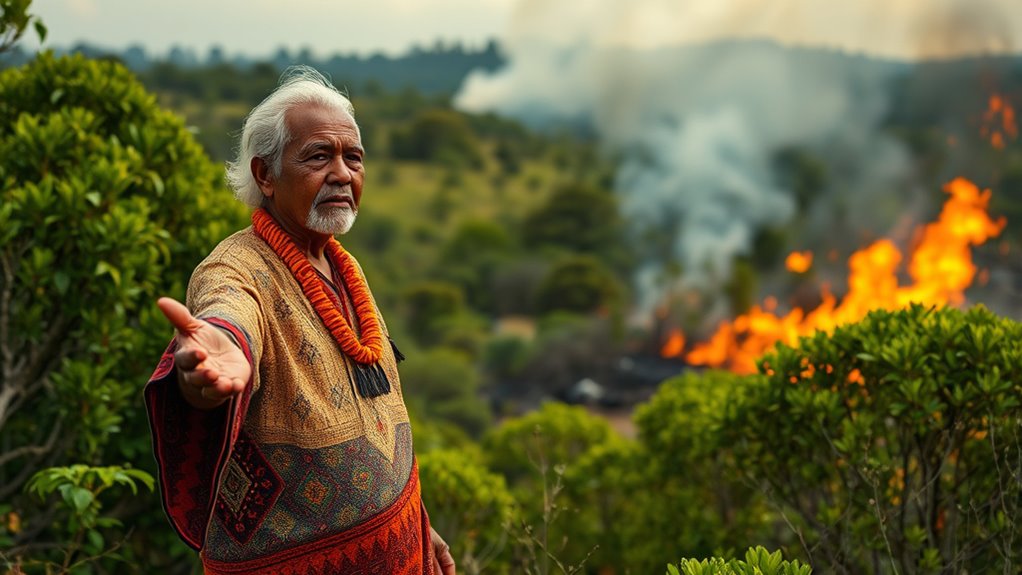
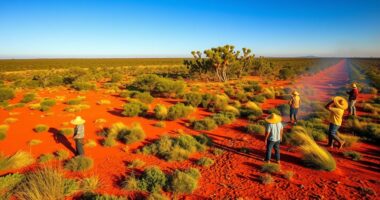
When it comes to managing bushfires, Indigenous Australians have long relied on traditional knowledge that can save lives and protect communities. One of their most effective tools is traditional burning, a practice rooted in a deep understanding of land stewardship. This method involves carefully planned, controlled fires set at specific times of the year to reduce fuel buildup and prevent larger, uncontrollable blazes. Unlike modern firefighting tactics that often focus on suppression after a fire starts, traditional burning proactively manages the landscape, creating a mosaic of burnt and unburnt areas that act as natural firebreaks.
Traditional burning reduces fuel, creates natural firebreaks, and proactively manages landscapes to prevent large-scale bushfires.
Through centuries of land stewardship, Indigenous Australians have developed an intuitive sense of when and where to burn. They recognize that timing and technique are crucial; burning during cooler months or at particular times of day minimizes the risk of escaping and ensures the fire consumes only certain fuels. These burns are often conducted in a patchwork pattern, which helps preserve biodiversity and encourages the growth of native plants. This approach not only reduces the intensity of future fires but also maintains the health of ecosystems, supporting both plant and animal life.
You might not realize that traditional burning also plays a vital role in community safety. When you incorporate these practices into modern land management, you help decrease the likelihood of destructive, large-scale bushfires that threaten lives and property. Indigenous knowledge emphasizes the importance of understanding the land’s natural rhythms and responding accordingly. It’s about working with nature, not against it, to create a balanced landscape that’s resilient to fire.
Land stewardship through traditional burning is also a cultural practice that sustains Indigenous communities’ spiritual and social connection to their land. This knowledge is passed down through generations, ensuring that future communities can benefit from these time-tested techniques. When you support the integration of traditional burning into contemporary bushfire management, you’re not just adopting a method; you’re respecting a centuries-old relationship with the land. This practice has proven to be a sustainable and effective way to reduce fire risk, protect biodiversity, and save lives. Additionally, Indigenous land management techniques often include controlled burning, which is supported by scientific research for its effectiveness.
controlled burn fire management tools
As an affiliate, we earn on qualifying purchases.
As an affiliate, we earn on qualifying purchases.
Frequently Asked Questions
How Do Aboriginal Fire Practices Differ From Modern Firefighting Methods?
You’ll notice Aboriginal fire practices differ from modern firefighting methods because they focus on traditional techniques that respect cultural significance and ecosystems. Instead of suppressing fires, they use controlled burns to reduce fuel and prevent larger wildfires. These practices involve careful timing and location, ensuring safety and environmental health. By incorporating traditional techniques, you help preserve cultural traditions while effectively managing fire risks and protecting communities.
What Specific Plants Are Used by Aboriginal Communities for Fire Management?
You’ll find that Aboriginal communities often use plants like wattles, grasses, and melaleuca for fire management, acting as natural fire indicators and plant-based fuels. These plants help signal ideal fire times and create controlled burns, reducing larger, uncontrolled fires. By understanding the natural cues from these plants, you can see how traditional practices beautifully integrate ecological knowledge, promoting safer, more sustainable fire management that respects the land and community.
How Has Climate Change Impacted Aboriginal Bushfire Strategies?
Climate change has challenged Aboriginal bushfire strategies by making fire seasons longer and more unpredictable. You need to adapt your practices through climate adaptation techniques that boost ecological resilience, helping ecosystems recover faster. By incorporating traditional knowledge alongside modern methods, you can effectively manage fire risks, protect communities, and maintain the health of the land. This proactive approach guarantees that Aboriginal strategies remain effective in a changing climate.
Are Aboriginal Fire Knowledge Practices Recognized Legally in Fire Management Policies?
Legal recognition of Aboriginal fire knowledge practices is growing, yet it’s still a patchwork quilt. You’ll find some policies actively integrating these practices, like weaving traditional burns into modern fire management. However, full legal acknowledgment remains elusive in many regions. Progress is happening, but you should advocate for broader policy integration to honor Indigenous expertise, ensuring their knowledge becomes a fundamental part of fire management strategies.
How Can Non-Indigenous Communities Collaborate With Aboriginal Groups on Fire Management?
You can collaborate effectively by engaging in community engagement initiatives and fostering knowledge exchange with Aboriginal groups. Attend local meetings, listen to their fire management practices, and respect their cultural perspectives. By building trust and sharing expertise, you create partnerships that enhance fire prevention and safety. This collaboration not only preserves traditional knowledge but also strengthens community resilience, leading to more effective and culturally respectful bushfire management strategies.
Conclusion
By embracing Aboriginal knowledge, you can better protect yourself and your community during bushfires. Their wisdom acts like a guiding star, lighting the way through danger. When you listen and learn from these traditions, you’re not just saving lives but also honoring ancient ways that have thrived for thousands of years. Together, modern science and Indigenous practices create a powerful shield—making bushfire seasons safer for everyone.
Halloween Picks
halloween
As an affiliate, we earn on qualifying purchases.